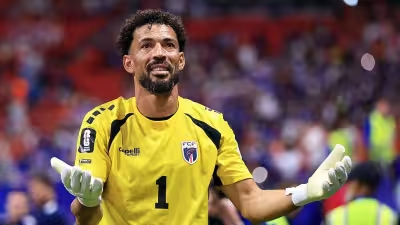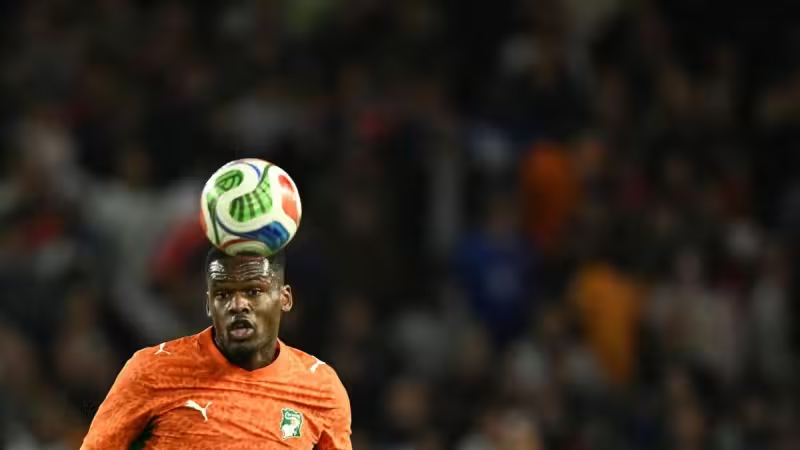
Ange-Yoann Bonny officially closed one door and opened another this month when FIFA approved his switch from France to Ivory Coast and he stepped onto the pitch in Paris on June 4, playing 23 minutes as Ivory Coast beat France 2-1.
Bonny, 22, has worn the French shirt at Under-19, Under-20 and Under-21 levels and made 19 appearances in the youth set-up before opting for his parents’ nation. The change came this spring; his debut for Ivory Coast arrived in a high-profile meeting with the country he once represented.

The raw totals underline what Ivory Coast have acquired: 19 youth caps, a trajectory through France’s age groups that began with Under-19 in 2022, and professional seasoning in Italy — four seasons at Parma before a move to Inter. Club minutes at Inter have been scarce, and that lack of game time was part of the calculation behind the switch that FIFA cleared.
Ivory Coast added Bonny to its World Cup picture immediately. He was part of the side that beat France 2-1 in Paris and is now in the squad preparing to travel to Philadelphia to face Ecuador tomorrow, a match that will be among his first chances to press for a regular role before the tournament proper.

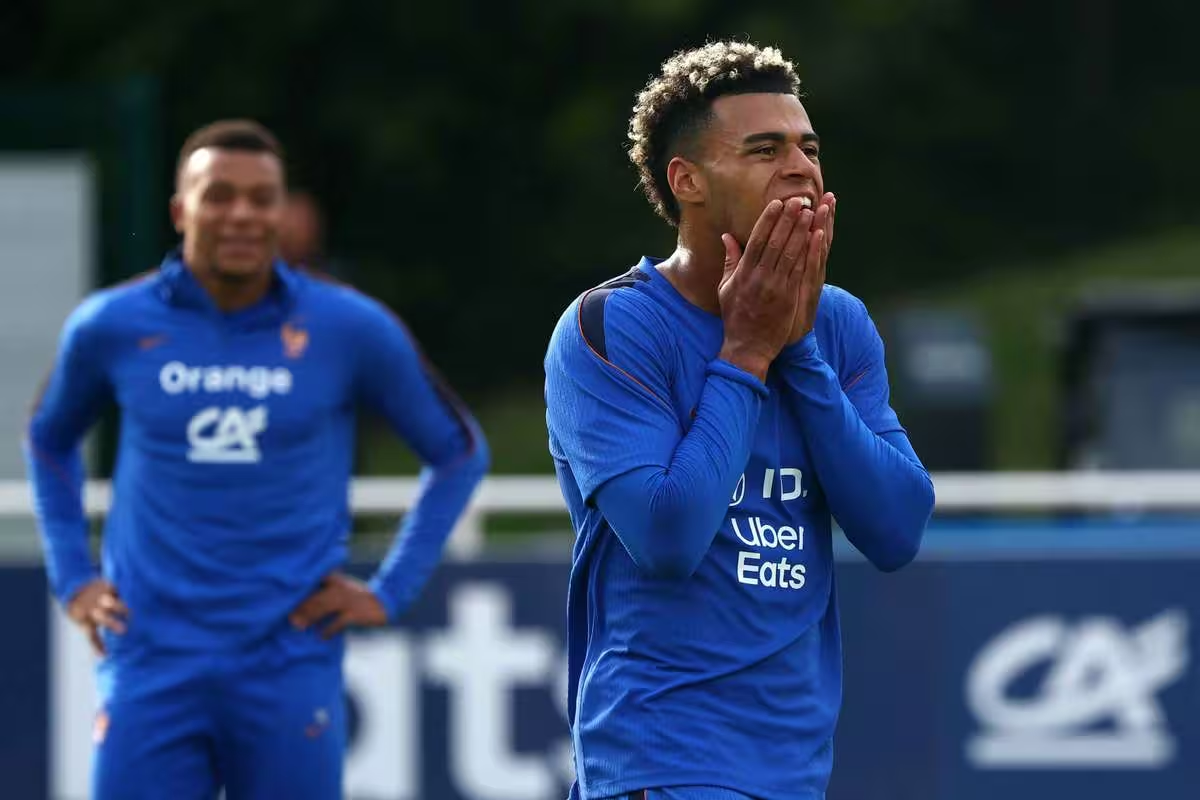
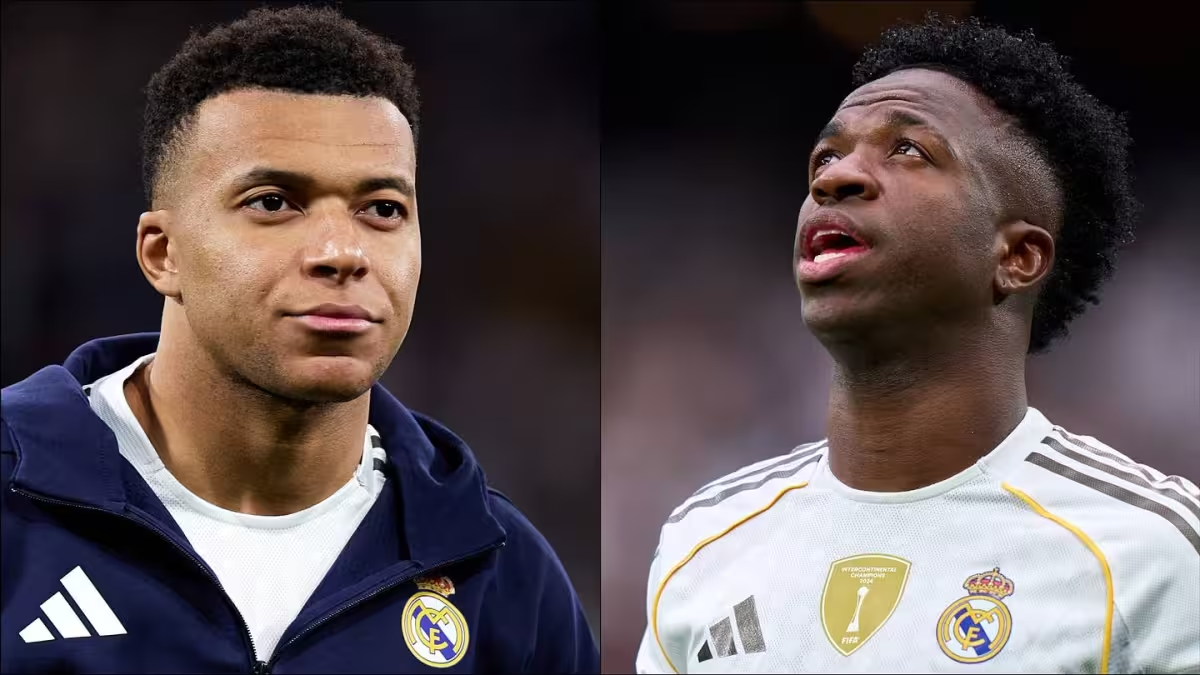
The decision was not made in a vacuum. Bonny had been competing for a place in France’s forward pool alongside established stars and rising names; the depth — including Mbappé, Doué, Barcola and Dembélé — left fewer openings. Moving to Ivory Coast offered a clearer path to senior minutes and a direct route into a national setup determined to broaden its attacking options.
Expectations will come with the jersey. An Italian sports daily has even posed the headline question of whether Bonny can follow in the footsteps of past Ivorian greats, framing him as a potential successor to the kind of physical presence Didier Drogba once supplied. Bonny’s résumé is measured: the youth caps, the time in Serie A and the brief appearance in Paris. None of it proves he will become that player, only that Ivory Coast is willing to bet on him.
The friction at the heart of the move is simple and immediate. At club level Bonny’s minutes at Inter have dwindled; in France the competition for a forward spot is fierce. By switching allegiance he traded a crowded path to senior minutes for a faster route into international football. Whether that trade delivers a starting role at the World Cup depends on how quickly he converts a 23-minute cameo into sustained form in training and the friendlies that remain.
Bonny’s arrival shifts selection arithmetic for Ivory Coast — he is a young, previously France-trained forward added to an attack that will be judged in the coming days in Philadelphia against Ecuador. The clearer question now is not that he has changed countries, but whether the gamble of moving from France’s surplus to Ivory Coast’s demand will produce a player who belongs on the pitch when the World Cup whistle blows.