




"I’m 100%. Missing games for Liverpool was part of the plan to make sure I was ready for the World Cup," Alisson Becker told a Brazilian outlet as he represented Brazil at the tournament, a blunt admission that reframes several months of absence at Anfield.
Becker repeated the line that framed his spring: "Everyone knows I spent a period out before the World Cup, but also very much because of arriving at the World Cup 100%." He insisted the aim was fitness rather than avoidance: "I said before: the important thing is how we arrive at the World Cup."

The weight of that statement lands because Liverpool played without their first-choice goalkeeper for several months. Illness, followed by a hamstring injury, kept Becker off the pitch in the spring and forced the club to turn to Giorgi Mamardashvili and Freddie Woodman for Premier League and cup matches.
Those are not small substitutions. Liverpool were navigating a testing run of fixtures when Becker went missing, and the club’s results and rotation were affected by the enforced reshuffle. Fans watched other keepers in goal and questions about stability in the position followed.
Becker framed his absence as deliberate preparation. That matters today because it comes while he is playing for Brazil on football’s biggest stage and while speculation about his club future—he has been linked with Juventus—remains live. The admission changes the tone: this was not simply bad luck; it was a calculated trade-off to be fully available for his national team.
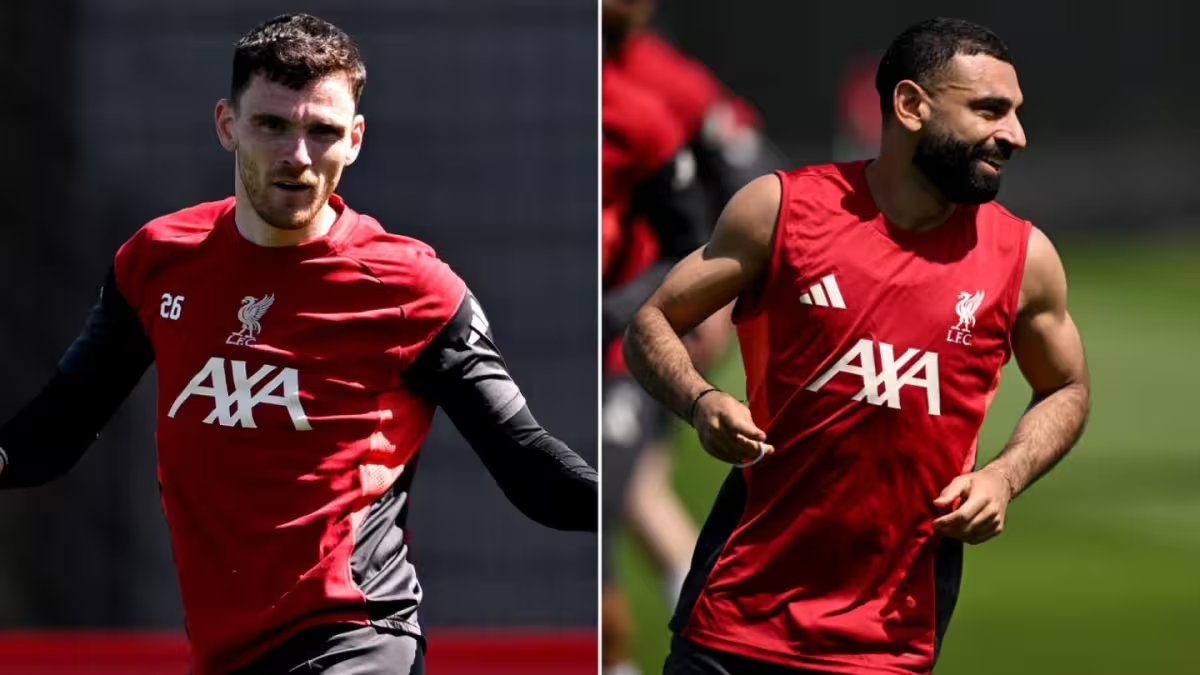
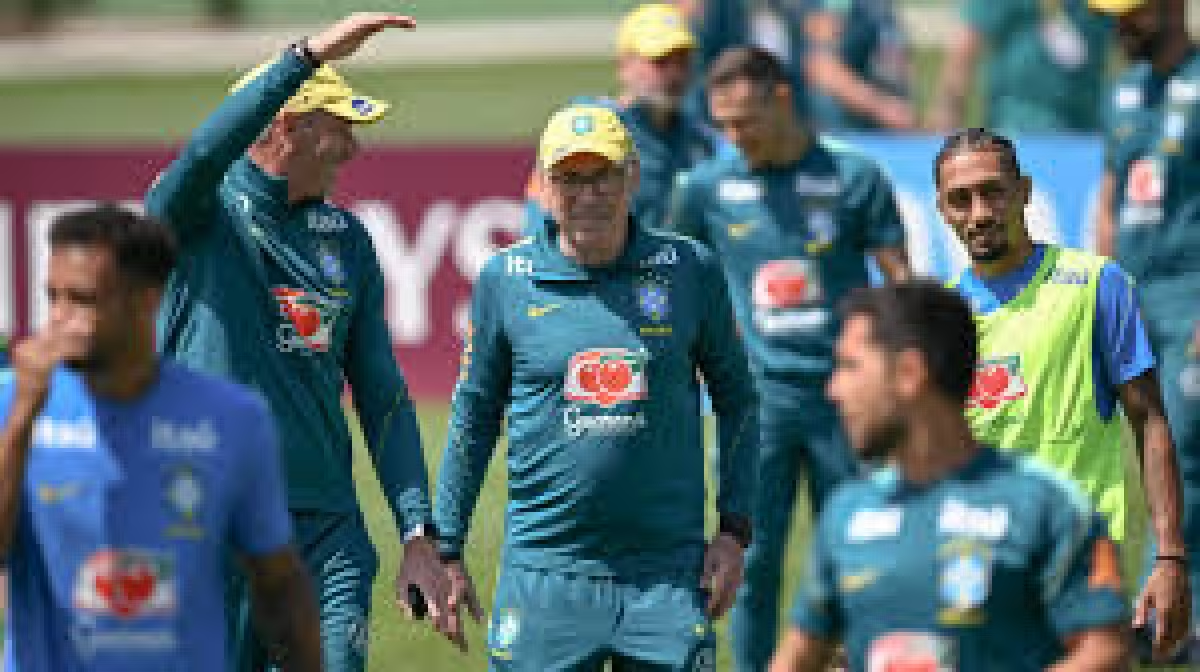
The friction is immediate. Liverpool needed their established No. 1 through a difficult final stretch of the season. Becker’s explanation—that missing games was part of a World Cup plan—answers why he was absent but raises the sharper question Liverpool supporters and directors will want answered: did the club sanction a schedule that prioritized World Cup readiness over domestic continuity?
Becker’s public message is simple and self-assured. He says his body was the deciding factor—illness and a hamstring problem—and that those interruptions were managed with one objective: arriving at the World Cup at full capacity. He did not say whether every absence had been cleared internally or negotiated with Liverpool’s medical staff and coaching hierarchy.
The undisclosed bit is the most consequential. If Liverpool knew and agreed to a measured ramp-down so Becker could peak for Brazil, that represents a deliberate strategy with clear costs and benefits. If the plan was largely driven by Becker and his camp, it exposes a tension between player priorities and the club’s reliance on a single, world-class goalkeeper.
For now, the practical next step is straightforward. Any significant transfer decision or deal involving Becker is likely to wait until the World Cup is over or until Brazil are eliminated. The tournament will serve as both the showcase and the deadline: his displays for Brazil will shape market value, and clubs and Liverpool will have clearer information about his fitness and form.
The sharper unresolved question is narrower and urgent: did Liverpool authorize a spring of managed absences to prioritise the World Cup, and if so, what does that mean for goalkeeping policy going forward? That answer will determine whether Becker’s plan is treated as prudent player management or as a costly gamble that left Liverpool exposed when they needed him most.



