
The Oakland Athletics opened a three‑game series against the Colorado Rockies at Las Vegas Ballpark on the heels of a franchise record‑tying burst of offense — 15 home runs over three games against Milwaukee earlier this week.
The power showed up when it mattered: Lawrence Butler delivered a huge game‑winning home run on Wednesday night, and the club’s late comebacks have been a pattern through nearly 70 games. Still, the A’s will carry that pop into a matchup against a Rockies staff that entered the series with the worst ERA in MLB.

That contrast is the immediate weight of this matchup: 15 home runs in three games is hard to ignore, but Oakland’s pitchers rank with the seventh‑worst ERA in the majors and have allowed the fifth‑most homers. The result could be a lot of runs — and a test of whether the offense can outpace a weakness that hasn’t gone away.
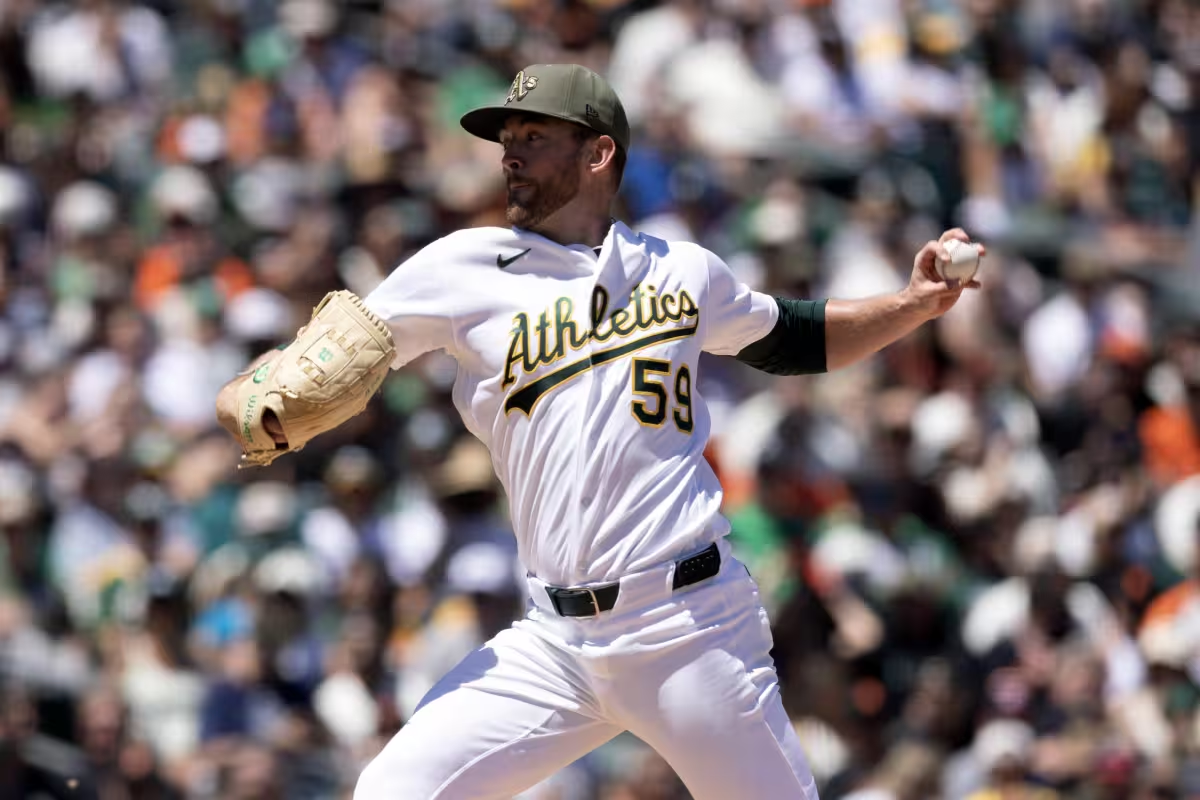
Rotation questions overlap with the optimism. Jeffrey Springs arrived as the biggest question mark among Oakland’s three projected starters after a rough outing on Monday; J.T. Ginn, by contrast, held his own on Tuesday night. Gage Jump was tapped to start Thursday after extensive Triple‑A work in Las Vegas, and younger arms such as Nathan Dettmer have shown promise in the lower minors.
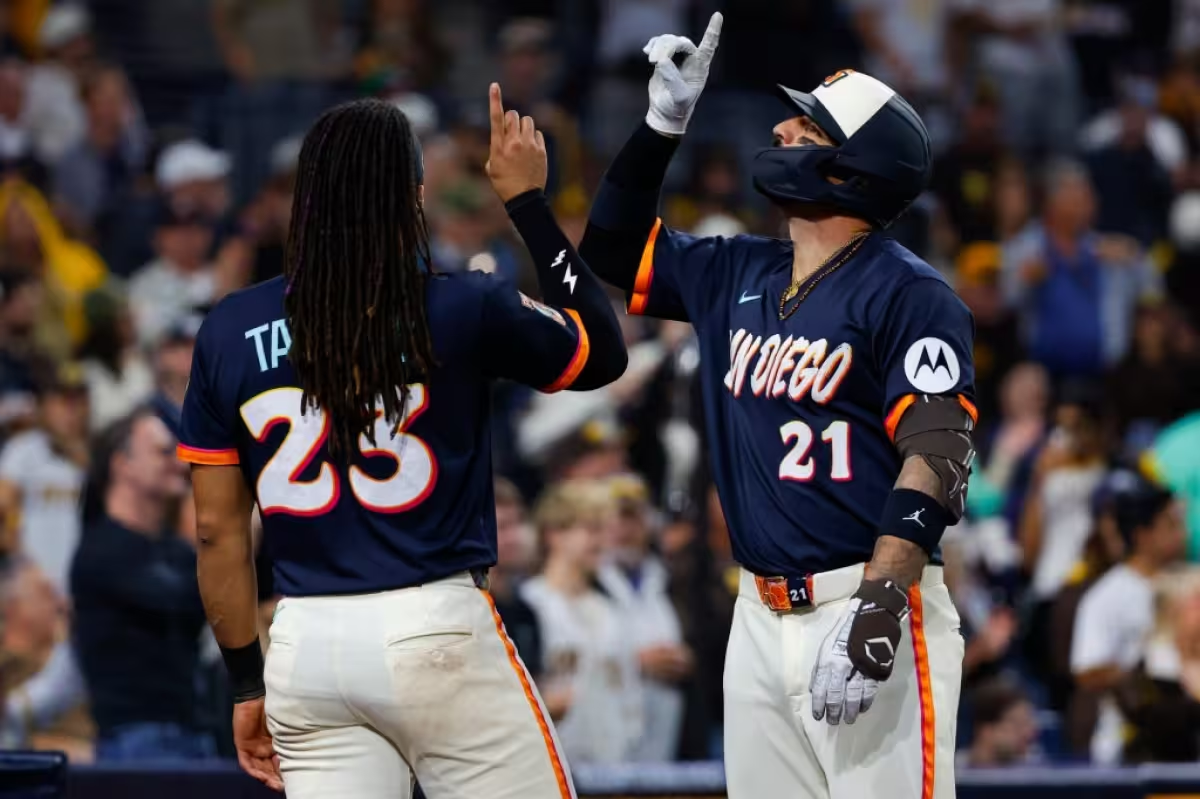
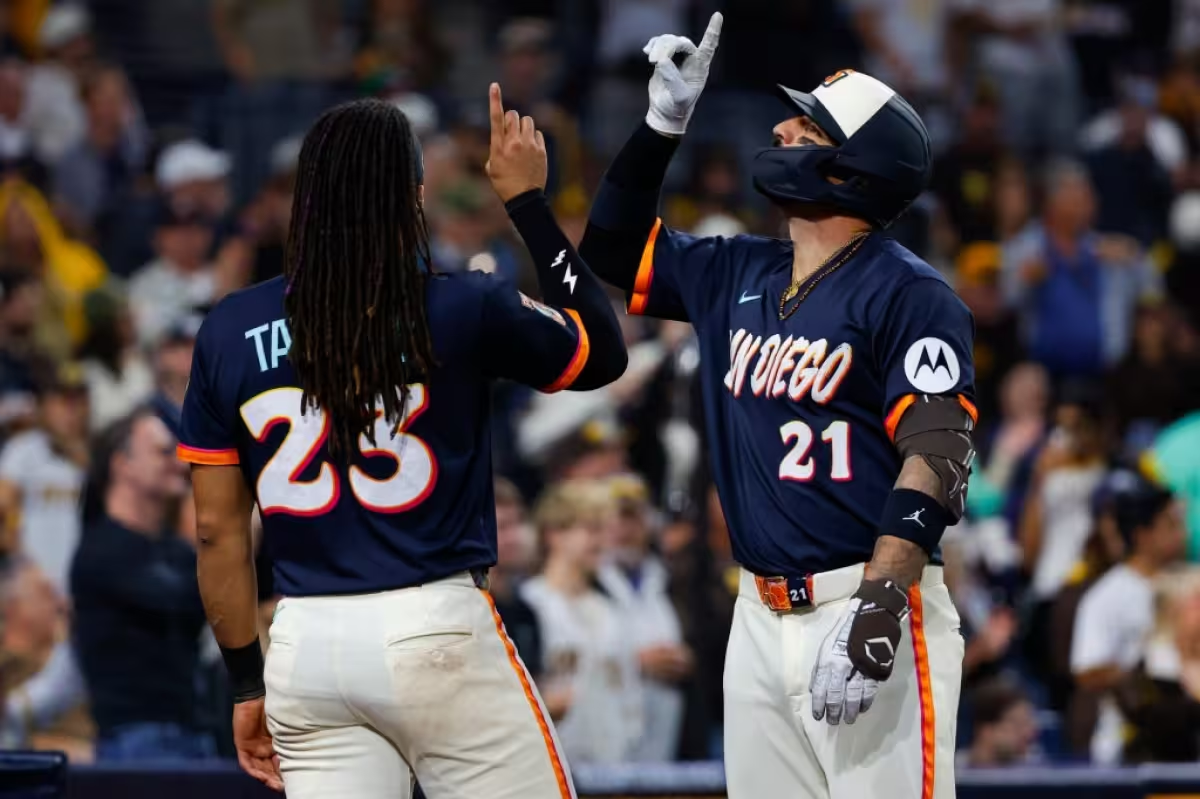
The context matters: Oakland has staged its home slate this season in minor‑league ballparks in Sacramento and Las Vegas as the club works to build support after abandoning its Bay Area fanbase. During the Brewers series there appeared to be more Milwaukee fans than Athletics fans in attendance, and chants of "Let's go Brewers!" were heard multiple times on Oakland’s television broadcast — a reminder that the club is still trying to grow a new local following.
For Colorado, entering the series in last place with the worst staff ERA makes the matchup feel winnable on paper, yet that same weakness in run prevention raises the likelihood of high‑scoring affairs. The friction is obvious: the A’s newfound long ball gives them an offensive edge, but their own pitching vulnerabilities could render every lead fragile.
Practical details matter this weekend. The series is being played in Las Vegas Ballpark, and the finale on Sunday is scheduled for a 12:05 p.m. first pitch — a midday start expected to happen in triple‑digit desert heat. Conditions that day were flagged as posing a heat‑related risk for players, stadium workers and fans, making hydration and bullpen management immediate concerns for both clubs.
What to watch when the rockies vs athletics series unfolds: whether Oakland’s hitters can keep producing at the level that produced 15 homers in three games, and whether the A’s pitching staff can stop surrendering long balls often enough to protect those leads. Keep an eye on Springs’ next turn after Monday’s trouble, Ginn’s follow‑up work, and whether Jump’s Triple‑A familiarity with Las Vegas pays off in his start.
The next decisive marker is clear: Sunday’s 12:05 p.m. matinee will be the final chance to judge if Oakland’s power surge is sustainable when the thermometer is at its highest and pitching depth is strained. If the A’s pitchers cannot hold, the team’s recent fireworks at the plate may look less like a turning point and more like a headline in a series of short, hot bursts.