



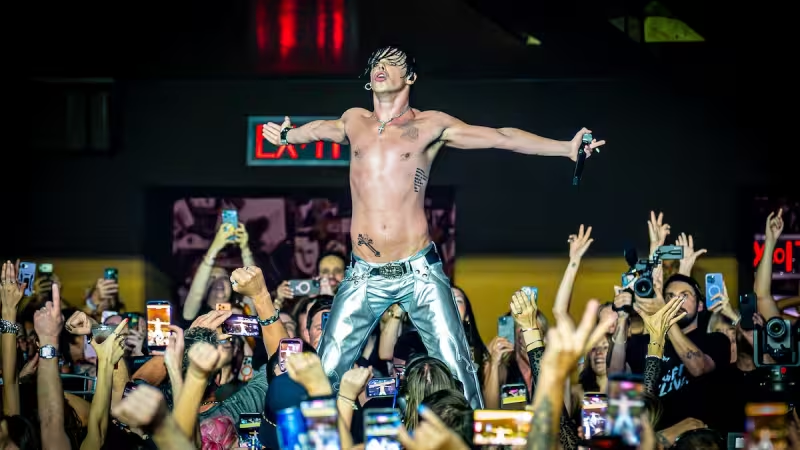
The Warning opened for Yungblud on Sunday night at a sold-out show at The Anthem and delivered a full-length, high-energy set that left no doubt: calling them merely “up-and-coming” undersells what happened on that stage.
The sister trio launched into the night with “More,” then ran through nearly a dozen songs — including “S!ck,” “Escapism,” “Ego,” “Disciple,” “Ritual,” “Sharks,” “Hell You Call a Dream,” “Evolve,” “Kerosene,” and “Automatic Sun.” Daniela Villarreal’s guitar tone cut through The Anthem like a buzzsaw, giving familiar riffs a live bite that the room answered to. By the time they reached the middle of the set the energy had shifted; applause and calls that began as politeness turned into sustained shouts of recognition.

The signal that the opener had crossed from support act to co-star came not from one moment but from accumulation: a sequence of big choruses, a stretched ovation after “Kerosene,” and audible new chants during “Automatic Sun.” Those are the metrics that matter at a packed rock show — not ticket tiers but the fraction of an audience that arrives for the headliner and stays because something else has grabbed them. On Sunday night a noticeable portion of the crowd stayed, listened, and left talking about The Warning.
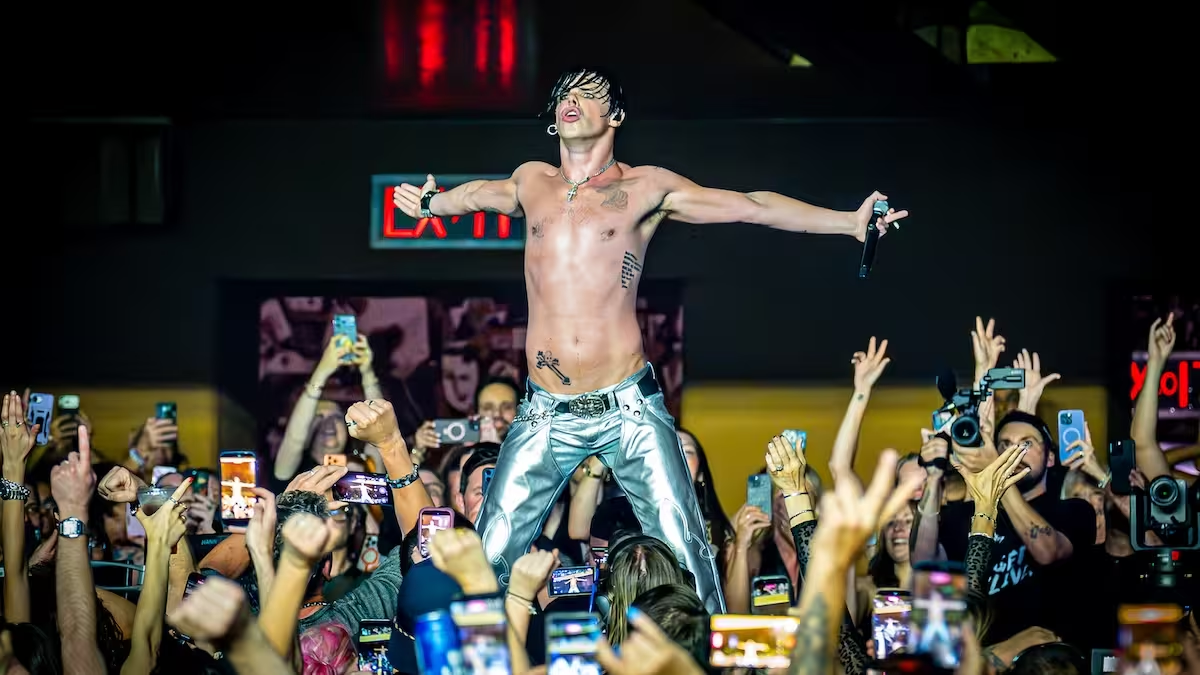
That outcome matters today because it happened at a sold-out yungblud date, giving The Warning maximum exposure to listeners who did not buy tickets for them. Opening for an act with a full house is routine; turning strangers into fans in that environment is not. The band’s set list showed they have the songs and the pacing to carry a room, and the response suggested their fanbase is expanding beyond niche pockets into a live audience that will follow them to their own bills.
Still, a tension remains between momentum and market reality. The Warning demonstrated they can win over a crowd, but winning over crowds on other bands’ bills is not the same as selling out theaters under your own name. The review of the night makes that friction plain: they drew such a strong response that the label “up-and-coming” feels outdated, yet there is no public schedule in place in the record of this show that confirms the pace at which they will move from high-profile openers to consistent headliners.
That gap is the only honest question left by Sunday’s result. The Warning have the material, the stage command, and the demonstrable ability to convert a sold-out yungblud audience. What remains is logistics — routing, promotion, and timing — the business side that turns reactive applause into ticket sales under their name. Given what happened at The Anthem, those pieces should follow; the most realistic next step is a run of mid-size headline dates where The Warning’s growing fanbase can be measured and amplified on their own terms.
In short: their set at The Anthem was not just a strong opening slot. It was evidence that The Warning have crossed a practical threshold. Promoters and the band’s team can make a case now for headlining tours; the audience reaction from Sunday provides the proof they’ll need to sell them.



