



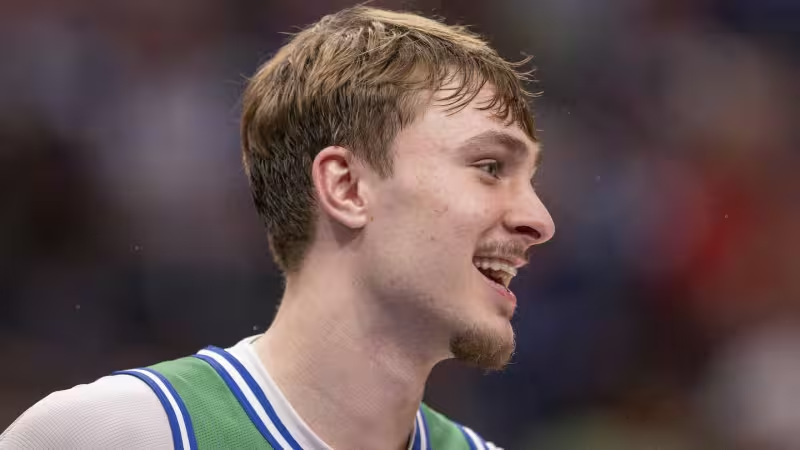
Sam Vecenie projected the Dallas Mavericks will use the No. 30 overall pick to draft Duke wing Isaiah Evans, a move that would reunite Evans with Cooper Flagg and target a glaring weakness in Dallas’s roster heading into the summer.
The projection matters because Dallas was one of the NBA’s poorest shooting teams last season. The Mavericks made just 11.0 three-pointers per game and ranked 29th in the league in made threes; only the Sacramento Kings attempted fewer. With Kyrie Irving out for all of last season and only Max Christie and Klay Thompson averaging at least 1.5 made threes per game on the 15-man roster, Dallas’ spacing and perimeter scoring remain a concrete offseason problem.

Evans is a 6-foot-6 wing whose sophomore season at Duke was loud in the box score: 15.0 points per game, second on the team behind Cameron Boozer, while shooting 36.1 percent from three on 7.4 attempts per game. He also shot 41.6 percent from deep as a freshman, a profile that reads like a ready-made shooter for an offense that desperately needs more consistent perimeter threats.
There’s a built-in chemistry argument to Vecenie’s projection. Evans and Cooper Flagg were freshmen together in Durham; Duke coach Jon Scheyer surrounded Flagg with knockdown shooting and high-end playmakers, a setup that helped Flagg flourish. Reuniting Evans with Flagg in Dallas would, on paper, recreate the spacing and catch-and-shoot support Flagg saw in college—support the Mavericks largely lacked last season.
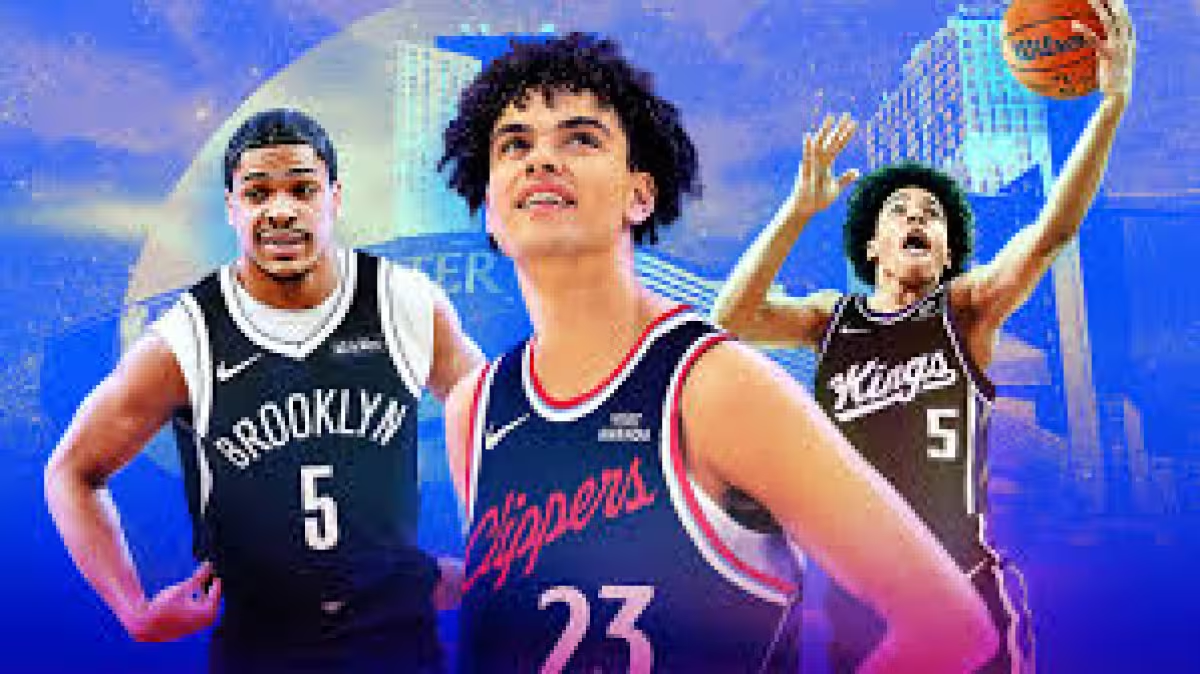
That logic collides with the friction the facts create: the team linked to a shooter was last season one of the league’s worst shooting teams. Drafting Evans at No. 30 would be a tidy attempt to fix a glaring statistical hole, but a single late-first-round pick cannot instantly remake Dallas’s offensive identity. The Mavericks finished the season making 11.0 threes per game; adding a 36.1 percent shooter on 7.4 attempts does not automatically close the gap between ranking 29th and competing with the league’s elite spacing units.
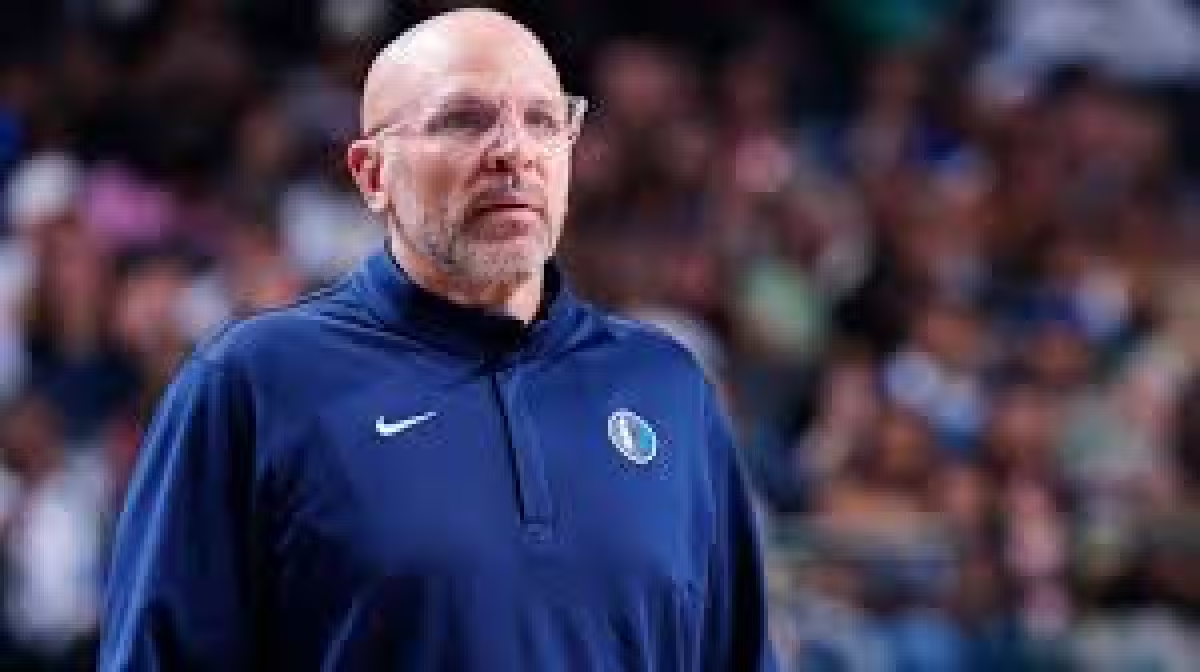
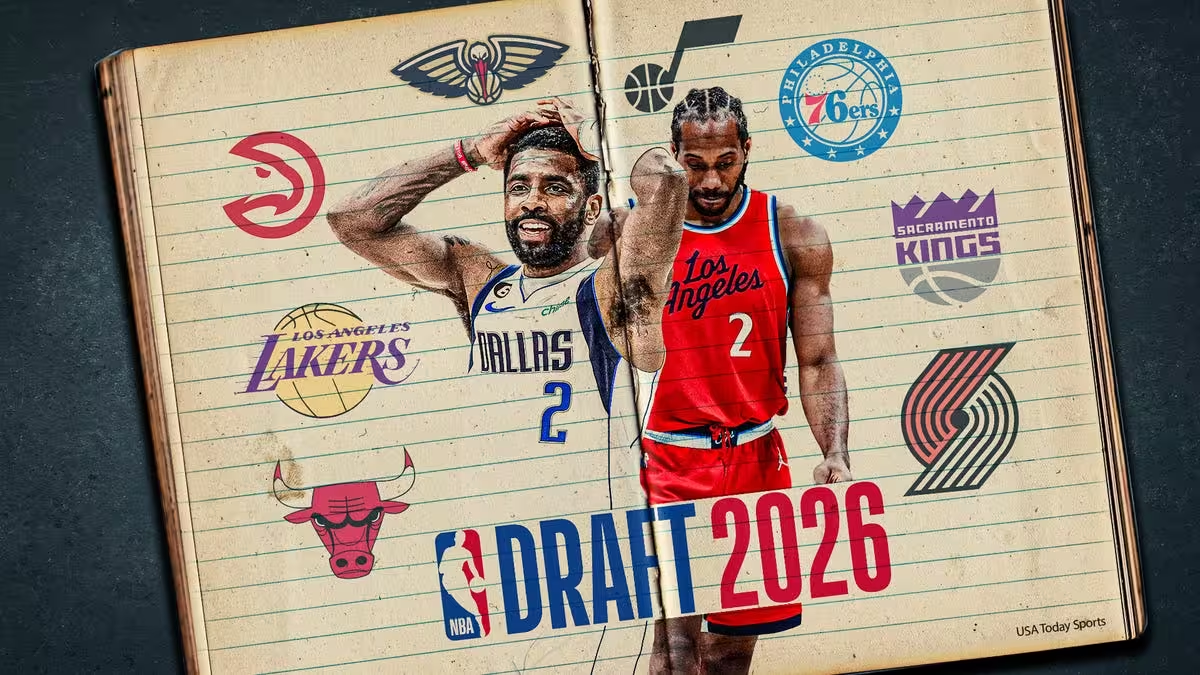
Practically, No. 30 is a late first-round selection that often yields role players rather than immediate stars. Evans’s measurements and shooting rates make him an archetypal first-year rotation candidate who could carve minutes as a perimeter specialist. The projection does not confirm whether Dallas will actually make this selection; the pick could be retained, traded, or used in a package depending on how the Mavericks choose to balance veteran slots, Kyrie Irving’s availability for next season, and their broader roster moves.
What to watch on draft night: whether Dallas keeps the No. 30 pick, whether Evans is still on the board, and whether the Mavericks prioritize proven shooting in a single pick or pursue a trade that addresses shooting and other needs. If Dallas does take Evans, the most immediate outcome to track will be how quickly he and Flagg reconnect on the court and whether those looks translate into improved spacing for Dallas’s stars.
For readers following league coverage and broadcast perspectives during this stretch, commentary around these draft choices will mix scouting and season-long narratives; see Richard Jefferson Joins Mike Breen and Tim Legler for 2026 NBA Finals Debut at for one example of how national voices are positioning themselves this offseason. The single unanswered question after Vecenie’s projection remains the decisive one: will the Mavericks keep No. 30 and pick Isaiah Evans, or will they turn that late first-round asset into something else that reshapes their shaky three-point profile?



