



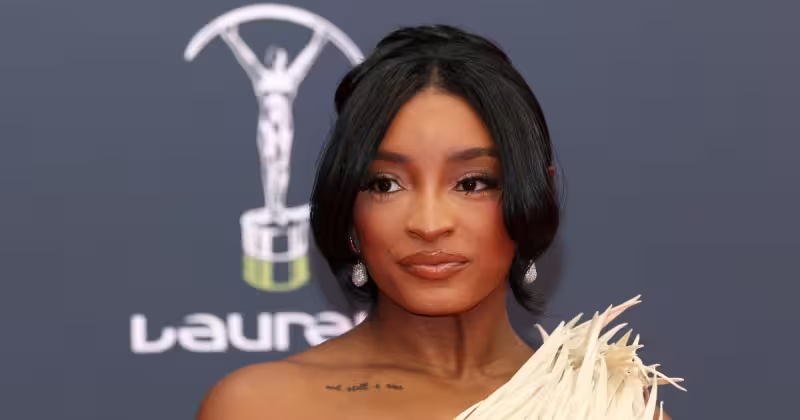
Simone Biles told followers on Saturday that she had a frightening health scare earlier in the week — posting hospital-style wristbands, a heart-rate monitor screenshot and saying she had been "resting in bed" after an episode she described as having "almost died."
The 29-year-old wrote on Instagram Stories that she was reluctant to share private matters but that "almost dying wasn’t on my bingo card earlier this week." She called the incident "one of, if not the scariest experience of my life," and posted photos of a trio of wristbands like those issued to patients, images of bouquets sent by close friends and a photo of two dogs on a bed with the text "i’ll be here."

Biles said members of her "close circle" visited, sent flowers and checked in while she recovered. She added, "I’m not one to normally share things like this because I value privacy in today’s age," and closed by saying, "I’ll explain sooner or later." Representatives for Biles did not immediately respond to requests for comment late Saturday.
Even for an athlete of her stature, the images and language carried weight. Biles is the world’s most decorated gymnast with 41 Olympics and world-competition medals, and her decision to share hospital-style wristbands and a heart-rate screenshot drew immediate attention and concern from fans and the broader sports community.
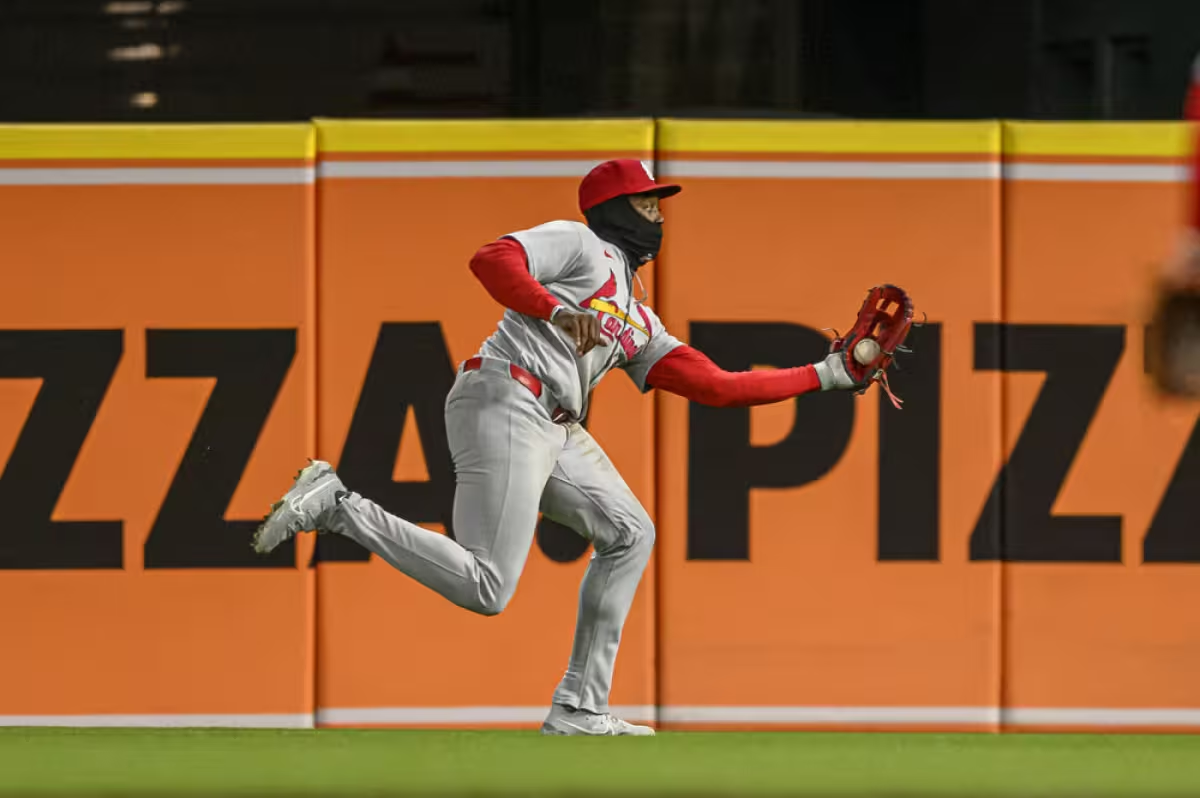
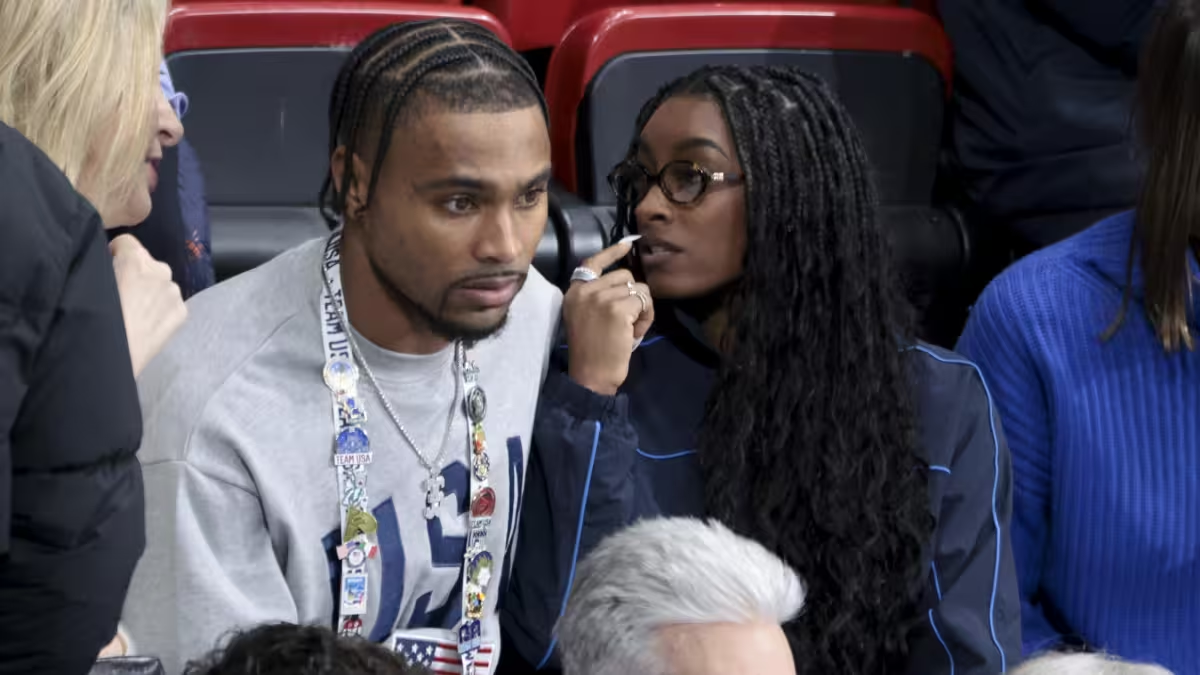

Timing, she suggested, made the scare harder to manage. Biles said her husband, Jonathan Owens, was in Indianapolis for practice sessions — a detail that, she implied, complicated the week. Owens is a safety for the NFL’s Colts; the couple have a home in Spring, Texas, about 25 miles north of downtown Houston. The two had attended a St. Louis Cardinals game on May 29, where Owens threw out the first pitch, and Biles posted photos from that outing on Friday.
The friction in this short, personal disclosure is that Biles left out the crucial detail every reader wants: what happened. She said only that she endured an "unexpected situation" and that it felt like "almost dying," but she stopped short of naming a diagnosis, the circumstances that led to the hospital-style wristbands, or whether she was admitted. That gap between the severity of her words and the absence of medical detail is the story’s tension.
What she did provide was the texture of recovery: rest in bed, friends and family checking in, flowers and the comfort of pets. The heart-rate screenshot and wristbands make it plain that the scare involved some interaction with medical care, even if Biles did not say whether she sought treatment in a hospital or clinic. Her promise to "explain sooner or later" leaves the public to weigh the seriousness of her account against the privacy she said she treasures.
The single, consequential unanswered question now is simple and urgent: what medical emergency led a 29-year-old, elite athlete to say she had "almost died" this week and to post images suggesting hospital involvement? Biles’ message signaled recovery for the moment, but it also set a clock on information only she or her representatives can start it on.



