
The blue carpet at the 2026 Tony Awards produced a handful of clear winners: Aubrey Plaza’s black-and-white Chanel gown, Jeremy Pope’s sporty bomber-and-oversize-suit combo, Pink’s sequined host look, Michele’s Michael Kors skirt-and-tank pairing, and, most decisively, Cole Escola’s incandescent pink Christopher John Rogers—all arriving Sunday evening at Broadway’s biggest night.
The case for Escola is simple and visible. The custom Christopher John Rogers piece read like a single, unmistakable note of color across the carpet: bright, theatrical and intentionally referential. Escola has said the shade was inspired by ibuprofen and meant to fuse ’80s prom-queen energy with the flair of classic stage icons such as Dorothy Loudon; on the carpet that ambition translated into the most photographed silhouette of the night.

Other looks carried their own, different weights. Aubrey Plaza attended with Christopher Abbott in a black-and-white striped Chanel gown; the appearance was their first as a couple since announcing a pregnancy in April, and Abbott was on the carpet as a nominee for his featured role in Death of a Salesman. Jeremy Pope mixed street and tailoring in a red bomber layered over an oversize black Public School suit. Michele opted for a Michael Kors Collection black sequin skirt—complete with pockets and a subtle train—paired, simply, with a white tank. As host, Pink leaned into pageant drama with a black sequin gown, a black-and-white feather train and a coordinating hair accessory.
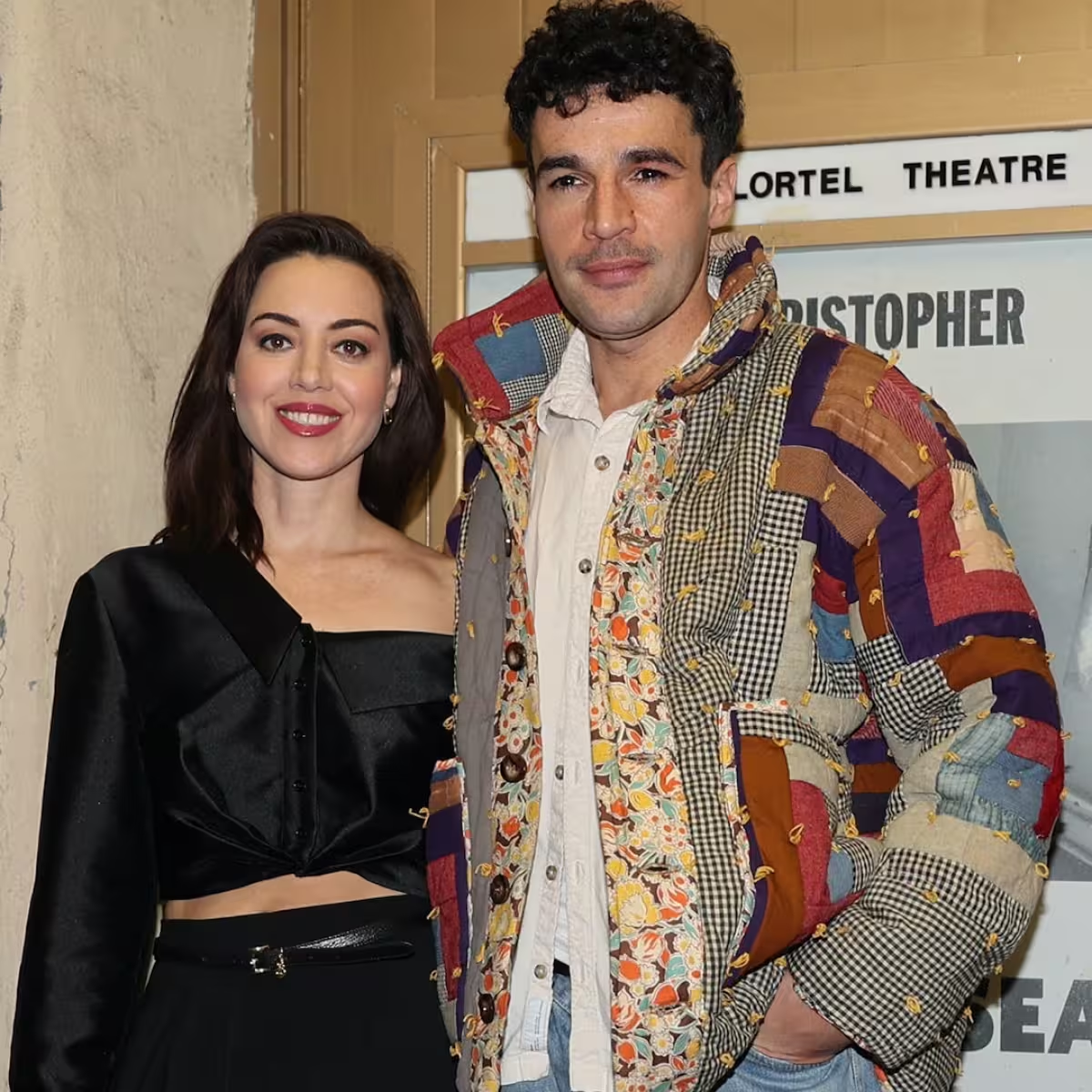

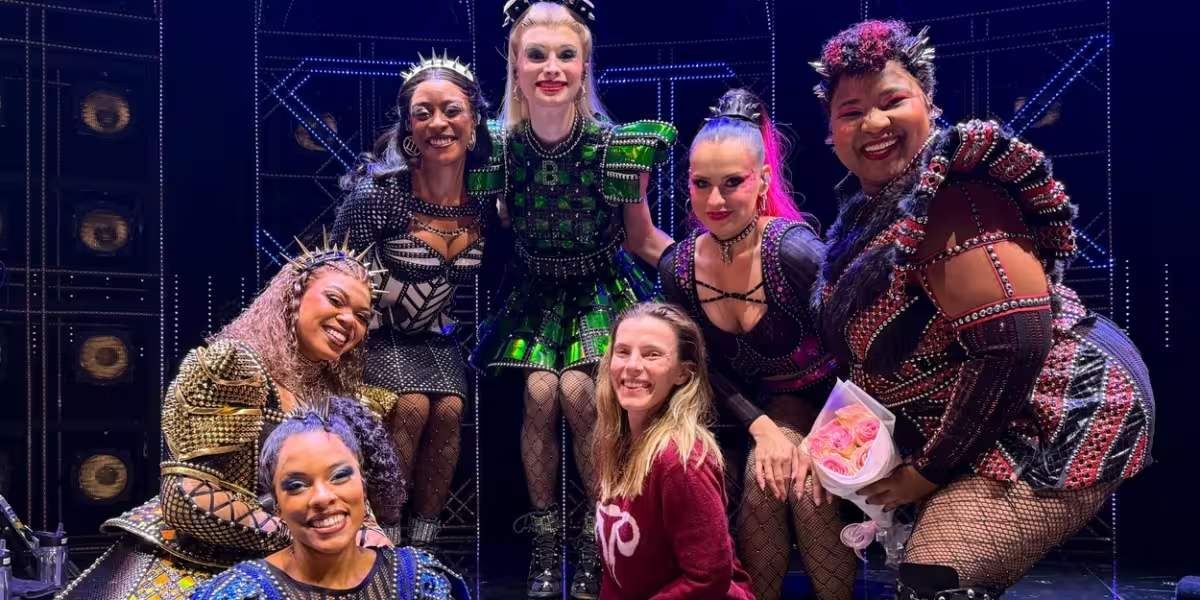
There were quieter but notable moments too: a Secret Lives of Mormon Wives alum made a first-time Tony red‑carpet appearance in a sculptural black velvet bodice and soft champagne tulle skirt, and an Erdem ensemble showcased oversized shoulders and cascades of red ribbons down a blush-pink skirt. Those choices kept the evening from feeling uniform; between classic couture and stage‑ready excess the carpet made small declarations about the season’s tastes.
The night carried a small, amusing contradiction that undercuts tidy interpretation. Escola described the color choice as inspired by ibuprofen, a deliberately oddball reference to the idea of medicine and neutral utility; at the same time the vivid bubblegum hue read, to some eyes, like Pepto Bismol energy. That split—between creator intent and visual reception—is precisely the kind of friction that made the carpet interesting: a look both self-aware and unapologetically loud.
For readers tracking other headline winners this year, FilmoGaz has recent winner roundups on other sports and awards moments—see Who Won Indy 500 In 2025 — Álex Palou On Pole, Back-to-Back Bid at Indianapolis ( and Who Won The American Rodeo 2026: Summers, Corkill, Steiner and Fanning Take Top Prizes ( on the Tony blue carpet the visual verdict is narrower and more theatrical.
If the question is strictly who won the blue carpet, this column awards the night to Cole Escola: the Christopher John Rogers gown did what the best carpet pieces must do, making a clear argument in color and reference and refusing to play background. That is the practical takeaway for future awards nights—the bold, stage-minded statement still carries more currency here than subtlety. There is no scheduled next event in the source to test whether the trend sticks; for now the photographable, referential pink stands as the single most decisive look of the 79th annual Tony Awards.