



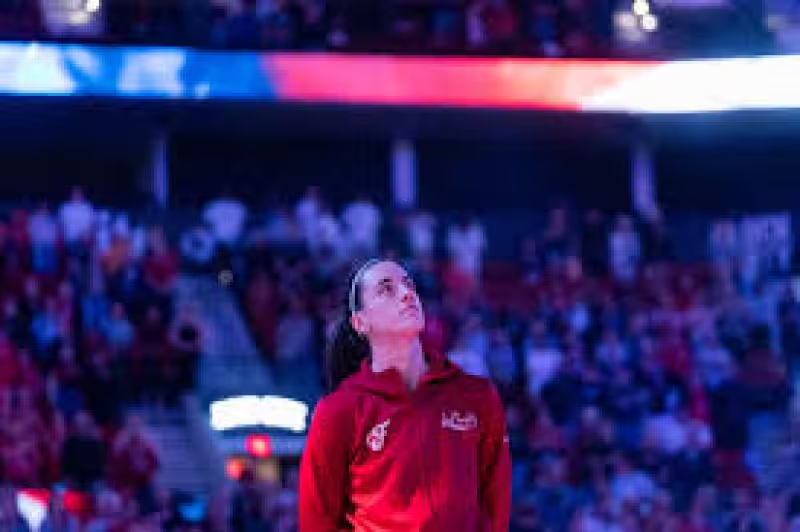
A short social‑media clip from the Indiana Fever's June 6 loss to the New York Liberty reignited attention on Caitlin Clark after it showed her walking past a teammate's attempted high‑five as she returned to the floor following a timeout.
In the clip, Tyasha Harris reached out for a high‑five as Clark walked on; Clark appeared to have her head down and did not reciprocate. Harris then patted Clark on the shoulder. The moment, brief on the clock, became the primary online talking point after Indiana fell to New York on June 6 — a game in which Clark scored 10 points and shot 4‑for‑14 from the field.

The result left the Fever at 5‑5 and the Liberty at 7‑4, numbers that made the clip feel larger than the gesture itself: a 5‑5 start with weeks to go before the All‑Star break keeps team chemistry under a microscope, and social feeds turned a bench micro‑interaction into a broader narrative about the club and its star.
Head coach Stephanie White had already addressed a separate sideline exchange with Clark at the end of May, telling reporters last week that she was “challenging a player” and framing the incident as coaching. “What happened in that moment is, I was challenging a player. It's coaching, is what it is,” White said, adding that she and Clark are both competitive and stubborn and that the relationship is meant to sharpen both of them.
White pushed back on what she called sensationalism around the team, saying the narrative being spun online was an attempt to “make something that it's not” for clicks. She also noted she doesn't see similar scrutiny in men's sports as often and emphasized that Clark wants to be coached and to help the coach improve.
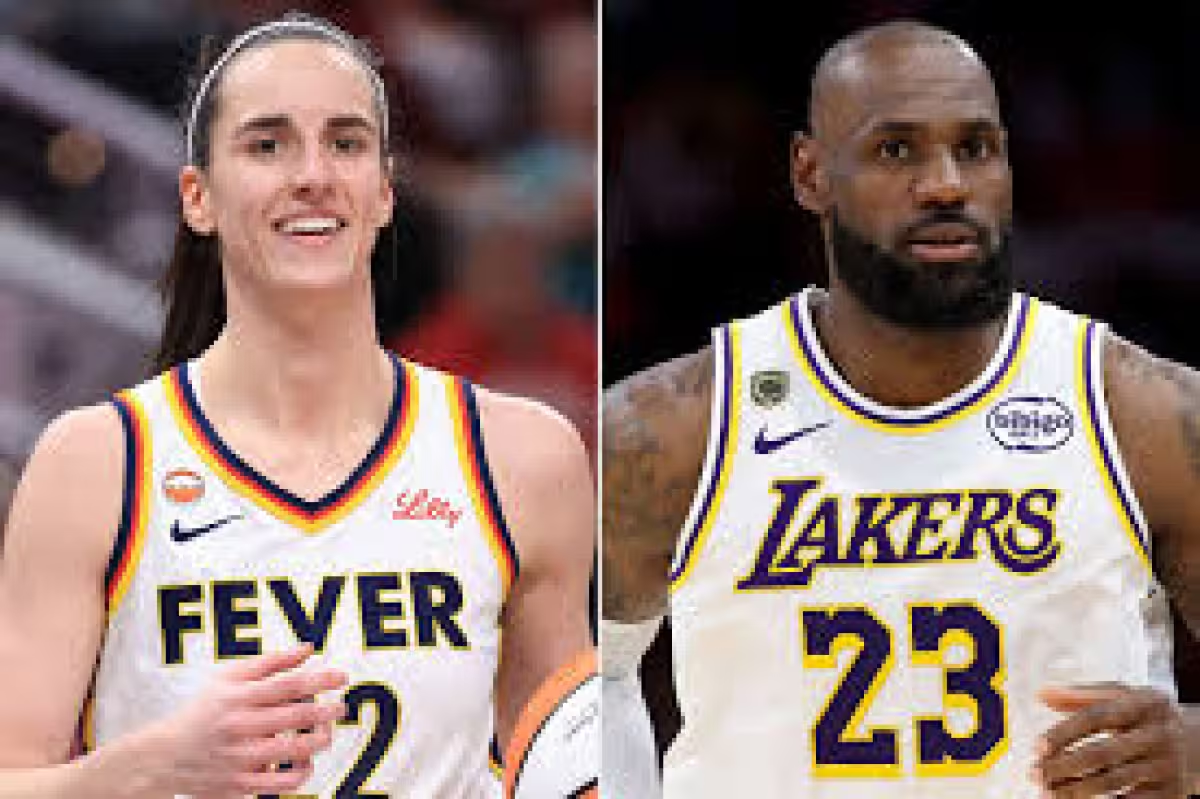
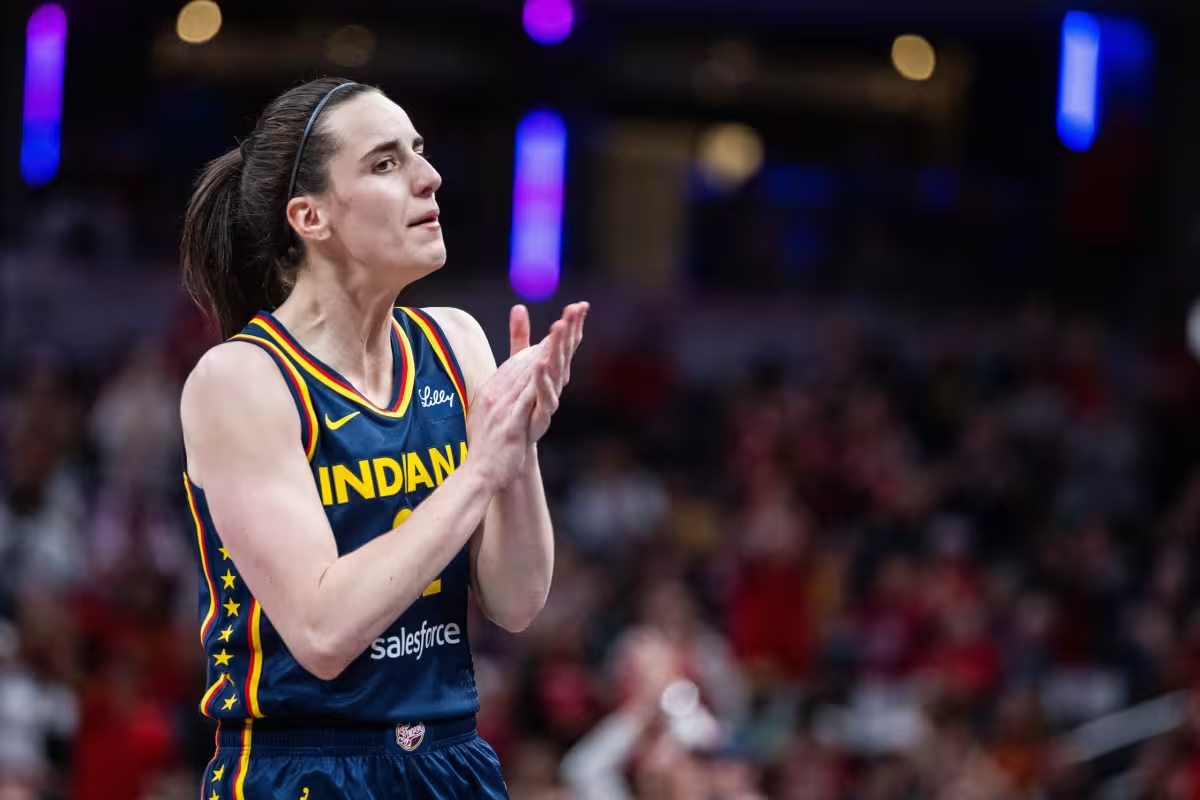
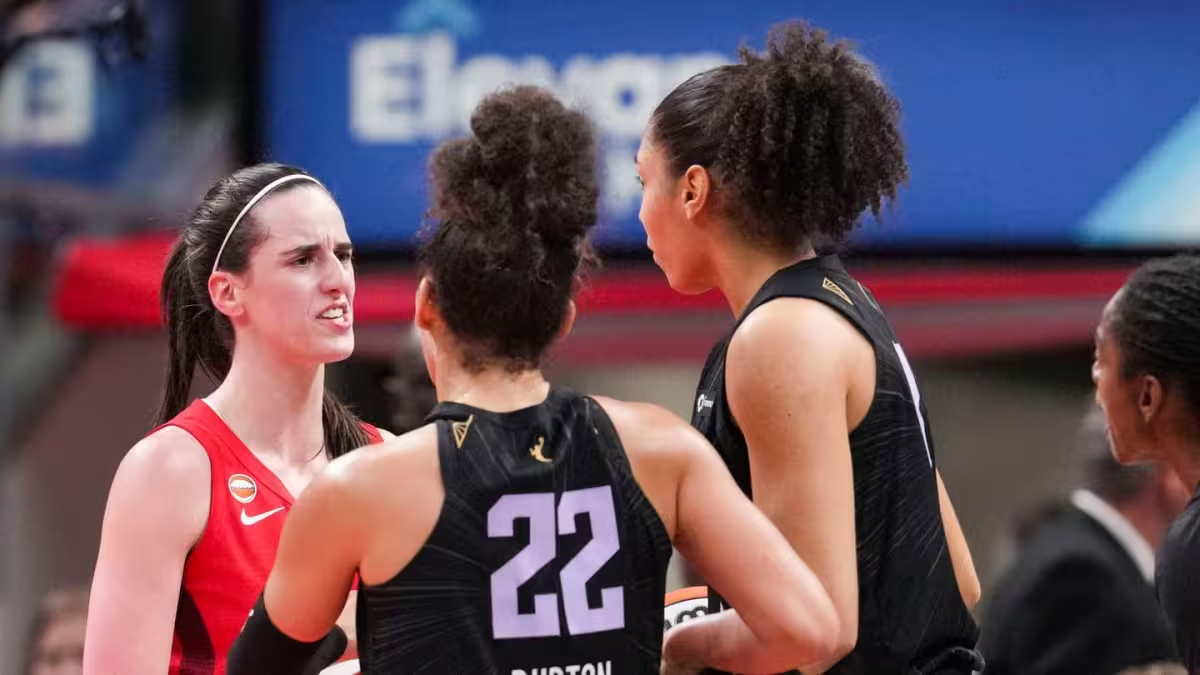
The patronage of White's comments — that the exchange was coaching and not a rupture — is the clearest public counterpoint to the bench clip. But the clip supplied a fresh, textureless image that social platforms could amplify: an apparent miss, a quick shoulder pat, and a flurry of speculation about whether the passer felt snubbed.
The friction is that the bench moment is trivial in isolation yet potent in the current climate. Clark had not addressed the high‑five moment in the immediate aftermath, and without her voice the clip filled a silence that fans and pundits were already eager to interpret. That gap — miss, oversight or intentional? — is what turned a few seconds of interaction into a trending topic.
On the court the consequences were concrete: Clark's 10 points on 4‑of‑14 shooting left the Fever still seeking consistency. Off the court, the clip fed a week‑long stream of social‑media analysis about team chemistry and Clark's fit in Indiana, adding pressure as the team tries to find traction in a tightly contested early season.
What happens next hinges on two linked facts: Clark has not publicly explained the clip, and the Fever remain at 5‑5 with meaningful games ahead. If Clark speaks, the moment can be absorbed into normal locker‑room context; if she stays silent, the social narrative is likely to linger, complicating a club that is trying to steady itself before the break.
For now, the high‑five clip is a small moment that amplified an existing story line — a reminder that in a noisy season even incidental gestures can become consequential when a team is still finding its identity.



