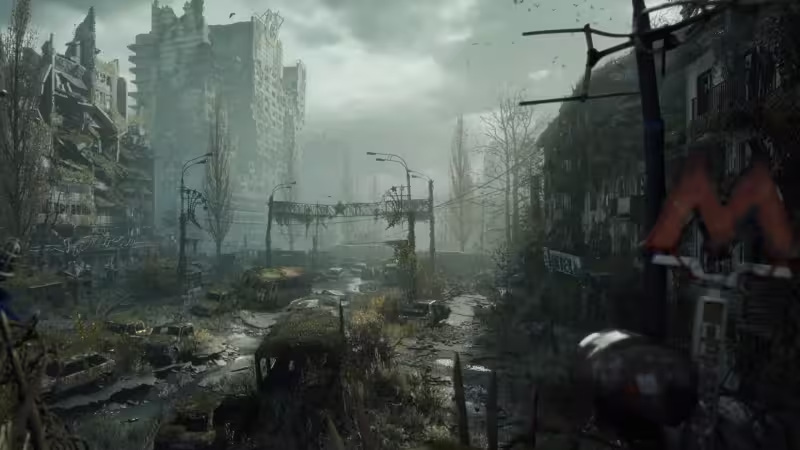
Metro 2039 received a brand new gameplay trailer at the Xbox Games Showcase 2026, and the publisher used the stage to show hours of in-engine footage while confirming a February 2027 launch on Xbox Series S|X, PlayStation 5, Steam and the Epic Games Store. The trailer was captured entirely in‑game and alternated raw first‑person play with striking custom camera angles, giving a direct look at how the finished product will both feel and present itself.
The footage delivered concrete moments rather than promises: players saw the Shatun weapon in action, new items and mutant variants, and glimpses of environmental systems that can be exploited for stealth or violence. The game returns the franchise’s established mix of immersion, survival, stealth, violence and horror, but presented through sequences that emphasize tactical movement and resource management as much as jump scares.

Most notable on the creative side was the trailer’s narrative pivot. Where past entries leaned on subterranean monsters and surface horrors, the new footage foregrounded human conflict and the regimes that govern survivors. The Fuhrer Hunter appears as a central figure — described in the trailer as a leader who has washed the Metro in lies and propaganda to seize power — and several scenes stitch together public spectacle and private brutality instead of long corridors of mutated threat.
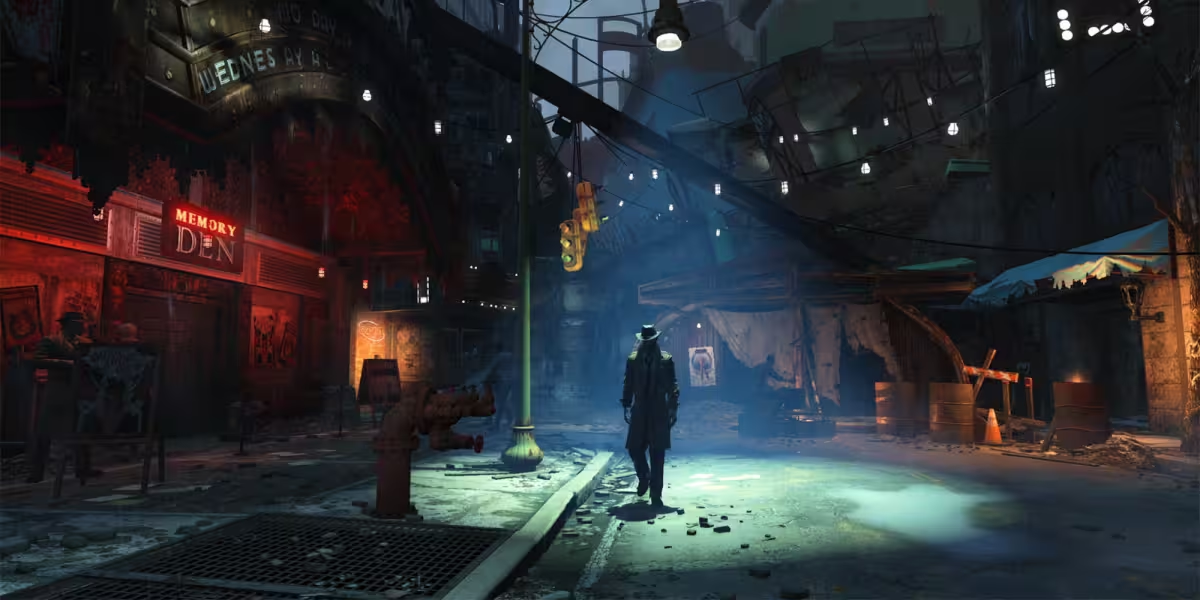

That thematic shift creates an immediate friction with the series’ identity. Metro has traded in cramped tunnels and mutated antagonists for years; the new trailer suggests the next installment will ask players to navigate political machines as much as flesh‑eating aberrations. The result is a darker, more explicitly human story thread running alongside the series’ survival mechanics, a tone change the footage underlines even as it keeps many familiar gameplay cues intact.
Visually and mechanically the trailer mixed perspectives to sell both gameplay and cinematic beats. First‑person sections show the tactile handling of firearms and the claustrophobic sightlines the franchise is known for, while custom camera work frames set pieces and propaganda moments that hint at larger conflicts above and below ground. The Shatun and the new items on display give a sense of evolving combat options; new mutant variants and environmental interactions imply the studio is expanding both encounter design and exploration tools.
Production context remains brief but relevant: Metro 2039 is being developed in Ukraine and in Malta. The close look offered at the Xbox showcase is the first extended public demonstration of the title, and the February 2027 release window sets a concrete timetable for when players will test how those cinematic and mechanical choices land in full play.
What the trailer did not resolve is exactly how the series’ balance of horror, stealth and survival will change when the game’s story places human regimes at the center. Metro 2039 will arrive in February 2027 on Xbox Series S|X, PlayStation 5, Steam and the Epic Games Store; between now and launch, the unanswered question to watch is how much of the game’s design will follow the trailer’s political focus and how much will remain rooted in the mutant‑driven threats that long defined the series.