




Dylan Larkin, the 29-year-old longtime captain of the Detroit Red Wings, has requested a trade this offseason, league sources said, setting off a rapid reassessment across the NHL about where a top-six center with a full no-trade clause could land.
The mechanics matter: Larkin is 29 and holds full no-trade protection, and Detroit is looking to win now — a combination that makes any deal unusually difficult and potentially expensive. League chatter suggests Detroit probably wants more than first-round picks and pieces that can help immediately, not just futures.

This week, The Athletic asked its NHL staff to sort teams into four categories for a potential Larkin trade, and the roster-by-roster thinking makes clear why the market is messy. Anaheim surfaced because Mason McTavish has not locked down the No. 2 center spot, so Larkin could plug an obvious hole there. The Buffalo Sabres were listed as a team that should at least make inquiries. Conversely, Calgary was described as rebuilding and therefore less inclined to assemble the premium package Detroit would demand.
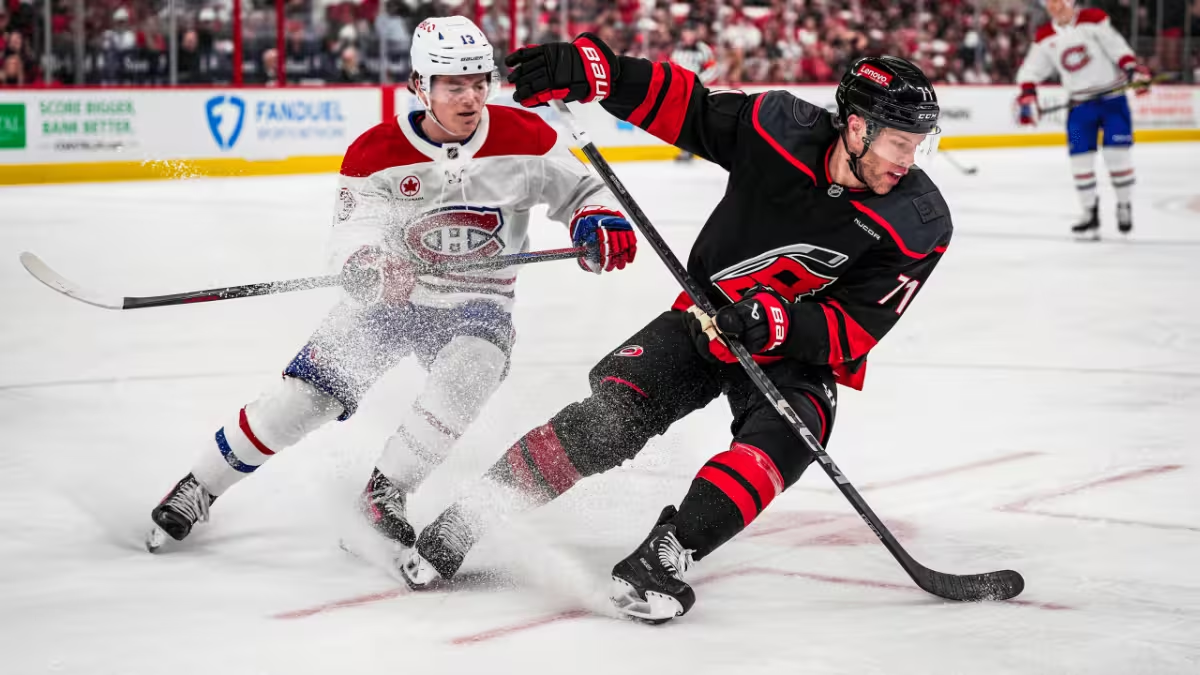
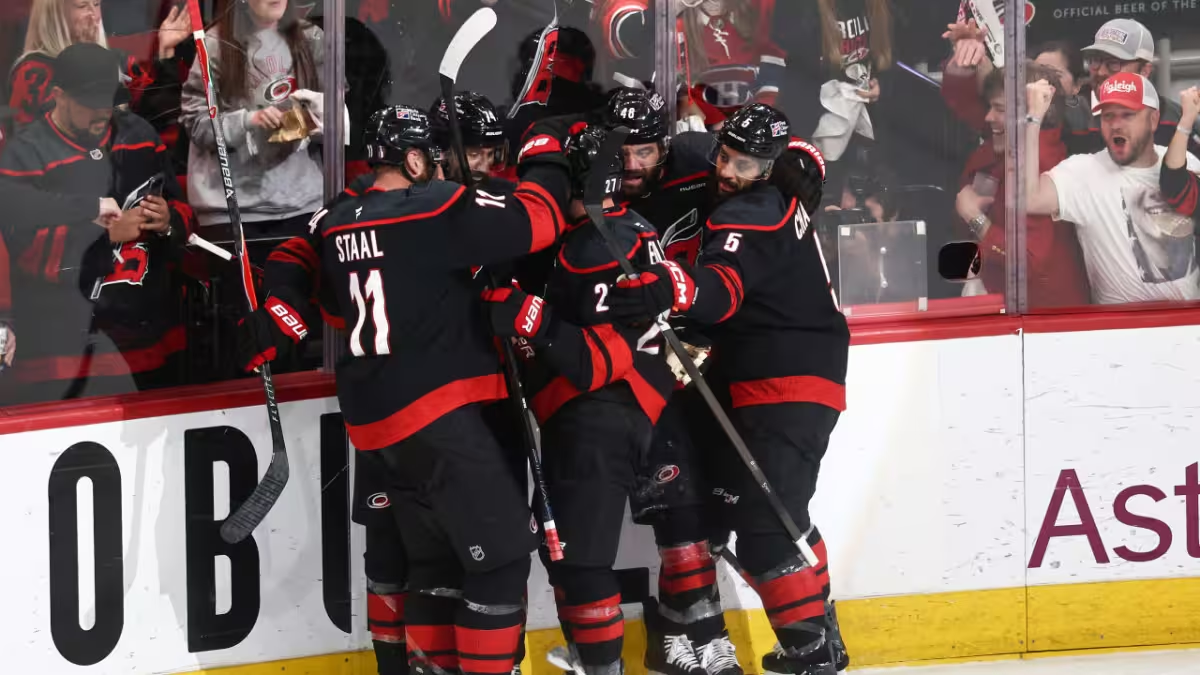
Other teams’ internal situations blunt or boost their interest. The Colorado Avalanche look set at center with Nathan MacKinnon (signed through 2031), Brock Nelson (signed through 2028) and Nazem Kadri (signed through 2029) — those three centermen account for a combined $25.7 million and leave little room or need for another top-line pivot. The Carolina Hurricanes have Logan Stankoven as a second-line option and Jordan Staal under contract for one more season, though coach Rod Brind'Amour has long admired Larkin.
Chicago presents a clearer match on paper: the Blackhawks are openly seeking viable top-six forwards and believe Larkin’s contract would fit their cap picture. That makes them an intriguing suitor because cap fit and roster need are two of the few boxes a team can check without forcing Detroit to accept a lesser return.
Boston occupies a specific friction point in the debate. The Bruins do not have a true No. 1 center and would benefit from Larkin’s skill set at the top of a forward group, yet their stated priority is landing a high-end right-shot defenseman. That creates a practical barrier: even if Larkin makes sense for Boston on ice, the Bruins may prefer to use their assets and salary capacity to address the blue line first.
Put together, the assessments show why a trade is plausible on paper but far from inevitable. Teams that both need a center and can meet Detroit’s competitive timeline are few. Some clubs could make exploratory calls; others are blocked by contract depth, cap structure or alternate roster priorities. The Athletic’s four-category exercise makes the invisible calculus — fit, cap, desire, and Detroit’s asking price — visible, but it does not produce an obvious winner.
What to watch next is concrete: whether a suitor will assemble the tangible package Detroit wants and whether Larkin will waive his full no-trade clause for that team. Detroit’s insistence on immediate help and more than high-round picks sharpens the gap between interested parties and a completed deal. Until a club meets both Detroit’s competitive timetable and Larkin’s approval, the reported request will mostly shape headlines and offseason trade chatter rather than trades on the ledger.
For readers tracking related roster movement and playoff-era personnel shifts, this sits alongside other late-season threads — see Jack Eichel says Golden Knights are playing their best hockey as they head into Game 2 and Hockey Playoffs: K'Andre Miller Cradled His Son on the Bench After Clinch for context on how clubs balance short-term pushes with longer-term construction.



