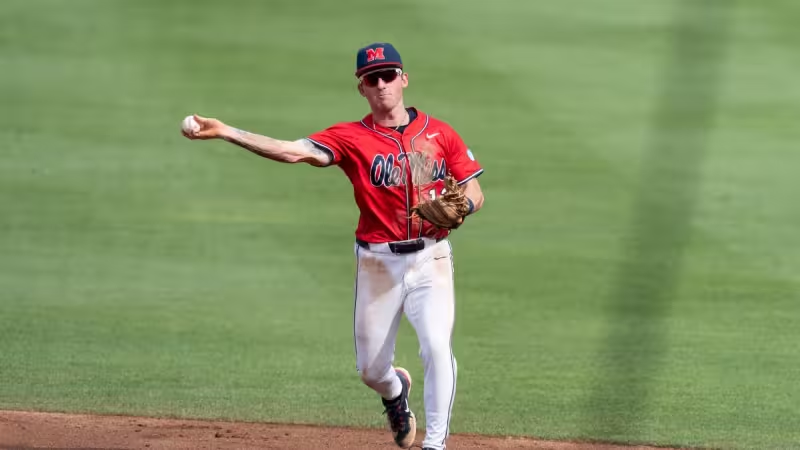
Ole Miss beat Auburn 5-3 on June 6, completing a sweep of the NCAA super regional and punching the Rebels’ ticket to the College World Series for the first time since their 2022 title run.
The game’s decisive swing came in the bottom of the sixth. With the score tied 2-2, Judd Utermark ripped an RBI double that drove in two runners, one of them second baseman Dom Decker, who dove home head-first to convert the go-ahead run.

Decker’s score carried more than the numbers. Earlier in the game he was hit by a pitch and, when he went to the ground in the batter’s box, bloodied his left knee. He still reached and later slid across the plate despite the injury — the image of a player bleeding but refusing to be held off the bases underlined how the evening unfolded.
The final line, 5-3, left no doubt about the result, but it doesn’t erase the moments that made it. Utermark’s two-run double broke the tie and produced the decisive margin; Decker’s gritty finish supplied the kind of lift that turns a close game into a series-clinching moment.
That victory ended the super regional without the extra day of drama some expected. By sweeping Auburn, Ole Miss advanced directly to the College World Series, returning to the field it last occupied after claiming the national championship in 2022.

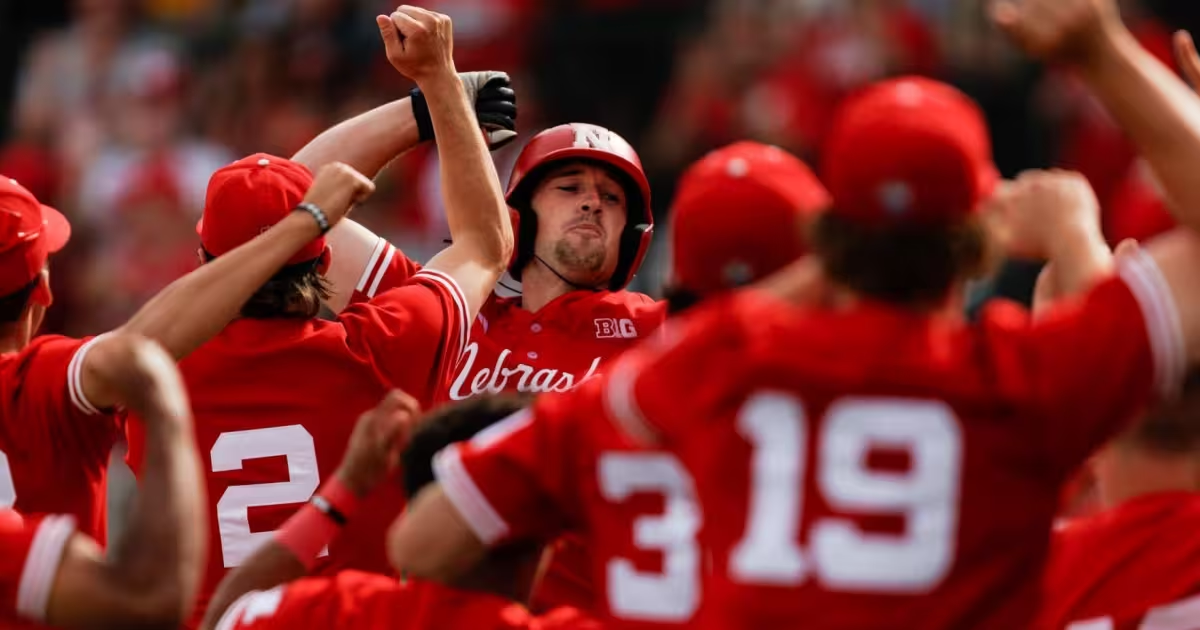
For Auburn, the loss closes a postseason run that met its match in a Rebels lineup that manufactured runs when it mattered. For Ole Miss, the reward is clear — a berth among the eight teams that will converge for the sport’s culminating tournament.
Beyond the headline plays, questions remain about the full sequence of Ole Miss runs in the 5-3 final. The facts show Utermark’s double produced two RBI and that the game was tied before that swing, but the specific play-by-play that produced every other Rebel run is not laid out here. That gap matters for anyone tracking how much of this victory was the work of one clutch inning versus broader lineup production.
The bloodied-knee image is the night’s tension: a player struck by a pitch, going to the ground in the batter’s box, then later sliding home head-first to tie the game and change the momentum. It is not a neat narrative — it complicates a box-score account with a visual and a question about durability and will — and it helps explain why this particular win will be remembered inside the Ole Miss clubhouse.
Utermark and Decker emerge as the central figures of the decisive moment: one with the hit that drove runs in, the other with the feet that turned those runs into a lead. Both, in different ways, turned a tied late-game score into a series-ending margin.
What comes next is straightforward and immediate. Ole Miss advances to the College World Series, reclaiming a place it last held after winning the national championship in 2022. The practical question now is whether the Rebels’ blend of clutch hitting and scrappy finishes — epitomized by Utermark’s double and Decker’s slide — will carry them through the deeper, higher-stakes rounds in Omaha.
The single most consequential unanswered question after June 6 is how repeatable this performance will be: can Ole Miss rely on late-inning heroics and gutsy baserunning against the country’s best teams in the College World Series? The win answered the season’s immediate task — advance — and left that sharper question as the season’s next test.