



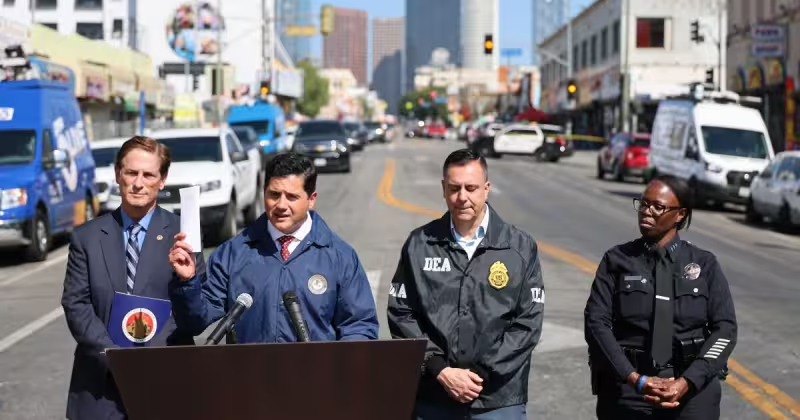
A federal prosecutor said Friday the U.S. attorney’s office in Los Angeles has multiple election-fraud investigations underway and sent Assistant U.S. Attorney Robert Renner to a Los Angeles County ballot processing center to observe vote counting.
Bill Essayli, the federal prosecutor who announced the activity, said his office is working with the FBI in Los Angeles and that prosecutors will follow evidence wherever it leads and prosecute violations of federal election law to the fullest extent. County election officials confirmed Renner arrived Friday morning, received an overview of the public observation program and took part in a walkthrough of ballot processing operations.

The announcement lands as California election officials reported that about 5.6 million ballots had been processed by Thursday evening and an estimated 3.6 million additional cast ballots remained to be counted. The Los Angeles registrar’s office emphasized that the visit fit within the county’s routine, appointment-based public observation of ballot processing.
California’s vote-by-mail system and rules that allow ballots postmarked on or before election day to be received and counted within days afterward mean results often take time. That delay has become central to the moment: counting continues while federal prosecutors say they are pursuing multiple lines of inquiry, but they have not identified any targets or alleged misconduct publicly.
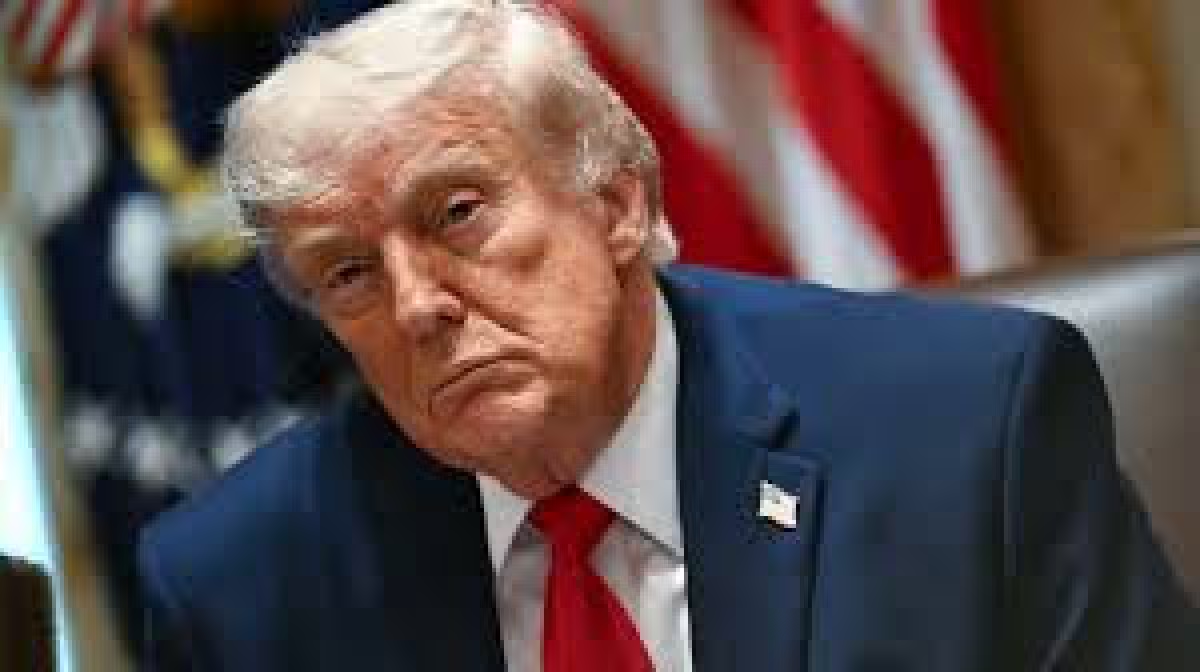
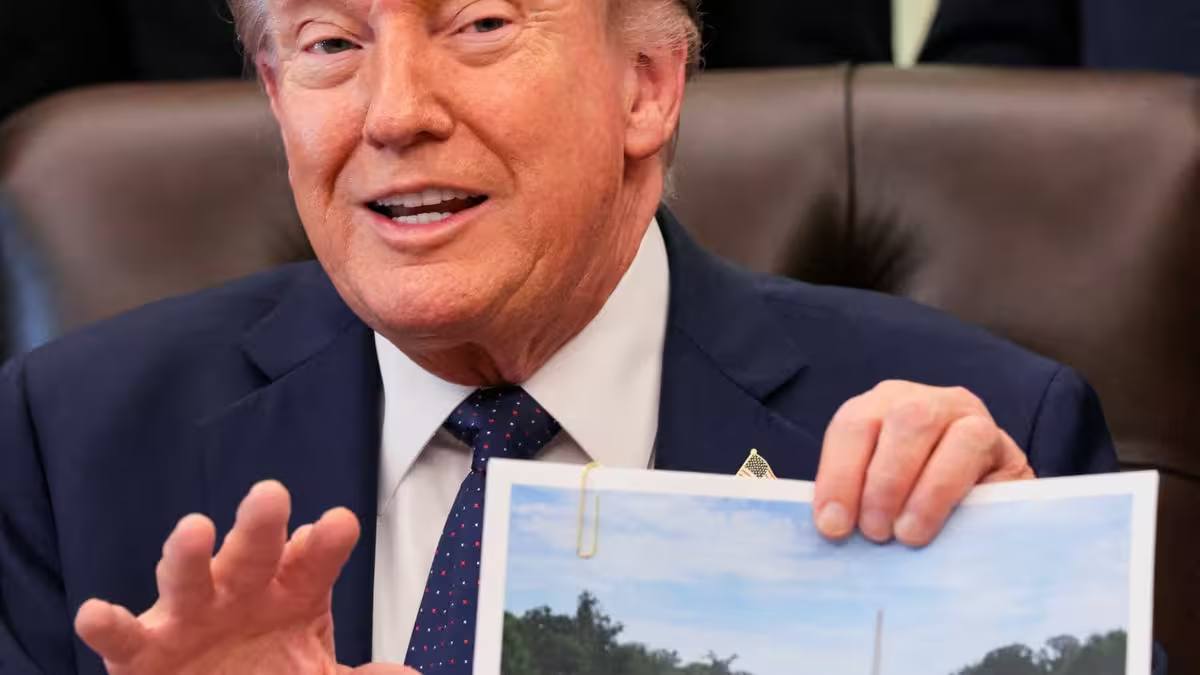
The federal announcement came after former President Donald Trump posted on social media late Wednesday alleging Democratic cheating in the state’s primary and saying the U.S. attorney’s office was investigating. Trump wrote that there was "BIG cheating by the Dumocrats" and questioned why counting was delayed. State officials pushed back: Secretary of State Shirley Weber said Thursday that taking time to count ballots correctly protects voters’ rights and ensures election integrity.
The visit by a federal prosecutor deepens a friction that has appeared since the polls closed. Supporters of the criticism point to the volume of outstanding, legally eligible ballots and the slow pace of returns; election authorities and the county registrar say the process is deliberate, transparent and open to observers. The registrar told investigators were notified late Thursday that a government attorney would attend, and that the arrangement was consistent with the office’s public-observation program.
That contrast — loud public claims of wrongdoing versus a narrow, routine federal observation — is the clearest unresolved issue. Essayli’s disclosure confirms federal scrutiny in California but does not tie the investigations to specific races, ballots or alleged improprieties. The office declined to identify cases, which leaves a gap between political accusations and the prosecutorial record.
Practical stakes are immediate. Millions of ballots remain in play under state rules that permit receipt within days after Election Day, and county officials continue processing those ballots with observers present by appointment. A projection Friday evening showed Xavier Becerra advancing to the general election field, with Steve Hilton and Tom Steyer contending for the second spot — outcomes that could shift as additional ballots are counted.
What happens next is simple to state and hard to predict: prosecutors have said only that investigations are ongoing and will follow evidence; they have not announced targets, charges, search warrants or subpoenas. The single most consequential unresolved question is which specific practices, locations or ballots are under review and whether those inquiries will yield charges or simply close without action. Until federal prosecutors disclose more about the scope and focus of their work, California’s lengthy, rule-based ballot count will proceed under normal observation rules while political claims of cheating remain unproven.



