




If you’re heading to a Cubs game at Wrigley Field, plan like you mean it. The ballpark is compact, the neighborhood fills fast, and small choices — when you leave, what you carry, and how you arrive — decide whether you spend the night watching baseball or waiting in line.
Start with tickets. Mobile entry is the norm now; carry the app or a screenshot and make sure the account you purchased through is logged in before you reach the gate. If you bought from a reseller, forward the ticket to your phone ahead of time. Paper backups still exist but are rare and slow to process at turnstiles.

Transportation matters more than seat location. Wrigley sits inside a busy residential grid. Public transit and rideshares drop you closer than driving. If you must drive, expect limited parking and long walks from lots that open and clear at different times. Factor in postgame traffic when you pick a way home.
Get to the ballpark early. The best time to enjoy the neighborhood and avoid bottlenecks is before the crush. Early arrival lets you walk the plaza, buy food without long waits, and get photographs of the ivy and scoreboard without shoulder-to-shoulder crowds. Early also means easier entry if security or ticketing runs slow.
Know what you can bring. Wrigley’s concourses are narrow and queues form quickly; simple, small bags move faster. Expect standard security screening. If you want to carry a water bottle, a compact clear bag, or a minimal daypack, plan accordingly so you aren’t turned away at the gate or held up while staff inspect your items.

Food and drink are part of the experience but they are not instant. Concession lines spike between innings and after the sixth. If you want fried food or specialty items, order between innings or buy before the first. Many fans split trips: one person gets food while another holds seats. Consider time spent in line when choosing your seats — standing-room and concourse spots are convenient for quick returns to the action.
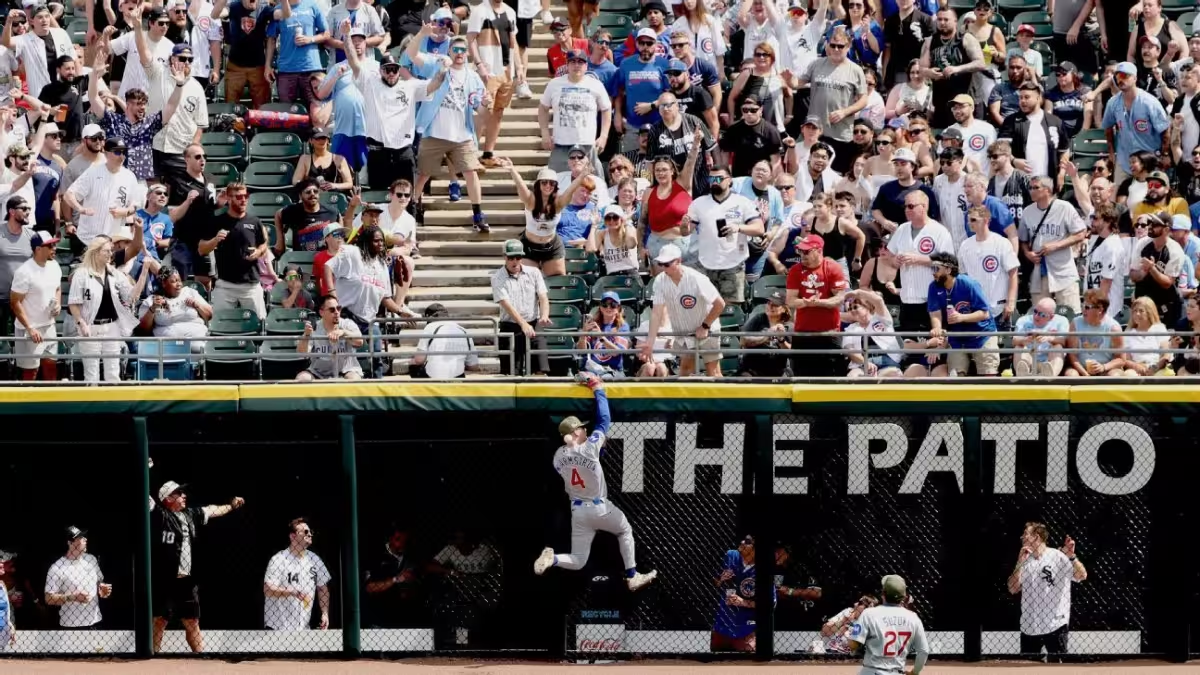
Expect the atmosphere the locals came for. The bleachers draw loud, vocal support; the lower-box sections are where families and groups settle in. Singing, chants, and rooftop cheers ripple through the neighborhood. If you prefer quieter surroundings, aim for higher-numbered sections away from the outfield crowds.
Phones and photos are welcome, but the game moves. Choose a spot where your camera won’t block the view and be ready when a play happens; lengthy, obstructive setups frustrate those behind you. If you’ll stream or post during the game, have a backup plan if cellular service becomes congested — quick snapshots beat long uploads in a crowded stadium.
The friction most fans face is not the team on the field but the logistics around it: ticket transfers, entry lines, and neighborhood crowding. A little prep softens all of it. Confirm tickets, charge your phone, agree on a meeting spot with your group, and pick a public-transit exit to avoid competing flows of people at the same corner.
What to do if plans change: don’t rely on last-minute purchases on the walk to the ballpark. If bad weather threatens or a member of your party can’t make it, transfer tickets early or sell through an official marketplace tied to your account. That preserves resale protections and avoids paper handoffs at the gate.
Leave with a simple rule: give yourself more time than you think you need. Arrive early to enjoy the place, treat logistics as part of the evening, and expect the unexpected. If you do that, a Cubs game becomes less a test of patience and more what it’s meant to be — a night at Wrigley where the ballpark and the neighborhood together make the event.



