



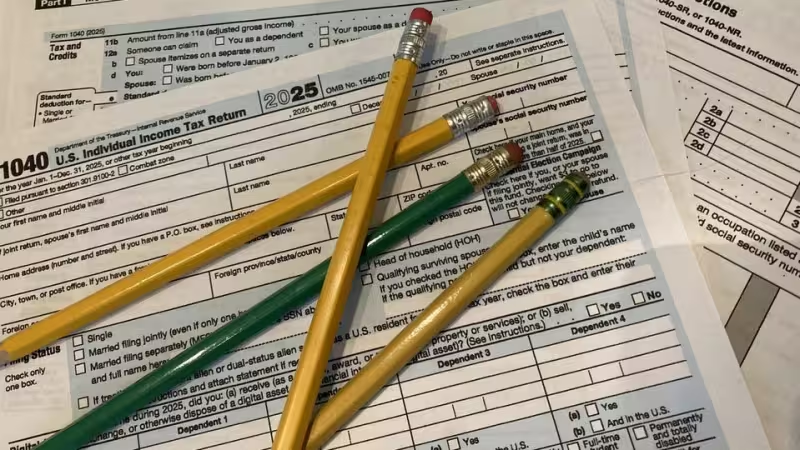
Mississippi's federal and state tax filing deadline has been extended to June 8, 2026, giving residents and businesses in all 82 counties extra time to file returns and make tax payments after Winter Storm Fern.
The relief, announced in April by the Mississippi Department of Revenue and the Internal Revenue Service, covers filing of individual and business tax returns and many tax payments that would otherwise be due earlier this spring. Officials said the extension applies to all IRS deadlines that fell between Jan. 23 and Monday, June 8, 2026.

That broad sweep means quarterly payroll and certain excise tax returns normally due Feb. 2, 2026, and April 30, 2026, were included in the relief package. The agencies also said penalties on payroll and excise tax deposits due on or after Jan. 23 and before Feb. 9 would be abated if the deposits were made by Feb. 9.
The short timeline matters: taxpayers who planned around the usual April deadlines now face a single new date — June 8 — to meet both filing and payment obligations covered by the relief. For people wondering which deadline counts as the operative date, June 8, 2026, is the confirmed next deadline for returns and payments included in the extension.
The extension is tied directly to Winter Storm Fern, which began Jan. 23, 2026, and in late February was estimated to have caused about $107 million in damages across the state. The Department of Revenue and the IRS described the move as disaster relief to accommodate taxpayers and tax preparers who suffered power outages, business interruptions or lost access to records during and after the storm.



Not all tax dates moved automatically, however. As the Mississippi Department of Revenue warned, "The extension does not automatically apply to any other tax types or payments due on prior liabilities" — a reminder that the breadth of the announcement has limits and that taxpayers with older liabilities or different tax types should not assume they are covered.
The department said it will work with people who live outside the state but have business records or books in Mississippi, and with tax professionals who work in the affected area, to determine eligibility for the relief. That practical concession is aimed at businesses and preparers whose operations cross state lines but whose records are physically in the storm zone.
For payroll and excise tax filers the mechanics are relatively clear: returns normally due Feb. 2 and April 30 were included, and qualifying deposits between Jan. 23 and Feb. 9 will not face penalties if received by Feb. 9. Individual and business filers who rely on preparers displaced by the storm will generally be covered through the June 8 deadline, provided their obligations fell within the relief window.
The extension arrives against a backdrop of sweeping state tax changes passed in 2025. The Mississippi Legislature eliminated the state income tax that year and Gov. Tate Reeves signed the law. The plan phases out the income tax over up to a decade, setting a 4% rate by fiscal year 2027 and a target of 3% by 2030, with further cuts after 2031 activated by statutory triggers. The law also cut the sales tax on groceries by 2% and was designed to raise the gas tax by nine cents over three years to bolster infrastructure funds.
What remains unresolved is how many taxpayers and businesses will actually use the June 8 extension. The agencies did not provide an estimate. Taxpayers who think they qualify should confirm which specific filings and payments fall within the relief window and act before June 8, 2026; those with prior liabilities or different tax types should contact the Department of Revenue to determine whether their obligations moved or remain unchanged.



