




"It sucked," Jared Young said of the meniscus tear that cost him 43 days and, briefly, a spot in the Mets' plans — and then he walked into Friday's lineup hitting.250 with five runs, one double, two homers, three RBIs and four walks in eight games since returning from the injured list.
The numbers are stark against the hole the Mets found themselves in while he was out: Young had been.295/.373/.500 with two homers and five RBIs in his first 19 games this season before the April 12 injury, and his hot return — including a.467 clip against fastballs and a.333 mark against right-handed pitching with five extra-base hits — has given New York a useful right-handed bat at a moment the club needed one.

"He’s shorter to the ball, on time," manager Carlos Mendoza said, pointing to the tweaks behind Young's quick production. Mendoza added that Young had shown swing-and-miss issues last year but has made adjustments: "There was some swing and miss from him [last year], especially against that pitch at the top of the zone, but we’ve seen him make some adjustments and that’s what good hitters do, and I think the more that he continues to get opportunities, the more he continues to play, [it] allows him to make those adjustments."

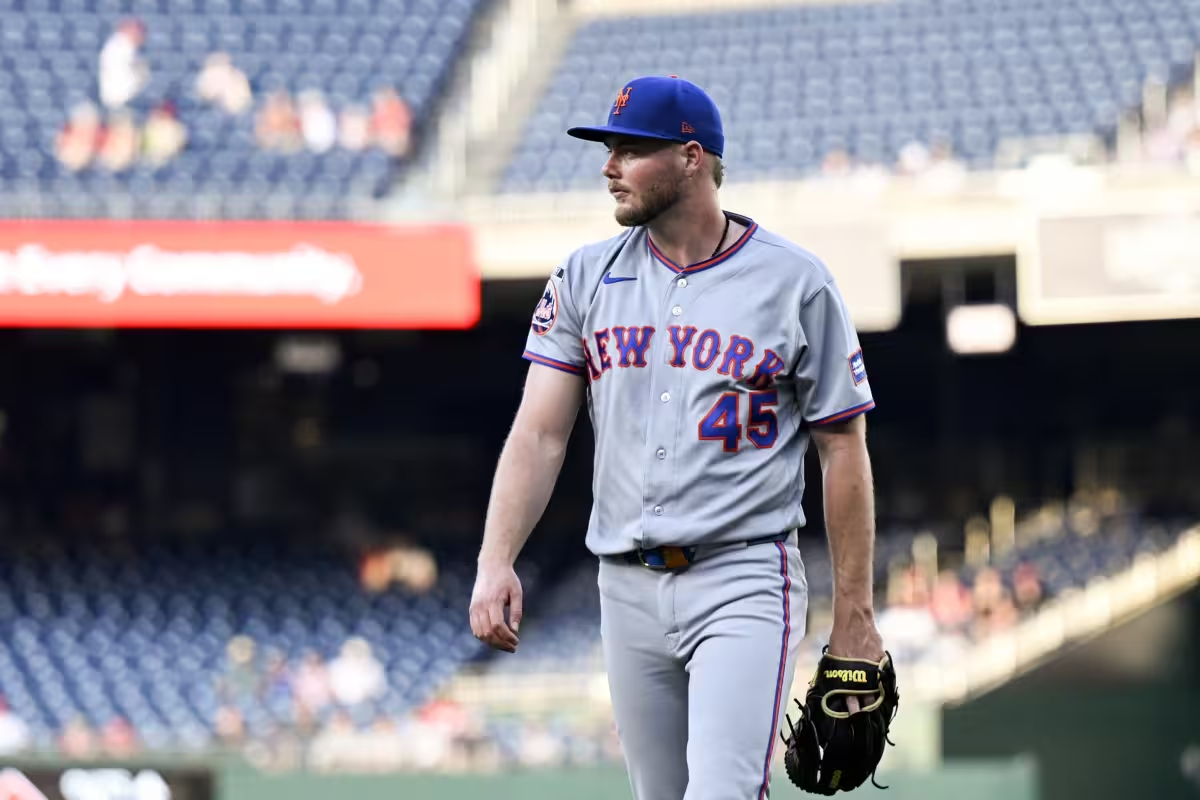
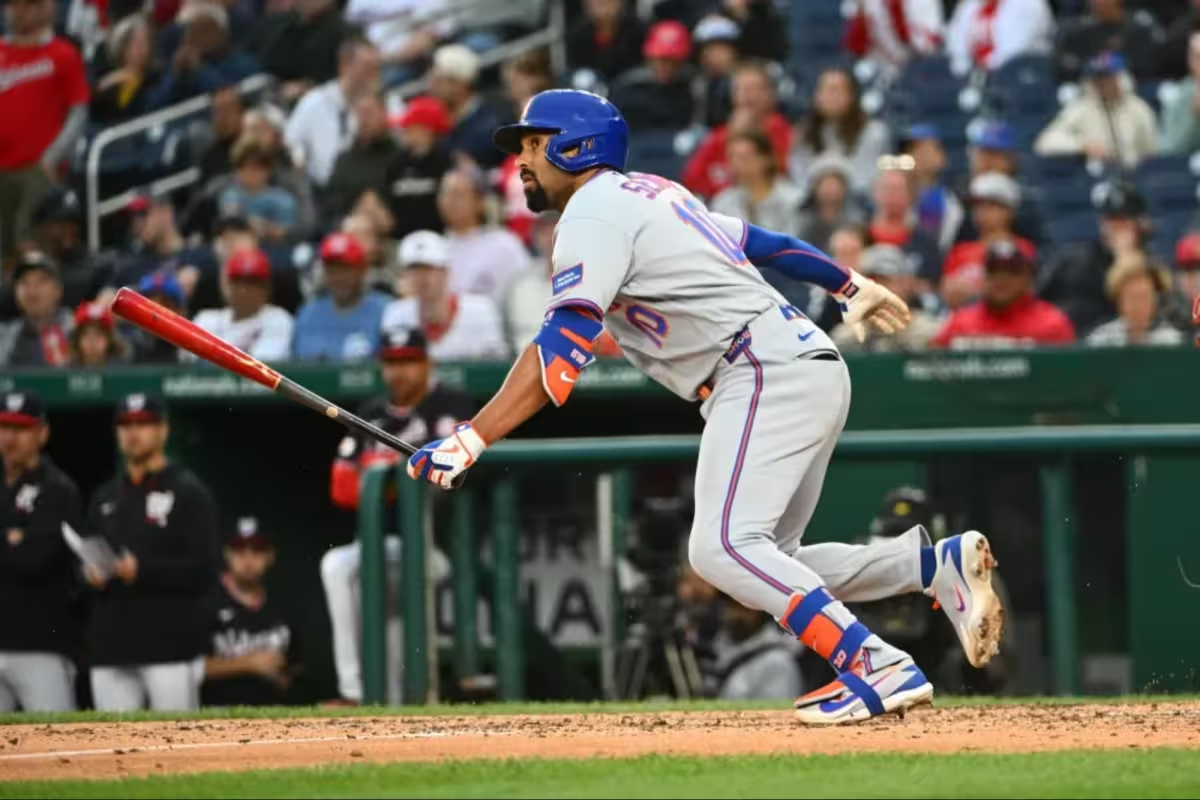
The comeback matters because Young's absence coincided with a rough stretch for the Mets: they dropped into a 12-game losing streak and struggled on both sides of the ball. With Mark Vientos scuffling defensively and hitting just.190 against righties, Young's ability to thrive against right-handed pitching has created immediate lineup value he didn't have in spring training, when he hit just.150 in eight games and was considered unlikely to make the Opening Day roster before an injury to Mike Tauchman opened an opportunity.
Young's path to this moment is not linear. He played 22 games with the Cubs over two years before being placed on outright waivers in 2023, spent a season in Korea, and then hit.300 in 75 games with Triple-A Syracuse in 2025 to earn another major-league chance. The injury on April 12 interrupted that momentum; Young himself described the challenge plainly: "There’s not really [anything you can do keep your timing]. You can’t really replicate at-bats and I can’t take any when I was able to move my legs, so there wasn’t a whole bunch I could do."
The tension now is practical: Young has answered with production, but the Mets still have Jorge Polanco waiting in Triple-A Syracuse. Polanco was expected to be activated Friday but will remain in Syracuse for the time being, with Mendoza saying Polanco will primarily serve as a designated hitter when he returns and urging him to "continue to build volume there." That raises the simple question the Mets must resolve — how long will they keep Young in a regular role once Polanco is ready?
For now the answer leans toward more playing time for Young. His immediate output, the matchup advantage against right-handers and Mendoza's willingness to keep giving him at-bats suggest the Mets will keep exploiting what is working. Young put the personal side on it: "Being stubborn in baseball’s not always a bad thing," he said, and for a team that needed offense and a player who needed a rebound, that stubbornness has so far paid off.



