Karl-Anthony Towns finished with 18 points and the New York Knicks beat the San Antonio Spurs 105-95 in Game 1 of the NBA Finals on June 3, 2026, handing New York a 1-0 series lead.
That stat line understates Towns’s impact. The Knicks trailed by 14 early before rallying, and Towns’s defense and decision-making helped steady a team that was shooting poorly — "We’re at 34 percent (from the field). Whatever," he said during the game. For karl anthony towns stats in context: 18 points, a physical presence on the glass and repeated defensive assignments on Victor Wembanyama as New York clawed back to win.

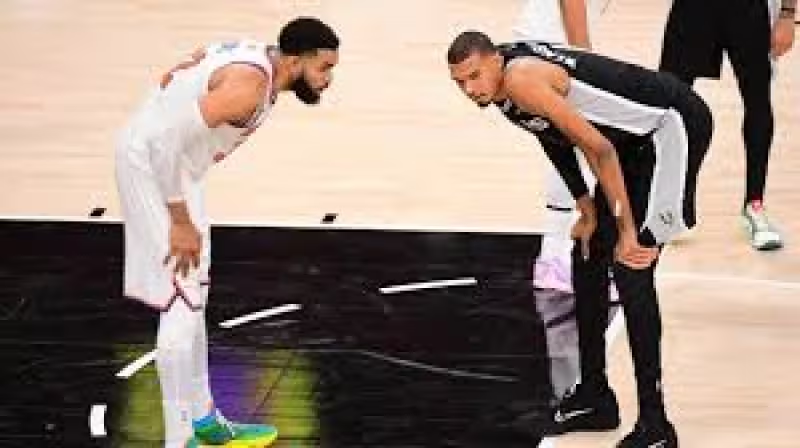
Towns set the tone in the opening minutes by going right at Wembanyama twice. He scored his first two baskets by driving past his defender and scoring at the rim from about 30 feet from the basket, then did not make any more field goals against Wembanyama after those early attacks. He guarded Wembanyama more than anyone else in Game 1 and, when the Spurs matched smaller defenders on him, bullied those players on the glass; on offense he also pulled Wembanyama away from the hoop, creating space for others.
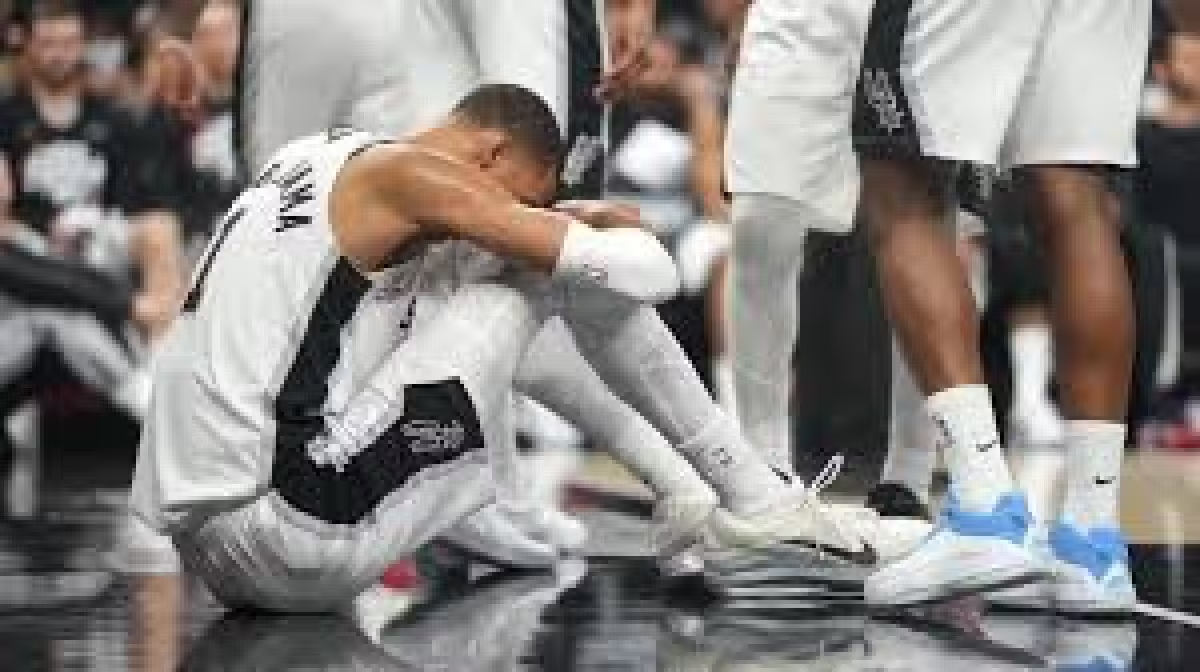
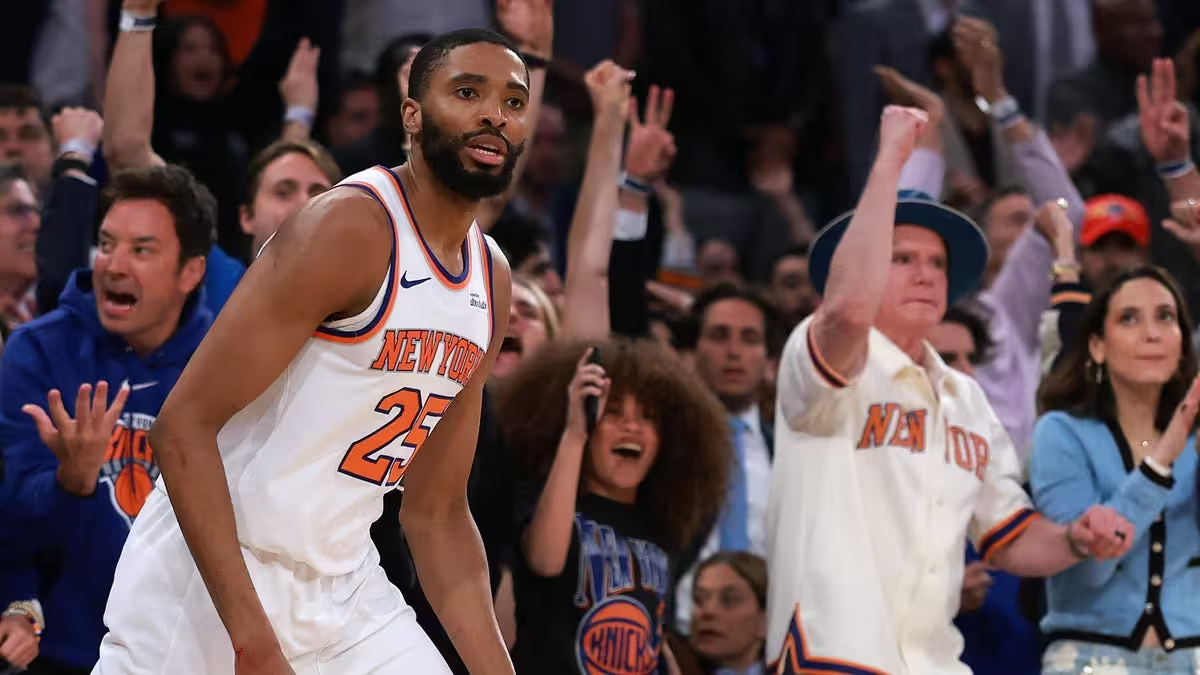
His remarks after and during the game made clear the choice: offense could wait if defense held. "Until the offense catches up, we gotta keep playing defense this way," Towns told teammates, later adding, "We gotta keep playing defense this way. This will win us the game. Our offense will always catch up." He framed his own role in similar terms: "You just trust your work and you trust your decision-making, and I always say about being aggressive in playmaking: It may not be for the shot or get someone else a shot or get the hockey assist going." He repeated the offensive-intent theme plainly: "For me, when I go out there, I try to be aggressive in playmaking."
The Knicks’ comeback had precedent in Towns’s memory; he pointed to another early-season rally, saying, "It did in Game 1 in Cleveland (when the Knicks came back from a 22-point, fourth-quarter deficit)." That historical reference underlined the mix of patience and urgency he tried to instill as New York’s shooting lagged and the game tightened.
Jalen Brunson summed the locker-room response simply: "We have each other’s back." The line captures why Towns’s contributions matter beyond the 18 points — his defense and playmaking shifted the burden while the offense found its footing, and the Knicks left San Antonio with the advantage in a series where margins will be small.
The tension going forward is obvious: Towns is best known as a scorer, yet in Game 1 he prioritized defense and playmaking against the Spurs’ long, switching lineup. He repeatedly drew Wembanyama in ways that helped New York win; he also converted only those initial shots against him. Can Towns continue to hold his own against Wembanyama while keeping the Knicks’ defense at the level that rescued Game 1? That question now decides how threatening New York will remain as the Finals move to Game 2.