



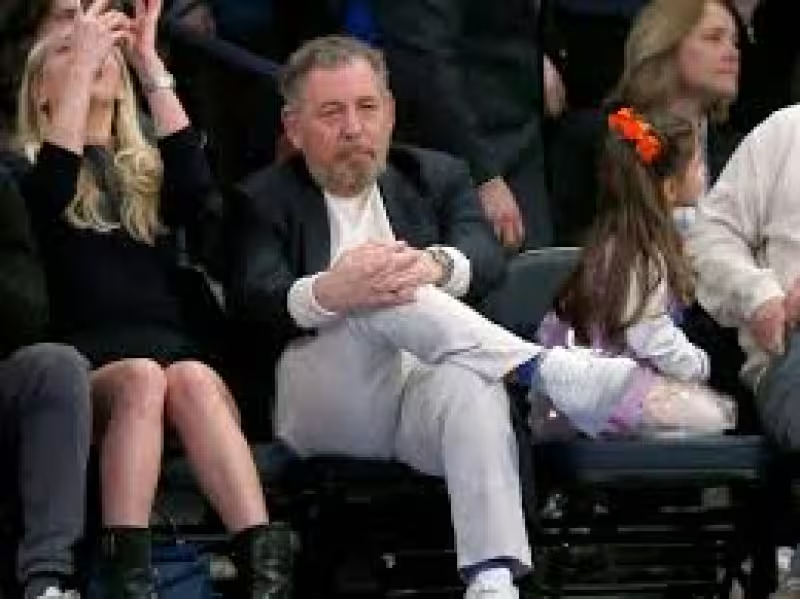
Adam Silver revealed, ahead of Game 1 of the playoffs, that he and Michael Jordan privately pressed James Dolan to lift Charles Oakley’s ban from Madison Square Garden — and that both efforts failed.
Silver’s disclosure puts a new public face on a dispute that has shadowed the franchise for years: the NBA commissioner said he and Jordan attempted to broker peace between the club’s former enforcer and its owner, but neither convinced Dolan to change course.

The immediate consequence is stark. Oakley, who was removed from a Knicks home game in February 2017 and escorted out in handcuffs after sitting a few rows behind Dolan’s courtside seat, remains barred from his old team’s arena. He has continued to support the Knicks during their playoff run, attending games in opposing buildings while barred from the building most connected to his career.
That contrast — Oakley welcomed almost everywhere else in the league but not at Madison Square Garden — is the clearest proof that the dispute is personal and unresolved. Dolan has accused Oakley of being verbally abusive; Oakley has denied those allegations and later filed a defamation suit after Dolan suggested he had an alcohol problem. The legal fight stretched on for years, yet the ban was never reversed.
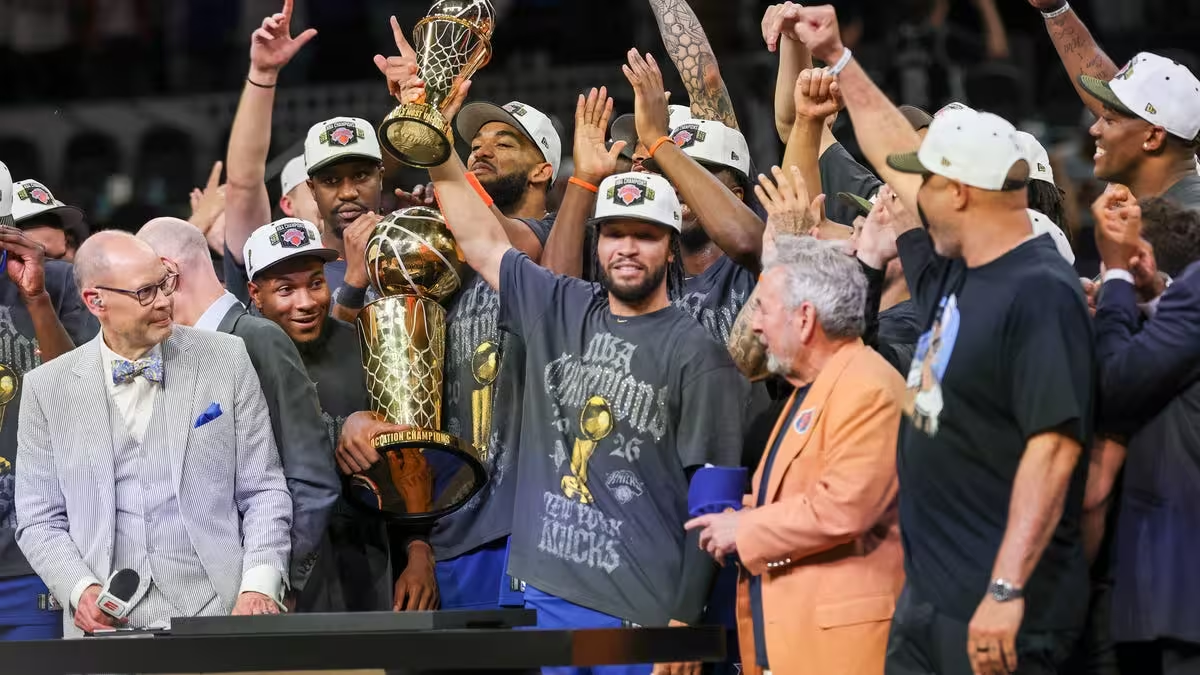
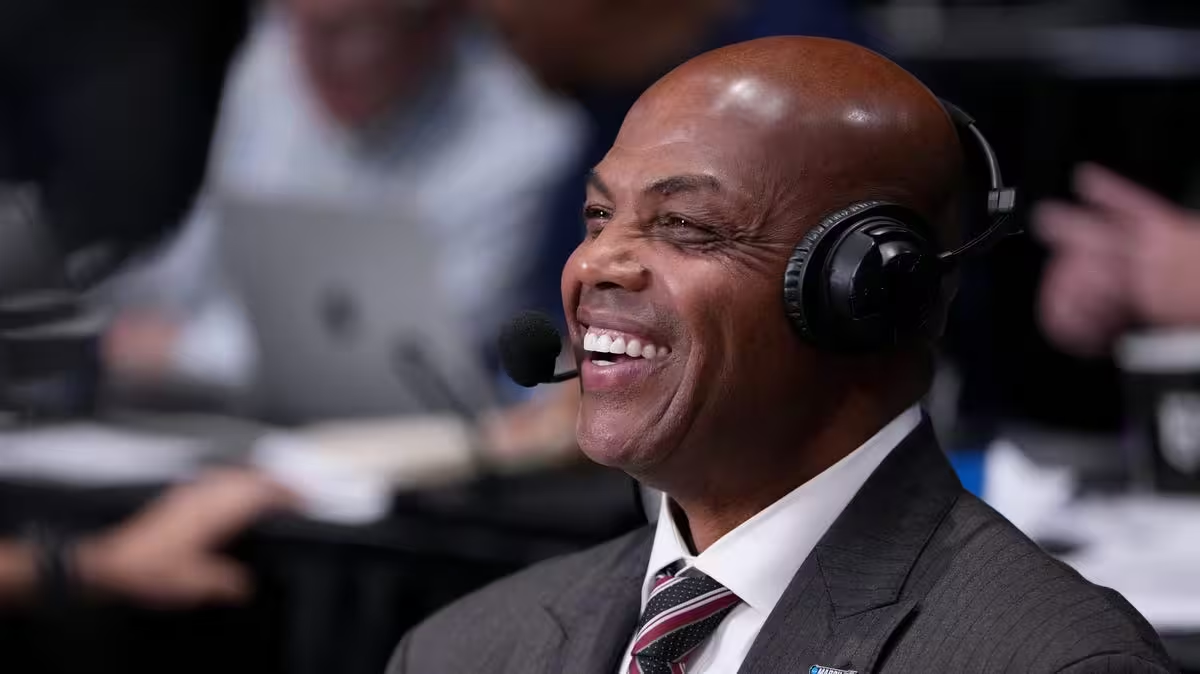
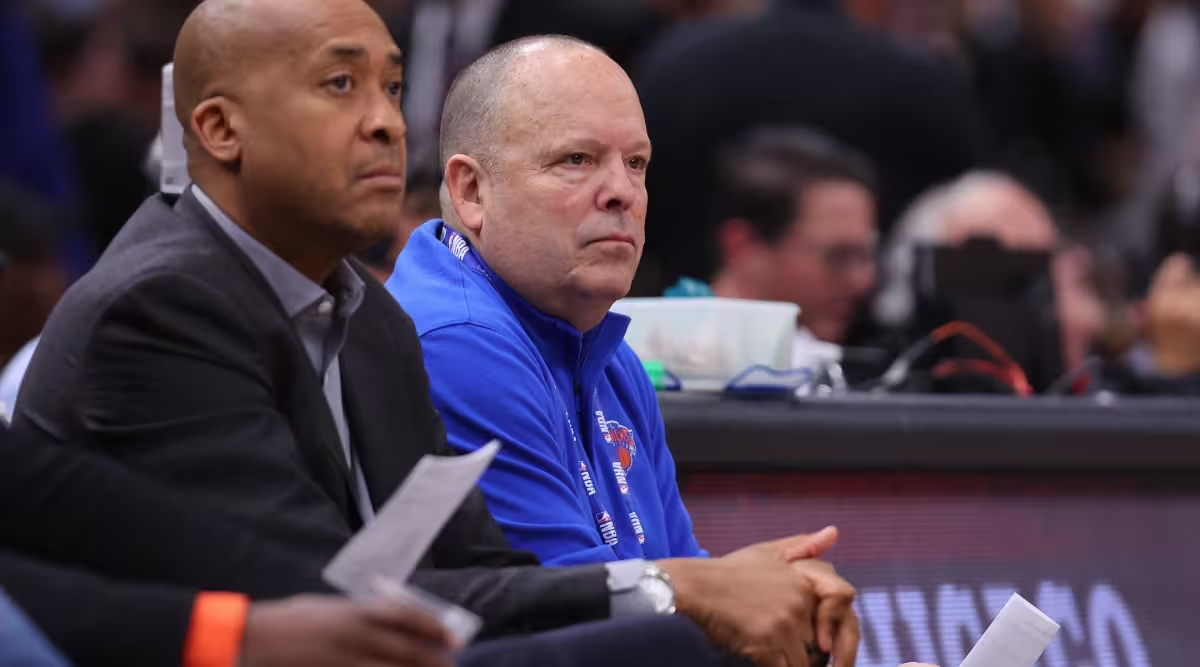
For Oakley, the public mediation by figures as prominent as Silver and Jordan underlines how the feud has become a matter beyond two private men. The commissioner’s intervention is notable because it is an appeal from the league’s top office to the owner of one of its flagship franchises — and because it failed. That failure keeps the ban intact during a playoff moment when the Knicks’ success has brought renewed attention to the team’s history and personalities.
Oakley’s presence at road games has been conspicuous throughout the postseason. He has been cheering the Knicks’ run behind Jalen Brunson from arenas around the country, a visible reminder to players and fans that the team’s former star is part of the organization’s story — except at its home court. League peers and rival arenas have largely welcomed him; Madison Square Garden has not.
The friction cuts two ways. Oakley’s steady attendance on the road has highlighted Dolan’s refusal to relent, making the ban a continuing public headache for the franchise. At the same time, Silver’s account — and Jordan’s involvement — suggests the league regards the dispute as disruptive enough to merit personal outreach, even if the outreach did not succeed.
What happens next is the remaining question. Dolan has kept the ban in place; Silver and Jordan were unable to change that. With the Knicks playing on and Oakley showing up elsewhere, the most consequential unresolved matter is simple and decisive: will James Dolan ever lift the ban that keeps one of the franchise’s most recognizable former players out of Madison Square Garden?



