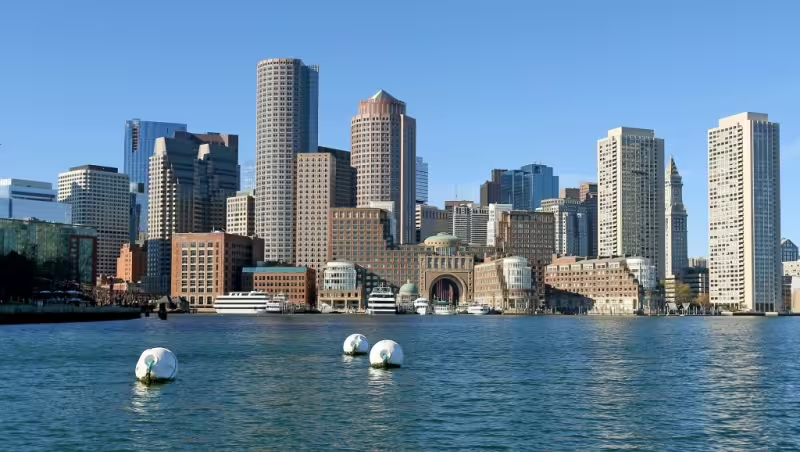
Boston Mayor Michelle Wu has eliminated the city’s green infrastructure office and fired its director, Max Rome, cutting loose a team that was created to carry out one of her Green New Deal promises. Rome said the move came with no warning and that he was escorted out of City Hall after being told he had been laid off.
The timing matters because the elimination landed alongside Wu’s proposed fiscal year 2027 budget, a $4.9 billion plan that would grow spending by 2.1%, the slowest pace since the Great Recession. For readers watching how the mayor handles climate work inside City Hall, this is a clear signal that green infrastructure is being reorganized even as Boston keeps talking about it.

Rome, who said he was hired at the end of last year and spent about six months in the role, wrote on LinkedIn Wednesday that he had been laid off a day earlier and told his position was gone. He told the Boston Globe he considered the termination “very sudden.” In his own words, the job was brief but meaningful: he said it was a special chance to learn and work, and that he learned and did as much as he could.
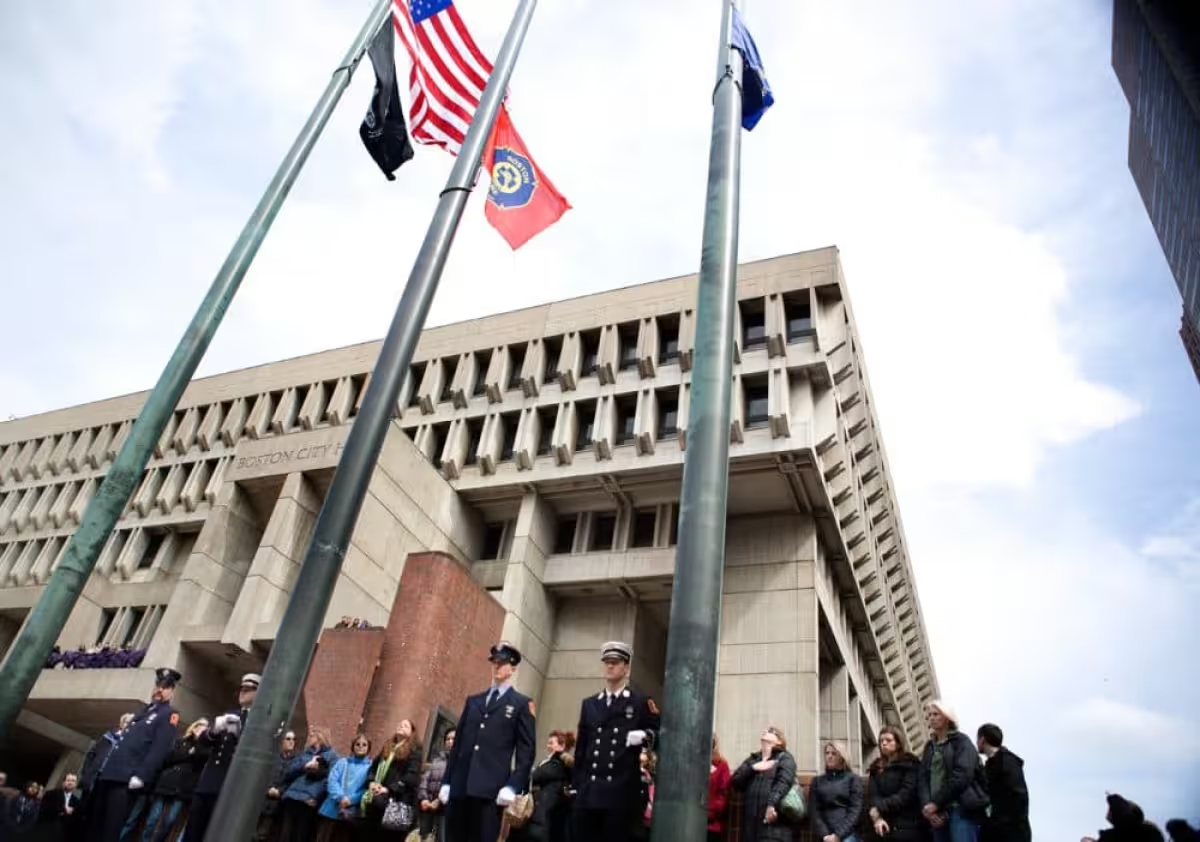
The office itself was not a recent experiment. Wu created it in 2022, shortly after taking office, to help implement the Green New Deal agenda she campaigned on, including a goal of carbon neutrality by 2050. Kate England was installed as the first green infrastructure director that same year alongside Green New Deal director Oliver Sellers Garcia, giving the office a visible place in the administration’s climate structure.
Now that structure is being pulled apart and folded into something else. Wu’s office says the work will continue in the Street Cabinet’s infrastructure and design team, and two other staff members from the green infrastructure office will stay on. Michael Osaghae said the office is being integrated into that team to fully incorporate green infrastructure planning into projects citywide, but the city has not said how much money the elimination of the office and director will save.
That missing number is the real unresolved piece. Wu has already put a new face on the broader open-space portfolio this month by naming Diana Fernandez Bibeau to a dual role that will include integrating green infrastructure into the city’s wider strategy, effective June 1. But Rome’s sudden removal, and the decision to erase the office he headed, show that Boston’s climate work is being shifted rather than expanded — and the budget, not the rhetoric, is now setting the terms.