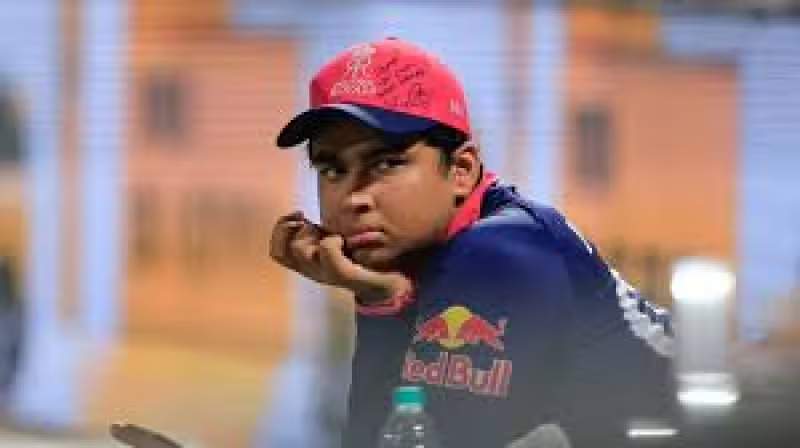
The Times of India published an article titled 'Cricket is a team game': Vaibhav Sooryavanshi reveals father's lesson on missed centuries, creating a sudden ripple in cricket conversations today.
The headline connected Sooryavanshi directly to the sport and to the emotionally charged idea of 'missed centuries'—a phrase that routinely drives fans back to live match trackers and IPL score pages to see whether a player’s near-miss came in a high-stakes game or a quiet fixture.

What proved most striking on inspection was how thin the published item actually was: the entry included only that headline and a standard Sports Desk boilerplate, with no quoted passage, no paraphrase of Sooryavanshi’s words and no context for the revelation. That absence converts a promising headline into a question mark — it signals a revelation without delivering the reveal.
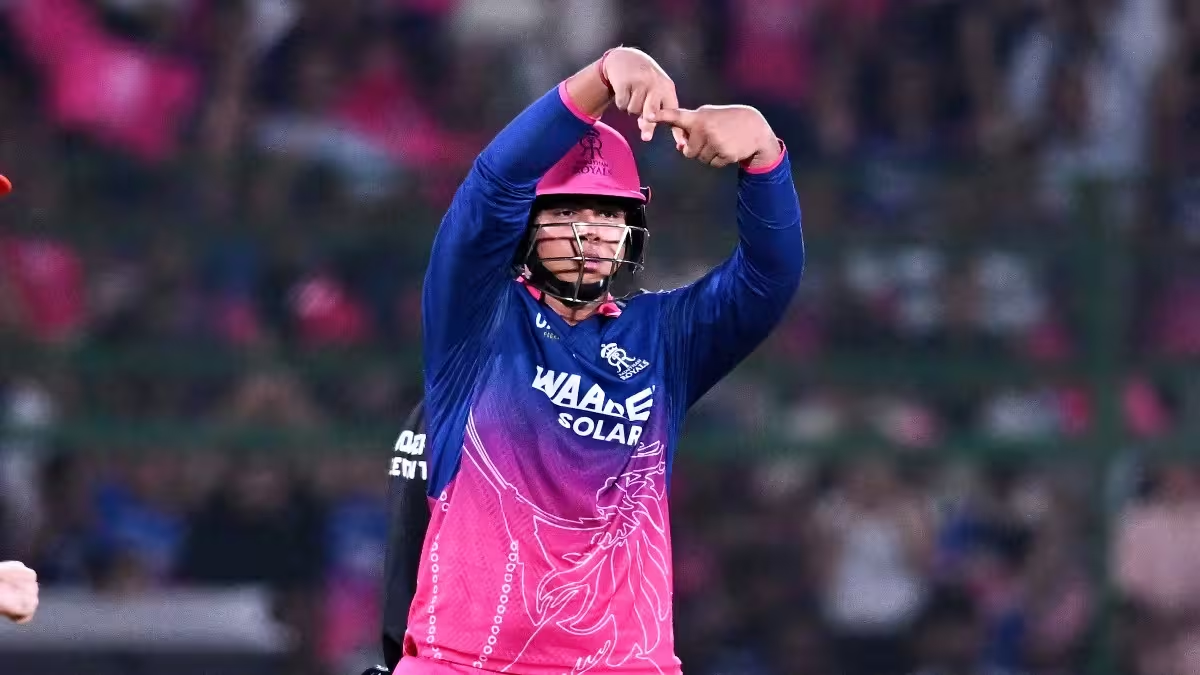
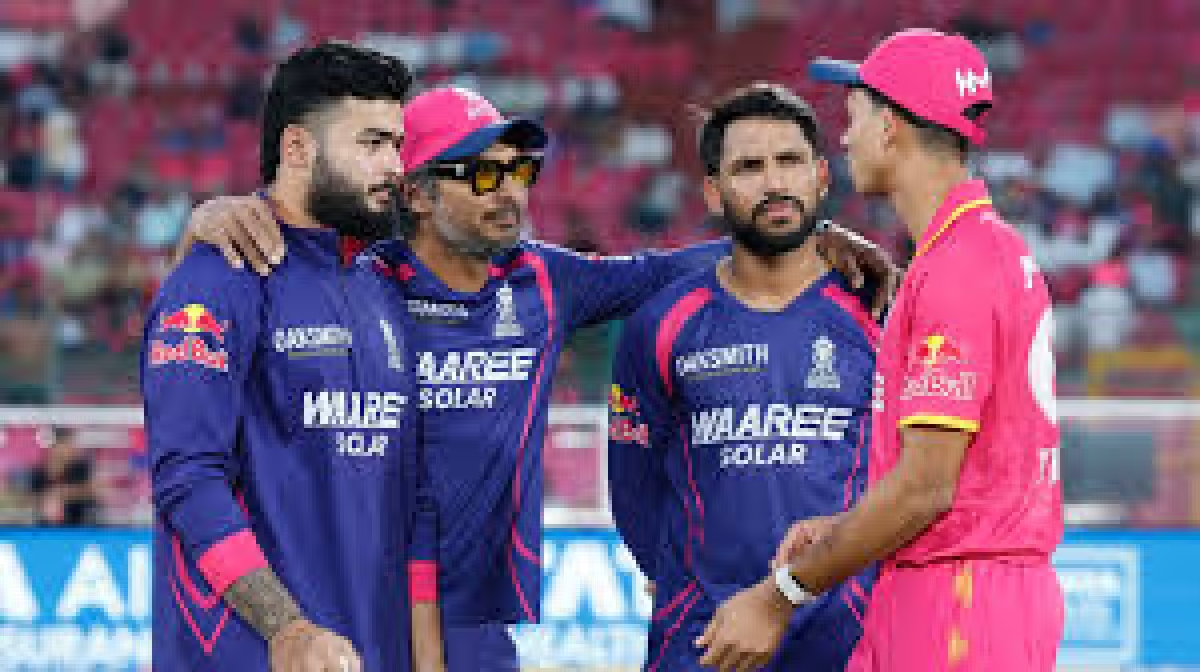
That gap is the story's friction. The headline promises a personal lesson, which readers expect to be specific — the sentence, the anecdote, the precise admonition a father gave after an innings that stopped at 98 or 89. Instead, the reader finds nothing to test the claim against: no detail on whether the lesson was about attitude, shot selection, teammates, team responsibility, or how to live with near-misses. The mismatch between headline and content creates two immediate problems: it leaves Vaibhav Sooryavanshi’s reported disclosure unanalyzed, and it makes the headline itself the news rather than the substance it promised.
That matters now because sports audiences are unusually impatient for texture. When a headline signals a personal revelation tied to performance, readers want the precise wording and the situation it addressed; they also use such prompts to check current match status, often by searching for IPL score updates to see if the comment related to a recent game. Without the quoted passage or a clear link to an innings or match, the headline functions primarily as a prompt — pushing attention toward Sooryavanshi without resolving what he actually said or why it matters to his form or his team.
For the reader the most consequential unanswered question is simple and sharp: what exactly did Sooryavanshi’s father tell him about missed centuries? The absence of that sentence prevents any meaningful reading of how the lesson shaped the player’s approach to batting, selection decisions, or team dynamics. Until that line appears — in a fuller interview, a follow-up story, or a direct statement from Sooryavanshi — the headline remains an unfulfilled promise and a cue for further reporting rather than a completed piece of information.
The next step is clear: full copy or verified comment. If editors publish the missing detail, readers will finally be able to judge whether the lesson was a private counsel about resilience or a public remark about priorities in a team game; until then, the item functions as a headline that sent people hunting for IPL score updates rather than a disclosure that changed how anyone understands Sooryavanshi’s game.