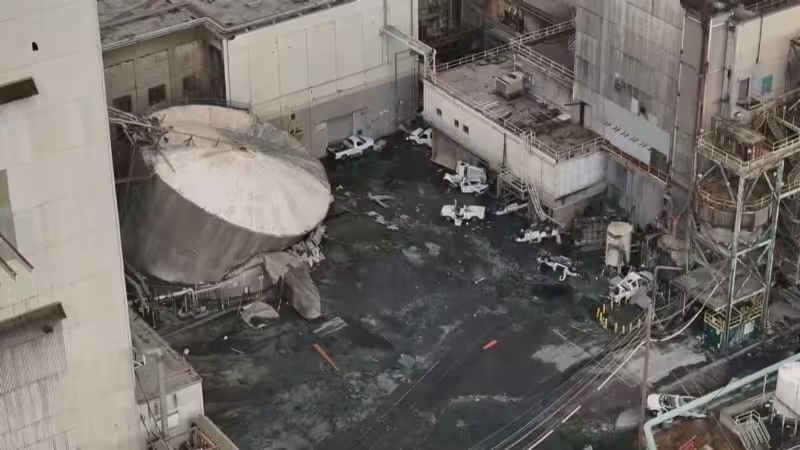
A tank holding 900,000 gallons of white liquor imploded just after 7:15 a.m. on Tuesday, May 26, at the Nippon Dynawave paper mill in Longview, touching off a multiagency rescue and environmental response that by Thursday had left eight people dead and six of nine missing workers recovered.
Chris Collins told reporters the drinking water being delivered to homes and businesses was unchanged: "The drinking water being delivered to homes and businesses today is the same safe water our community had last week." The reassurance came as crews recovered six of the nine workers who had been unaccounted for after the collapse and as officials confirmed the bodies of some victims were found near the employee breakroom area.

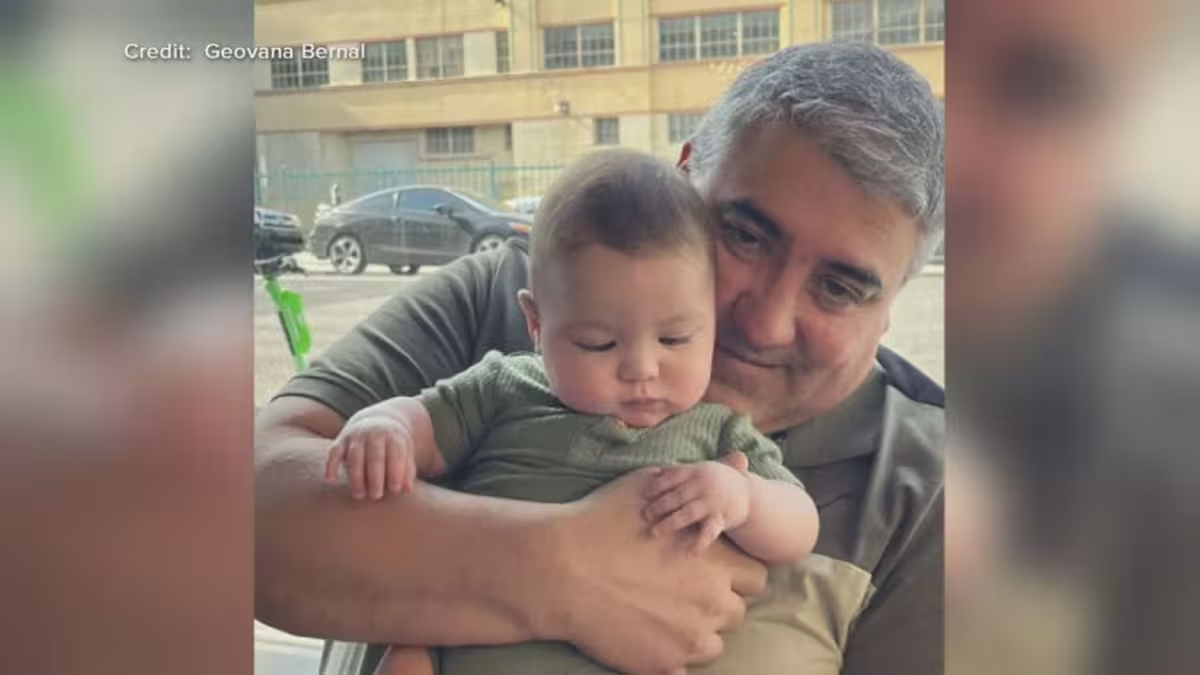
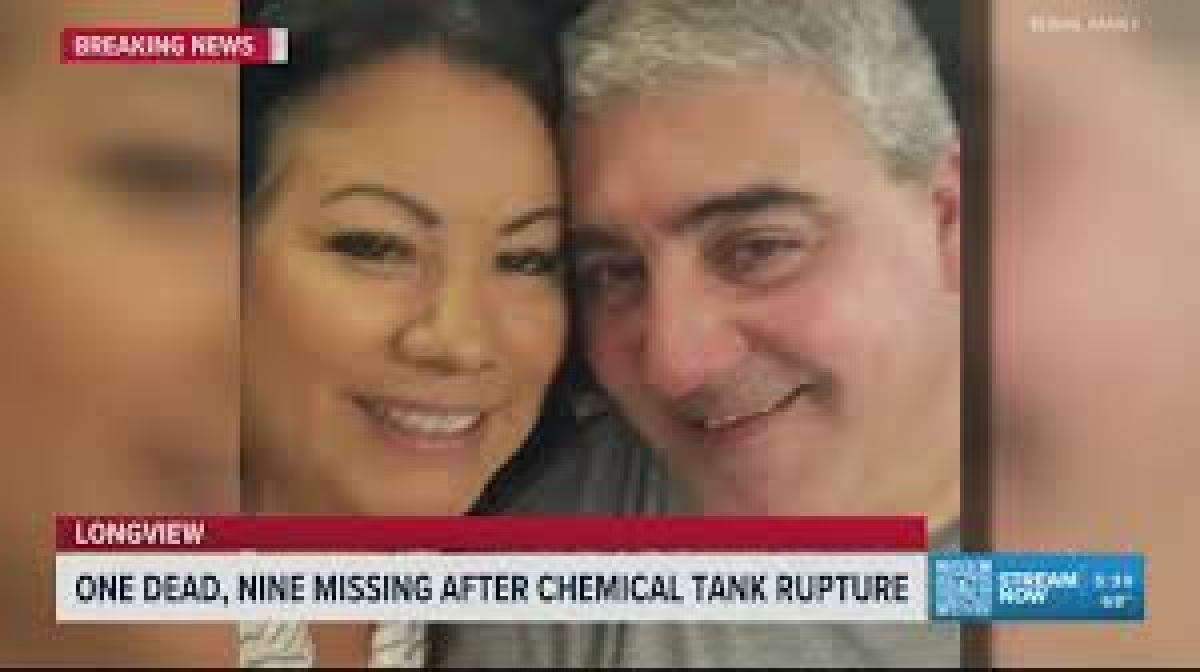
Authorities said the confirmed death toll reached eight following the Thursday recovery update. One person died at the scene and another died after being taken to a hospital on Tuesday; two injured employees later died at the hospital, and three workers remained missing and were presumed dead as of Thursday. Eight other people, including a firefighter, were injured and transported to area hospitals, and some of the injured were being treated at the Oregon Burn Center.
The implosion occurred during a shift change, officials said, a detail that helps explain why the recovered workers were found close to the breakroom. The mill was shut down after the incident, and recovery operations were initially delayed by concerns about the structural integrity of the tank at the center of the disaster.
Environmental responders moved quickly after officials reported some of the chemical had made its way into the Columbia River on Wednesday. Crews flushed contaminated water with water from the Cowlitz River and fire hydrants, officials said, with the stated goal of moving contaminated water away from residential areas and the city's water supply and diluting it to a level that could be safely discharged into the Columbia River.
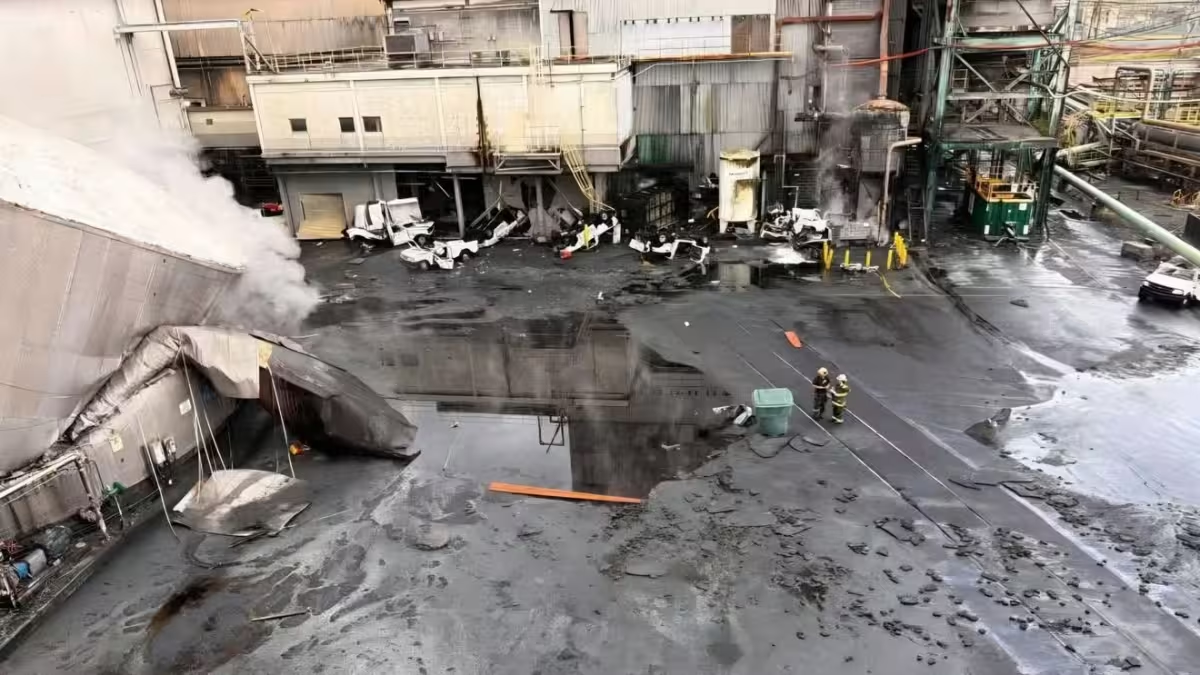
Inspectors later reported that the remaining product in the tank had been reduced to about 25,000 gallons. The Washington National Guard's 10th Homeland Response Force joined recovery efforts to provide decontamination support while the Washington State Department of Ecology and the U.S. Environmental Protection Agency monitored air and water quality in the area.
The scale of the event leapt into view in numbers: a 900,000-gallon vessel, six recovered workers found near the breakroom, eight confirmed dead, three still missing and presumed dead, and eight others injured. Bob Ferguson called the disaster "the deadliest industrial tragedy in modern Washington state history," a description that underscores the weight of the loss families and the community are confronting.
The U.S. Chemical Safety and Hazard Investigation Board said it would begin an investigation into the implosion, signaling a formal federal probe into how a tank that large failed during a routine shift change and why people were in harm's way. Recovery teams continued working under safety protocols while decontamination, monitoring and flushing operations sought to limit further environmental harm.
Tension between local reassurances about drinking water and the confirmed presence of chemical in the Columbia River has become the immediate friction point: officials pressed that water deliveries remained safe even as federal and state agencies tested and flushed waterways. Residents and municipal leaders are watching whether monitoring will keep contamination from moving into broader water and fishery systems that depend on the river.
The single most consequential task now falls to investigators: determine how a 900,000-gallon tank of highly corrosive white liquor imploded during a shift change and whether the failures that produced eight deaths were preventable. The answer will come from the Chemical Safety Board's inquiry and the coordinated work of state and federal environmental agencies; until then, Longview is left to recover bodies, treat the injured and contend with the fallout of what officials have described as an unparalleled industrial catastrophe for the state.