























The Co-op Merger: Why Timing is Crucial

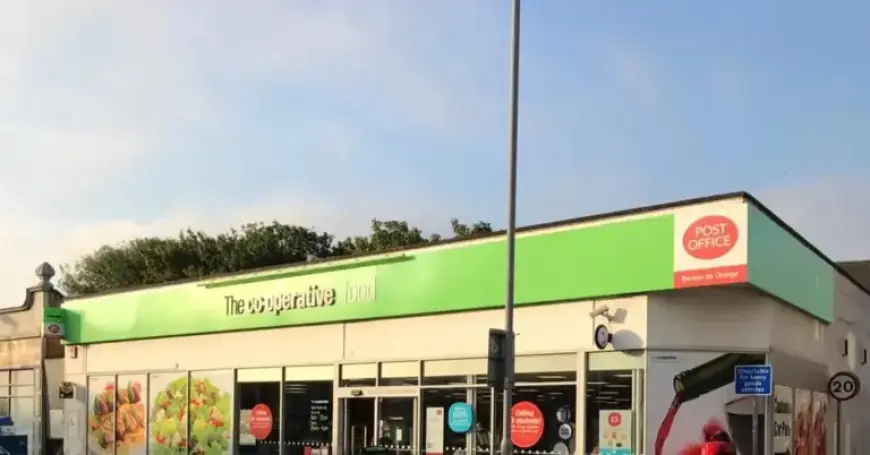
Co-op Group and Southern Co-op have agreed to merge. The deal marks a rare consolidation in UK co-operative retail.
Scale and assets
Southern Co-op brings 300,000 members and roughly 300 outlets. Those include food shops, funeral branches and Starbucks concessions.
The Co-op Group contributes more than seven million members. It operates over 2,300 food stores, about 800 funeral homes and a wholesale arm supplying around 8,000 outlets.
Context and timing
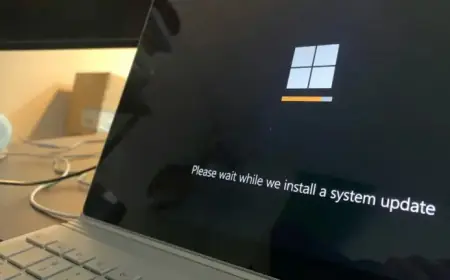
Timing will attract close scrutiny given recent shocks at the Co-op Group. Last year a cyberattack forced system shutdowns and cost the Group an estimated £285m in sales.
That incident was followed by staff allegations of a “toxic” leadership culture. The announcement also arrives amid a leadership gap at the Group.
Industry commentators say the co-op merger highlights why timing is crucial for societies facing operational and reputational pressure. Sources indicate talks likely started before these crises.
Operational benefits
Experts point to overlapping operations where both societies trade in the same towns. That can confuse customers about loyalty card usage and store branding.
Leaders argue the consolidation can deliver a simpler and more consistent experience for members and shoppers.
Franchising and commercial opportunities
Southern Co-op runs a franchise model under its Welcome fascia, covering about 73 independently operated stores. The Co-op Group also uses franchise agreements.
Co-op franchises operate in hospitals, universities and forecourts. Combining expertise could unlock new commercial opportunities across those channels.
Leadership and personnel
Southern Co-op chief executive Ben Stimson will play a role in the merged society. He has been in post for nine months and has retail and public sector experience.
Stimson’s background includes roles at Waitrose and the Bank of England.
Wider movement and consolidation trend
The merger follows a recent wave of deals across the co-operative sector. Central Co-op merged with Chelmsford Star last August.
In January, Central Co-op and Midcounties combined to form OurCoop. The last major integration before this period occurred in 2017.
Market implications
After the deal, the enlarged society will operate around 2,500 stores. OurCoop stands at about 500 stores as the largest regional society.
Only 11 independent societies remain, with sizes ranging from 176 stores down to a single site. Many chose to preserve a local identity.
The merger aims to build scale, resilience and greater impact for members, customers and colleagues across the UK. Filmogaz.com will monitor how the integration unfolds and how co-operative rivals respond.