
























Experts Warn Strait of Hormuz Toll Poses Significant Economic, Geopolitical Risks

Concerns are rising regarding the potential economic and geopolitical risks posed by Iran’s contemplation of imposing a toll on vessels traversing the Strait of Hormuz. Analysts suggest that such a toll could significantly impact oil and fuel prices globally.
The Strait of Hormuz: A Critical Passage
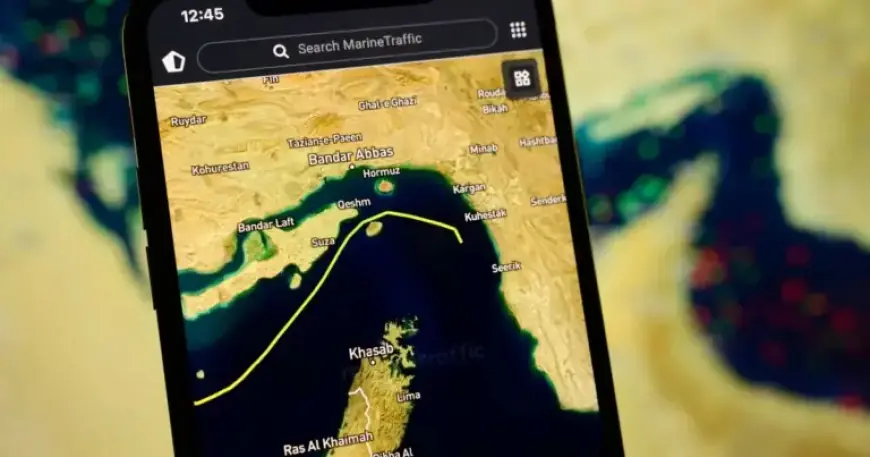
The Strait of Hormuz is crucial for international energy trade, accommodating about 20% of the world’s oil and liquefied natural gas supply. Traditionally, over 100 ships pass through this narrow channel daily, but recent data indicates a drastic decline in traffic.
Current Situation and Iranian Control
- In March, only an average of six vessels crossed the strait.
- This month, crossings have slightly increased to around ten per day.
Reports indicate that the Islamic Revolutionary Guard Corps (IRGC) currently operates a de facto toll system. Vessels are required to provide full documentation and accept IRGC-escorted passage. Analysts from Lloyd’s List Intelligence noted that some ships have already paid fees in Chinese yuan.
Potential Economic Impact
If implemented, Iran’s proposed toll could equate to $1 per barrel of oil transported. This fee could result in substantial charges, reaching up to $2 million for each tanker. However, Capital Economics experts argue that these additional costs may not significantly influence overall global oil prices.
Neil Shearing, the chief economist at Capital Economics, explained that the marginal cost of oil production in many Gulf states is around $20 per barrel. Therefore, the financial impact of Iran’s toll might be minimal amidst existing profit margins.
Geopolitical Risks and Market Reactions
The situation poses a new source of geopolitical risk. Shearing mentions that the threat of increased tolls could serve as leverage for Iran over other nations. Therefore, markets may see a permanent risk premium, likely keeping oil prices elevated.
Insurance and Freight Costs
Should Iran impose a toll, shipping insurance rates are expected to rise, further affecting energy prices. Artem Abramov from Rystad Energy highlights that uncertainty around this new toll regime would lead to elevated freight rates and insurance premiums, ultimately passed on to consumers.
Infrastructure Concerns
While tolls attract attention, experts like Sassan Ghahramani emphasize that the real determinant of energy costs may be the existing damage to oil and gas facilities in the region. He stresses that infrastructure damage will likely overshadow the effects of the proposed tolls.
In conclusion, Iran’s proposal to impose a toll on ships in the Strait of Hormuz could have far-reaching economic and geopolitical implications. The situation requires close monitoring, as the balance between managing regional security and economic interests remains delicate.