























Iran Conflict: Regime Divisions Threaten Ceasefire Stability

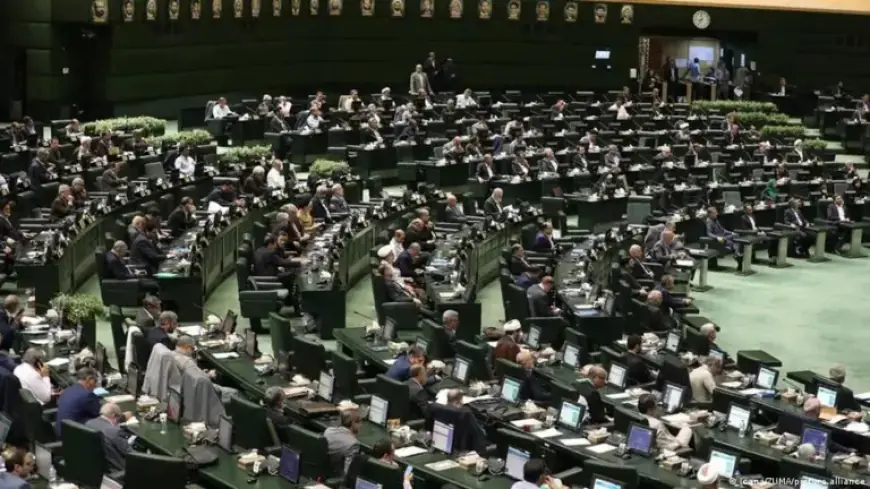
The upcoming negotiations between Iranian and US diplomats in Islamabad signal critical developments in the context of the recent conflict. Set for this weekend, these talks aim to formalize a ceasefire that has been in place for two weeks following nearly six weeks of intense warfare.
Ceasefire Negotiations Amid Regime Tensions
As the negotiations unfold, tensions remain evident. While the ceasefire has provided temporary relief, active exchanges of fire between Israel and Hezbollah—an Iran-backed group—persist. The Strait of Hormuz, a crucial global trade route, remains partially closed, further complicating economic conditions.
Internal Divisions Within the Iranian Regime
Despite a superficial appearance of unity among Iranian leadership during wartime, internal conflicts are surfacing. Hard-liners within the government may believe that Iran holds the advantage and should continue engaging in conflict rather than seeking compromise. On the other hand, those advocating for a peaceful resolution risk being labeled as surrendering.
The Supreme National Security Council of Iran expressed concerns after the ceasefire announcement, calling for unity without directly addressing the factions involved. This statement highlighted the government’s worry about fractures within its ranks.
Absence of Clear Leadership
Following the death of Supreme Leader Khamenei in an airstrike, his successor, Mojtaba Khamenei, has not been visible in public. This absence raises questions regarding his authority to mediate between the regime’s various factions. Without a decisive leader, tactical disagreements could escalate into larger conflicts.
Challenges Facing a Lasting Truce
Political analysts warn that voices within the regime that advocate for continued hostilities could destabilize the ceasefire. An activist noted that the government fears hard-liners could exploit any perceived weakening of the state. This has led to the distribution of weapons among loyalist forces, reflecting anxiety about potential public unrest.
Iran’s historical context plays a significant role in shaping current sentiments. Past reconnecting efforts following the Iran-Iraq war saw supporters of peace accused of betrayal, complicating any contemporary moves toward de-escalation.
The Role of International and Domestic Pressures
Efforts by both Pakistan and China appear to have influenced Tehran’s willingness to engage in talks. Observers note that Iran’s military capacity remains intact, but its economic strength may not support prolonged conflict, highlighting a rift between military and political leaders.
Conditions for Durable Peace
Experts emphasize that a sustainable ceasefire requires more than mere conflict management. Babak Dorbeiki asserts that negotiations must focus on restructuring Iran’s relationships with other countries. For lasting peace, the regime will need to shift its focus away from ideological confrontations and redefine its internal strategies.
Overall, the road to lasting peace not only involves an agreement between the US and Iran but also requires consensus among Iran’s powerful regime factions. The complexities of these dynamics will significantly shape the outcome of the Islamabad talks and any potential future stability in the region.