























Trump’s Iran Threats Spur Tehran Couple’s Urgent Preparations

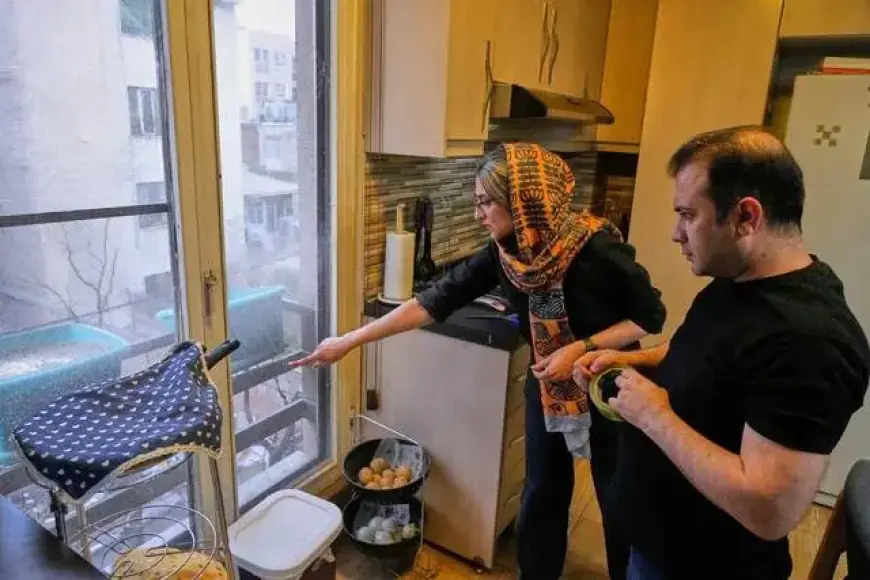
Zahra Arghavan and Mehdi Alishir watched the sun set over Tehran from their balcony. They braced for the possibility of airstrikes as tensions rose with the United States.
Trump’s Iran threats spurred the Tehran couple into urgent preparations. The couple said they now expect the constant noise of fighter jets and explosions.
Everyday precautions
They have left the capital and returned in search of safety. Sleepless nights have become common.
They have been married for more than a decade. They lived through the COVID pandemic and a 12-day war last June.
The couple has taped window edges with clear packing tape as a blast precaution. Mirrors and other fragile items were moved or secured.
- A packed bag holds documents, medications, and essentials.
- They keep the bag ready for a quick departure.
Alishir said they could cope without electricity or running water for about a week. He warned that longer outages would create serious problems.
Threats and strategic targets
U.S. President Donald Trump issued a sharp ultimatum that mentioned power plants and bridges. He warned of intensified strikes if Iran did not act.
The couple worries about how long power might be out if infrastructure is hit. They fear bridges being disabled and disrupted travel routes.
Communication and livelihoods
The crisis began affecting daily life even before bombs struck on Feb. 28. A government crackdown on nationwide protests in January sharply restricted internet access.
NetBlocks reported the shutdown was the longest nationwide outage on record. The restrictions disrupted commerce and education.
Arghavan runs a small French language school. About half of her students were based abroad in Quebec and elsewhere.
Because their classes were largely online, internet outages have severely hurt the school’s operations. Students and teachers have struggled to connect.
Public mood and hopes
Iranians remain divided over the conflict. Some attend pro-government rallies.
Others quietly welcome strikes against leaders but decry civilian casualties and infrastructure damage. The couple blames the U.S. and Israel for starting the war.
They say they want a diplomatic end. Arghavan hopes any agreement will reduce suffering, since civilians are the ones paying a heavy price.
What they want next
The couple seeks clarity about the future and how long outages could last. They hope for diplomatic solutions that restore normal life.