























Russell Calls for Reality Check on Iran Energy Crisis

With tensions rising in the Middle East, Clyde Russell emphasizes the urgent need for a reality check regarding the Iran energy crisis. The ongoing conflict involving the U.S. and Israel has led to significant miscalculations by various parties, raising alarming concerns about a global energy crisis.
Understanding the Iran Energy Crisis
The Iran conflict, now in its sixth week, casts doubt on the notion that any nation could emerge victorious. Instead, the likelihood of a deepening energy crisis looms large, even if a ceasefire and the reopening of the Strait of Hormuz occur soon.
Global Energy Supply Challenges
Several delusions surround the situation:
- Reopening the Strait of Hormuz will not fully resolve crude oil and refined product shortages.
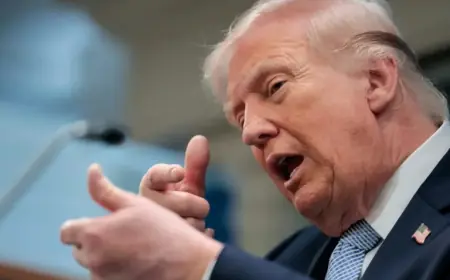
- U.S. President Donald Trump’s administration may not be making rational, informed decisions regarding the crisis.
- The problem lies primarily in the supply of refined products, not just crude oil prices.
- Countries implementing short-term policies may face severe consequences if neighboring nations suffer energy shortages.
Effects on Global Markets
Australia recently secured fuel imports from Japan and Singapore, demonstrating that some governments recognize the critical nature of this crisis. However, the world must confront a potential loss of approximately 12 million barrels per day in crude and refined products. This loss equates to over 10% of global daily demand.
Rising Fuel Prices
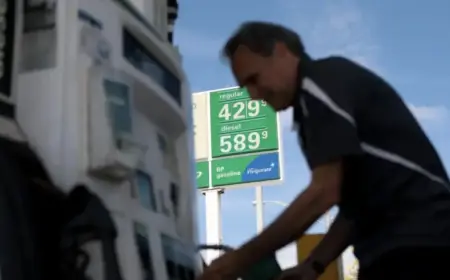
Current market conditions are even more complex than during the COVID-19 pandemic. Instead of diminished demand, the world faces skyrocketing prices, particularly for jet fuel in Singapore, where costs have more than doubled. Key issues affecting the market include:
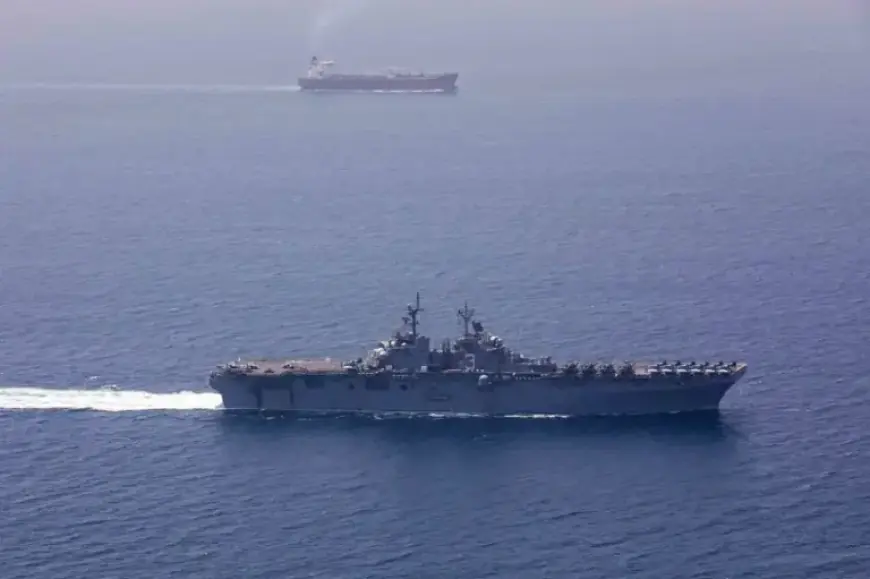
- The Strait of Hormuz is largely closed to most vessels.
- Negotiations to resolve the conflict have not yet succeeded.
Potential Consequences of the Conflict
The escalating tensions in the Gulf raise the specter of further attacks on energy facilities. Iran has already targeted infrastructure in several nations, including Qatar, the United Arab Emirates, and Saudi Arabia. Many ship owners now avoid the Strait of Hormuz altogether, fearing potential risks.
Options for the U.S. Administration
President Trump faces a critical decision. He can either:
- Withdraw from the conflict while portraying it as a victory.
- Escalate military actions, risking extensive damage to Gulf energy infrastructure.
- Agree to a ceasefire, which may favor Iran but could mitigate harm to the global economy.
Projected Impacts on Economies
The anticipated reduction in global crude and refined products will affect poorer nations in Asia and Africa first. These regions may struggle to source and afford essential refined products, intensifying existing economic challenges.
To tackle this crisis effectively, collaborative international efforts are crucial. Governments must acknowledge the gravity of the situation. Presently, the U.S. administration appears disconnected from the reality of the global energy landscape, and its actions could undermine the interests of traditional allies.
The true impact of this crisis may only be fully realized by May, as refiners, particularly in Asia, scramble for supply. Second-round effects—such as inflation, reduced global trade, job losses, and social unrest—could emerge later in the year, highlighting the urgent need for clear thinking amid uncertainty.