




















Exploring the Mindset of a Traditional Housewife

The concept of a traditional housewife often conjures images of a perfect life, complete with idyllic settings and well-kept homes. However, beneath the glossy surface lies a more complex reality that challenges the notion of traditional femininity. Notably, figures like Hannah Neeleman, known as a “tradwife” and popular on social media, present curated aspects of their lives, leaving much unsaid about the struggles that accompany such choices.
Understanding the Tradwife Phenomenon
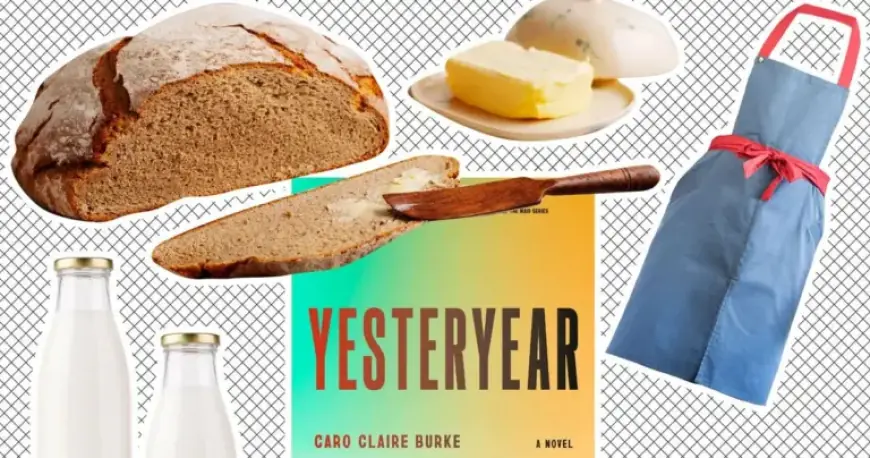
Hannah Neeleman has garnered attention through her lifestyle at Ballerina Farm in Utah. She portrays an image of an ideal life, featuring fresh-baked bread and outdoor play for her children. Yet, recent events, such as her decision to halt the sale of raw milk due to health concerns, hint at cracks in this polished image. Such moments prompt questions about the authenticity of the tradwife narrative.
The Role of Fiction in Revealing Truth
In contrast to the curated lives of actual tradwives, the fictional account in Caro Claire Burke’s novel, Yesteryear, offers deeper insights. The story centers on Natalie Heller Mills, a Harvard dropout who marries into wealth and becomes an Instagram-famous tradwife on her Idaho farm. Unlike the idealized images often portrayed online, Natalie’s character confronts her insecurities, judgments, and societal pressures.
Complexity Beneath the Surface
Natalie’s journey through two timelines illustrates a struggle between social expectations and personal fulfillment. While she initially embraces her new life, her discontent grows over time. This portrayal highlights the contrast between the external perception of contentment and the internal conflicts many women face.
- Conflicted Identity: Natalie grapples with her background and the choices she made, reflecting a broader theme in the lives of tradwives.
- Judgment and Comparison: The narrative explores how social media intensifies feelings of inadequacy, as exemplified by Natalie’s compulsive checking of her former classmates’ successes.
- Humor and Honesty: Burke’s writing employs subtle humor to humanize Natalie, creating a relatable and authentic character.
The Struggles of Modern Tradwives
The reality of tradwives often includes hidden struggles that contradict their public personas. For instance, Hannah Neeleman’s admission of needing support at home and the fatigue she experiences contrasts sharply with her idealized lifestyle. Similarly, Burke’s exploration of Natalie reveals the emotional labor behind maintaining an image.
While traditional housewives celebrate their choices online, they frequently omit the complexities of motherhood, identity, and societal pressure. The irony lies in the fact that their pursuit of traditional values can sometimes come at the expense of acknowledging their own struggles.
Conclusion: A Self-Reflexive Narrative
Both the real and fictional portrayals of tradwives reveal crucial insights about the pressures of modern femininity. Through the lens of characters like Natalie and the experiences of women like Hannah Neeleman, we see a nuanced picture of what it means to navigate the expectations of being a traditional housewife in today’s society. The complexities involved remind us that behind the façade of perfection lies a richer, often untold story.