





















Horror Film Infamous for Traumatizing Kids, Allegedly Linked to Fatality

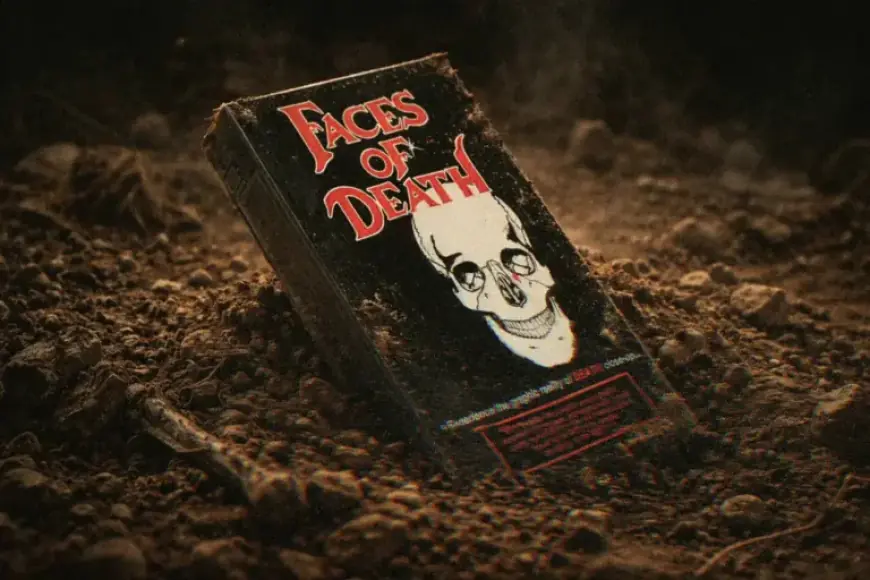
One film that stirred controversy and horror among viewers, especially in the 1990s, was *Faces of Death*. Released as a shockumentary, it purported to present real footage of death and dying. It became infamous for allegedly traumatizing children and even being linked to a notable fatality.
The Controversial Content of *Faces of Death*
*Faces of Death* features graphic content, including open-heart surgeries, autopsies, and violent deaths. The film opens with surgical procedures before transitioning into various death scenes, leading to its classification as adult material.
- Directed by John Alan Schwartz under pseudonyms.
- Included footage from real accidents and staged scenes.
- Notorious for a segment involving the live preparation of a monkey for consumption.
The Legend of *Faces of Death*
Despite being banned in a handful of countries, the narrative surrounding *Faces of Death* painted it as a dangerous film. Schwartz claimed that the film grossed over $35 million, although this figure has been questioned.
Connections to Violence
One of the most disturbing incidents linked to the film occurred in 1986 when a 14-year-old in Massachusetts murdered a classmate, allegedly influenced by *Faces of Death*. In another case, families of teenagers sued after a teacher showed the film in class, claiming psychological harm.
Impact on Pop Culture
Critics, such as film reviewers Gene Siskel and Roger Ebert, condemned *Faces of Death* in their discussions of “video nasties.” They highlighted its impact on audiences, especially minors, and questioned its moral implications.
Revisiting *Faces of Death* Today
In light of modern media consumption, the film’s shocking presentation seems less impactful. Filmmakers Daniel Goldhaber and Isa Mazzei recently announced a new project inspired by the original. While their version is not a direct remake, it incorporates elements that reflect today’s hyper-realistic online content.
Conclusion
*Faces of Death* remains a significant entry in horror film history. Its notoriety not only stemmed from its content but also from its cultural ramifications, showcasing how a film can haunt childhoods and foster discussions on violence and media consumption.