























US Strikes on Iran Unlikely to Trigger Regime Change in Tehran

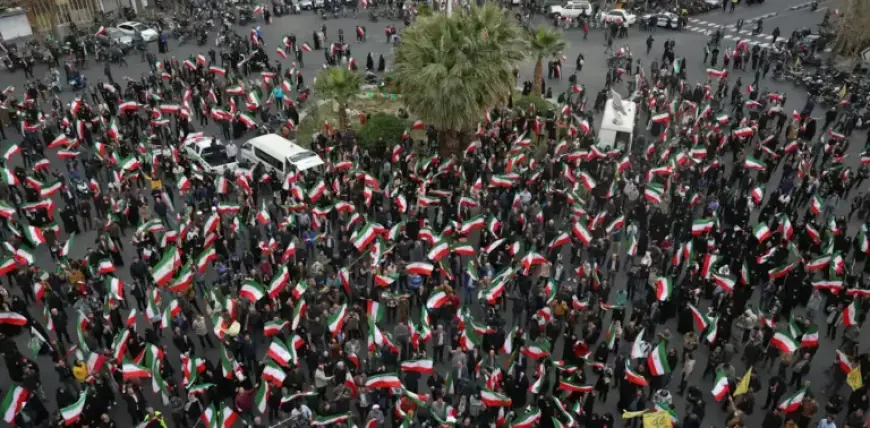
On February 28, 2026, significant military actions unfolded as the U.S. and Israel commenced large-scale airstrikes against Iran. This marked one of the largest military buildups in the region in decades. President Donald Trump characterized these operations as “major combat operations” with the goal of achieving regime change in Tehran.
Background of the U.S.-Iran Military Engagement
The assault came after weeks of intensified U.S. military presence in the Middle East. Numerous reports indicated widespread attacks targeting various locations across Iran, including the residence of Supreme Leader Ayatollah Ali Khamenei.
Implications of Regime Change
Experts suggest that the likelihood of successful regime change in Iran remains low. Donald Heflin, a diplomat and professor, noted the challenges faced by the Iranian populace in toppling a heavily armed regime. He referenced past U.S. involvement in Iraq during the Gulf War, emphasizing that the U.S. had earlier encouraged uprisings without providing support for their success.
Challenges Ahead for U.S. Strategy
- Bringing about regime change in a country with a strong military is perilous.
- The potential for backlash exists if Iranian forces orchestrate retaliatory strikes against U.S. interests.
- If top leaders are removed, questions arise regarding potential successors and the political landscape that would follow.
Heflin expressed skepticism about the deployment of ground troops. He argued that large-scale troop movements carry significant risks of casualties and may not achieve desired outcomes. In Trump’s approach, small specialized units may operate while avoiding extensive military interventions.
Potential Risks for President Trump
As U.S. airstrikes continue, Trump faces multiple risks:
- Retaliatory actions from Iran that could challenge U.S. interests.
- The possibility that the Iranian government remains intact despite military efforts.
- The emergence of unexpected leadership in Iran that may not align with U.S. interests.
Even if U.S. actions temporarily disrupt the Iranian leadership, there is uncertainty about who could effectively govern afterward. Historical parallels to Venezuela suggest that hardliners might retain power, further complicating U.S. objectives.
The Complexity of Engagement
Trump’s administration aims to present military actions as protective measures for those suffering under the Iranian regime. However, past experiences warn that military strikes can entrench rather than weaken governments. Furthermore, an impressive crackdown on protests in Iran has reportedly resulted in significant casualties, complicating the narrative for U.S. intervention.
With these dynamics at play, the prospect of fostering popular uprisings in Iran remains highly questionable. The regime’s resilience and the potential for increased nationalism in response to foreign aggression may hinder U.S. objectives.
As the situation develops, the question of whether U.S. strikes on Iran will lead to meaningful regime change continues to loom large, casting uncertainty over the future of U.S.-Iran relations.