

























U.S. Strikes on Iran Poised to Elevate Defense Stocks Post-Conflict

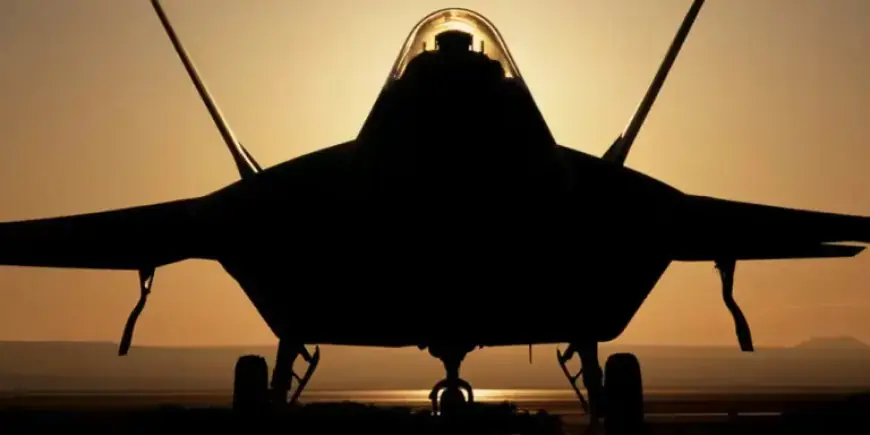
Recent geopolitical tensions have led to a significant rise in defense stocks, particularly following the U.S. strike on Iran. This military action, conducted in collaboration with Israel, is expected to impact the defense sector positively. Investors are watching closely as history suggests that conflict-related spending often boosts stock prices in this industry.
Impact of U.S. Strikes on Defense Stocks
Defense stocks typically act as indicators of geopolitical stability. When crises arise, military expenditures increase, leading to a surge in the shares of defense companies. The recent U.S. operations in Iran are likely to repeat this pattern.
Long-term Trends in Defense Spending
Beyond immediate stock fluctuations, a significant structural shift is underway in the defense industry. Companies are transitioning from sporadic arms sales to a model resembling subscription services. This change means more stable, recurring revenue streams.
- Recurring revenue from maintenance and software contracts is becoming more prevalent.
- Defense firms are building a growing base of long-term contracts.
- This trend suggests a potential for sustained growth in the sector.
As the installed base of military assets expands, companies are likely to benefit from ongoing service agreements. This shift could provide a buffer against the cyclical nature of defense spending, aligning with broader market needs for consistent revenue.
Conclusion
The recent U.S. strikes on Iran may influence defense stocks significantly. As military conflicts unfold, traditional trading patterns are becoming evident. However, the industry’s evolution towards long-term contracts and recurring revenue models points to a more sustainable future for defense investments.