

























U.S. Strikes on Iran Expected to Boost Defense Stocks, Sustain Post-Conflict Gains

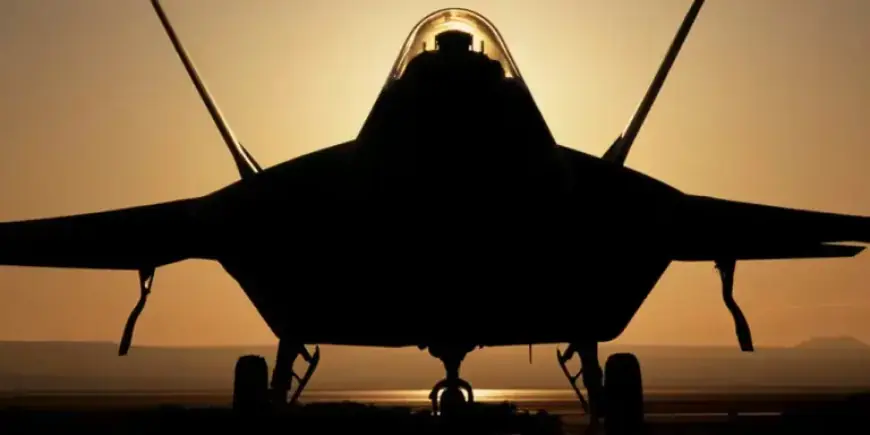
Recent developments in the geopolitical landscape are poised to significantly influence defense stocks. Following the U.S. and Israel’s military actions against Iran, analysts predict a surge in defense industry revenues. This uptick reflects both immediate financial gains and a broader structural shift within the defense sector.
Impact of U.S. Strikes on Iran on Defense Stocks
The attack on Iran has garnered attention not only for its geopolitical implications but also for its potential economic impact. Defense stocks typically react positively to military conflicts, driven by increased government spending on defense procurement.
Recurring Revenue in the Defense Industry
Beyond the short-term effects of conflict, the defense industry is experiencing a transformation. Companies are moving toward a model that emphasizes recurring revenue streams. This change aligns with a growing trend of long-term service contracts, which provide stable income over time.
- Previous Trends: Defense stocks rise during conflicts and retreat during peace.
- Current Dynamics: An increase in recurring revenue suggests a shift towards sustainability.
- Market Conditions: The geopolitical climate serves as a barometer for defense stock performance.
As the situation in Iran develops, market observers will closely monitor defense stocks. This event reinforces the notion that military actions can lead to sustained growth in the defense sector, offering opportunities for investors.
Key Takeaways
- The recent U.S. strikes on Iran are expected to boost defense stocks.
- A long-term shift toward recurring revenue models is evident in the defense industry.
- Investors should consider geopolitical events as catalysts for short-term and long-term gains.
The evolving landscape of defense procurement highlights the importance of adapting to new market conditions. As conflict dynamics play out, the industry’s transition toward a subscription-like model may help stabilize revenues in the face of fluctuating geopolitical tensions.