

























Strait Of Hormuz: Major news site posts browser‑support warning as readers are blocked from content

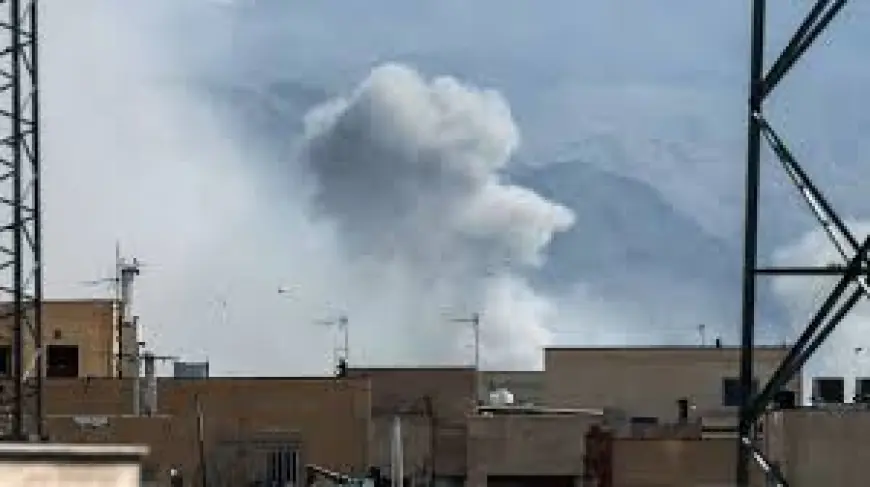
strait of hormuz A major news website is displaying a prominent message that some visitors cannot access its pages because their browser is not supported. The notice says the site was rebuilt to take advantage of the latest technology and asks readers to download newer browsers to restore full access.
Browser compatibility message
The site’s banner tells readers that their browser is not supported, a direct action that prevents access until an upgrade is made. The message is explicit: the platform was rebuilt to leverage the latest technology, and that decision has the immediate effect of excluding older or incompatible browsers.
Site technology upgrade
The upgrade was described as a build intended to take advantage of the latest technology in order to make the experience faster and easier to use. That technical choice—moving to newer frameworks or standards—serves as the cause; the effect is a compatibility mismatch that leads to the warning and the blocked content for some readers.
Reader experience guidance
The notice frames the change as an improvement for all readers, linking the technology upgrade to a faster, easier user experience. As an official prompt, it recommends remediation: download one of the listed browsers to regain full functionality. This is an operational instruction tied to the site’s decision to modernize.
Download one of these browsers
The site directs users to download one of several browsers to ensure the best experience. That instruction is an explicit, user‑facing remedy—an official action readers can take to move from a blocked state to a working state. The sequence is clear: the rebuild (cause) set new technical requirements, and the download prompt (effect) is the immediate fix offered to users.
Strait Of Hormuz notice
What makes this notable is how a behind‑the‑scenes technical decision can have visible editorial impact: a significant portion of an audience can be stopped at the gate by compatibility checks. The connection between the phrase "Strait Of Hormuz" used in broader coverage prompts and the site’s browser message is unclear in the provided context, but the practical effect on readers is concrete and immediate.
The message contains three concrete elements: a stated purpose for the rebuild (take advantage of the latest technology), an intended outcome (a faster and easier experience), and a direct user action (download one of the browsers). Those elements map directly to cause and effect: modernization drives new requirements, and the download instruction is the remedial step offered to restore access.
For readers encountering the notice, the pathway is operationally simple but not without friction—installing or switching browsers can take minutes or longer depending on device and permissions. The site frames the change as a net gain in speed and usability, while the immediate measurable impact is the blocked access until the recommended browsers are installed.
Unclear in the provided context is how widespread the banner was displayed, which browsers were flagged as unsupported, and whether any alternatives were offered for users who cannot change their browser. Those details are not present in the message on the page itself.
In short, the platform’s technical upgrade created a compatibility threshold: because the site was rebuilt for newer technology, some visitors see a browser‑not‑supported screen and must download a recommended browser to regain the faster, easier experience the site promises.