

























Anthropic Stock Draws Scrutiny After Trump Ban, Pentagon Standoff and OpenAI Deal

The administration’s ban on Anthropic and a presidential order for U. S. agencies to stop using Anthropic AI tech have converged with a Pentagon standoff and a rapid OpenAI-Pentagon agreement, thrusting anthropic stock into the spotlight. The sequence—first a Pentagon confrontation, then a White House directive, and within hours an OpenAI deal with the Pentagon—has immediate policy and procurement implications.
OpenAI-Pentagon deal
OpenAI struck a deal with the Pentagon hours after the administration moved to ban Anthropic. That timing put the Pentagon’s procurement choices at the center of a swift shift in the federal AI landscape: the deal followed the administration’s action within a single business day, creating a de facto substitution of one private AI supplier with another in a narrow window. The rapid succession of events has raised questions inside and outside government about near-term continuity of projects that had involved Anthropic technology.
Trump Orders U. S. Agencies to Stop Using Anthropic
Following a standoff at the Pentagon, the president ordered U. S. agencies to cease use of Anthropic AI tech. The directive is an official action that affects all federal agency contracts and deployments tied to Anthropic products. The instruction to halt usage represents a concrete operational outcome: federal bodies that had integrated Anthropic systems must now pause or terminate those integrations while agencies review compliance and alternative sourcing.
Anthropic Stock in the Spotlight
The combination of a presidential ban and an explicit order for U. S. agencies to stop using the company’s products has placed anthropic stock squarely under scrutiny from investors and market watchers. What makes this notable is the compact timeline: a Pentagon standoff precipitated the executive action, and within hours the Pentagon inked terms with a different supplier, compressing what often are months-long procurement shifts into a matter of hours. The immediate, measurable impacts are operational—agency usage curtailed—and reputational, as public scrutiny focuses on the company’s federal ties.
Donald Trump lashes out at Anthropic
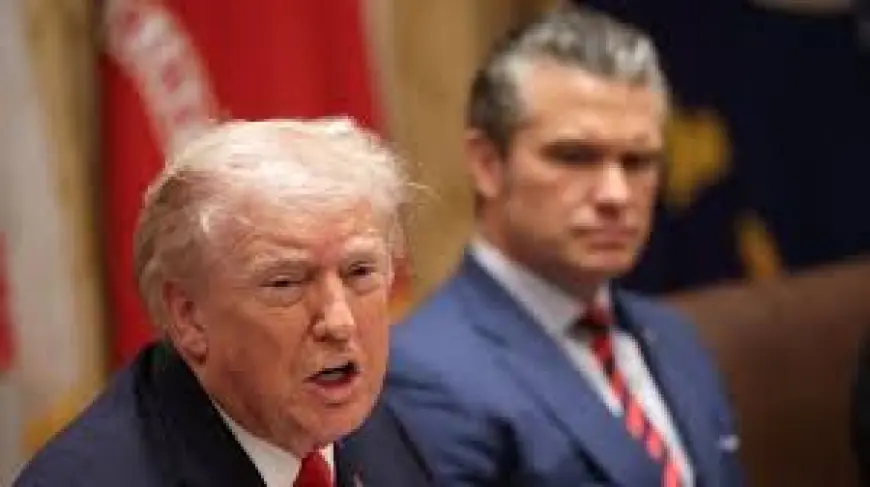
Donald Trump publicly lashed out at Anthropic in the wake of the Pentagon episode and the subsequent policy moves. That reaction preceded or coincided with the order that agencies stop using the firm’s AI technology and framed the administration’s stance toward Anthropic as adversarial. The president’s posture became part of the causal chain leading to the agencies’ suspension of Anthropic services and the Pentagon’s pivot toward OpenAI.
Policy and procurement implications
The sequence—Pentagon standoff, presidential order to halt agency use of Anthropic AI tech, and an OpenAI-Pentagon agreement hours after the ban—creates clear cause-and-effect linkages for federal AI procurement. Agencies face immediate choices on contract transitions, continuity of mission-critical systems, and compliance with the presidential directive. The broader implication is that federal AI sourcing can shift rapidly in response to national security or political events, compressing timelines for agencies that must now reconcile program needs with new restrictions.
Officials and contractors will now need to evaluate how to implement the order to stop using Anthropic technology while maintaining operational capabilities tied to AI services. The sequence of actions—standoff, presidential directive, and near-immediate replacement supplier—demonstrates how a short chain of events can drive both market attention to anthropic stock and abrupt realignment of federal AI partnerships.