

























Qatar Shelter Orders and Tanker Movements Heighten Risk and Uncertainty for U.S. Personnel in the Region

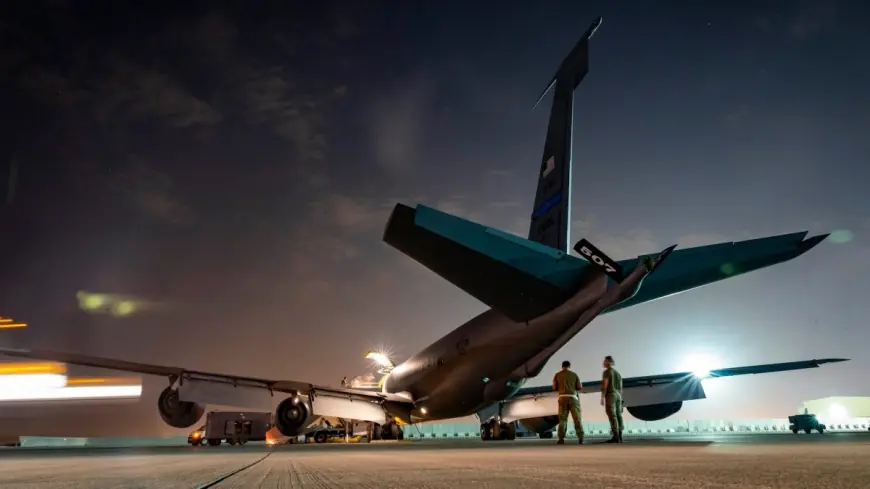
The directive for Americans to shelter in place in Qatar comes at a time when aerial refueling tankers have been moved from the major base there, creating a concentrated window of operational uncertainty. Qatar-based personnel and U. S. citizens across the Gulf and in Israel are the first to feel the consequences: constrained movement, tightened security routines, and an unclear timeline for whether normal travel and base activity will resume.
Immediate risk focus in Qatar: what is unsettled and why it matters
U. S. diplomatic missions in Qatar have advised all Americans in the country to shelter in place until further notice, instructing them to remain in secure locations and to keep low profiles. Similar guidance went out from neighboring posts, reflecting a region-wide shift into heightened protective posture after a major strike on Iran’s capital that multiple items describe as a joint operation involving both U. S. and Israeli forces. The combination of shelter orders and repositioning of aerial-refueling assets raises practical and strategic questions about near-term safety for civilians and mission continuity.
Here’s the part that matters: people on the ground face limited options. Embassy personnel were told to assemble supplies and avoid demonstrations; elsewhere, U. S. citizens were urged to consider leaving Israel while commercial flights remain available. For those not affiliated with government missions, commercial travel and access to safe locations will be the immediate constraints.
Event details and operational signals: what moved and what was advised
Military posture changes centered on Al Udeid Air Base in Qatar, where imagery indicates aerial refueling tankers were moved from the facility while transport aircraft remained. The airbase is identified as a major U. S. hub in Qatar; transports consistent with supply and special-operations traffic were still visible on the tarmac. Moving refueling assets away from a high-priority base is noted as a precautionary measure tied to broader contingency planning.
On the diplomatic front, missions in Qatar and Bahrain issued shelter-in-place advisories for Americans and told residents to prepare basic supplies. In parallel, officials authorized the departure of non-emergency U. S. government personnel and families from Mission Israel on February 27, 2026, and embassy communications encouraged non-essential staff in the region to seek outbound travel as seats become available.
- Key operational notes: aerial refueling tankers were moved from Al Udeid; C-17 and C-130 transports remained present at the base.
- Protective guidance: shelter-in-place advisories, readiness with food/medication, and avoidance of demonstrations were emphasized.
- Mobility advisory: U. S. citizens in Israel were urged to consider leaving while commercial flights operate; non-emergency government departures were authorized on a specified date.
It’s easy to overlook, but moving refueling assets away from a major hub is a tactical choice that typically signals concern about the vulnerability of fixed infrastructure in the opening phase of a contingency.
Short Q& A to clarify implications
- Who is affected first? Embassy staff, U. S. citizens living or traveling in Qatar, Bahrain and Israel, and personnel who rely on the Al Udeid hub for regional air operations.
- What have the immediate changes been? Shelter-in-place advisories were issued; aerial refueling tankers that had been at Al Udeid were moved while transport aircraft stayed in place; non-emergency departures for U. S. government personnel and families from Mission Israel were authorized on the specified date.
- Which developments would clarify the trajectory? Restored commercial flight availability from Israel, reversal of shelter directives in Qatar and Bahrain, or visible redeployment of air assets back to Al Udeid would signal a de-escalation; continued asset dispersion or expanded travel authorizations would point the other way.
The real test will be how long these protective measures remain necessary and whether local infrastructure and commercial channels can absorb the surge in demand for outbound travel.
If you’re wondering why this keeps coming up: joint strikes on Iran’s capital prompted the alerts, and the diplomatic and military moves now in place are defensive responses meant to reduce immediate exposure. Recent updates indicate U. S. personnel movements and public advisories are evolving; details may change as the situation develops.