
























Cnn Included in Stakes as Paramount-Skydance Bid for Warner Sets Off Largest-Ever Media Shakeup

The Ellison-controlled Paramount-Skydance bid for Warner has vaulted into a single corporate roof under a proposal that would also fuse HBO Max with Paramount+. The move matters now because the deal’s financing shortfalls, regulatory hurdles and potential to alter streaming prices could reshape how viewers pay for and access content.
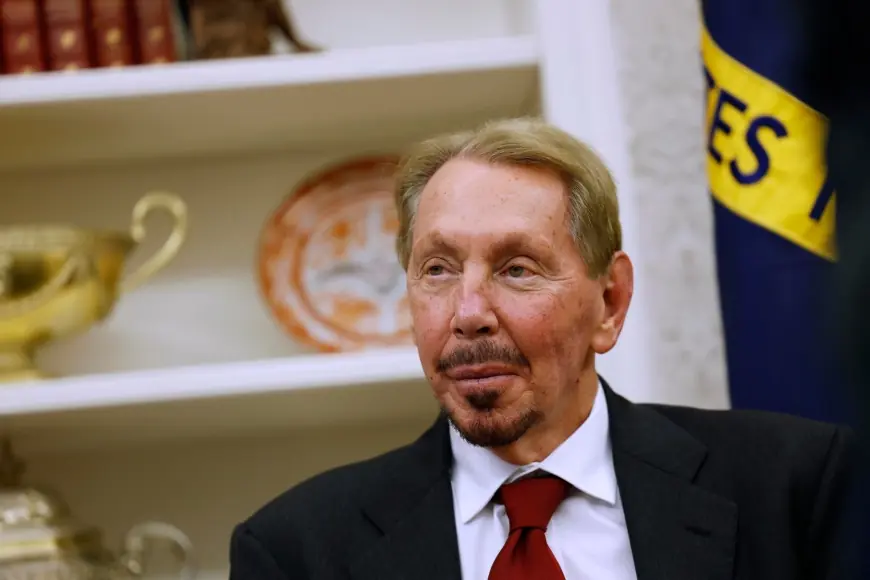
Larry Ellison’s financing and pledged Oracle shares
Last August, Larry and David Ellison completed an $8 billion merger that handed them control of Paramount, and weeks later Paramount-Skydance submitted a hostile $111 billion bid for Warner. Warner’s board judged Paramount’s offer superior after Warner had already agreed to sell itself to Netflix and Netflix declined to counter. The target company is described as having a roughly $70 billion market capitalization, which the Ellison-controlled group is poised to buy for a triple-digit billion price.
Paramount itself begins with just $3 billion in cash on its balance sheet. To bridge the gap, three major banks have committed $57. 5 billion in debt and an equity contribution of $45. 7 billion is planned from Larry Ellison’s trust. Ellison’s personal liquidity picture is constrained: he has sold $4. 7 billion of Oracle stock pre-tax this century, holds less than $10 billion in cash in the bank by estimates, and owns an estimated $15 billion in Tesla shares accumulated during a tenure as a Tesla director that ended in 2022. Those amounts would not by themselves cover the equity commitment.
Ellison’s largest available lever is Oracle stock. He owns 1. 16 billion Oracle shares, valued in the context at about $164 billion. A September regulatory filing shows he had 346 million pledged Oracle shares “to fund outside personal business ventures, ” which were worth more than $100 billion at one point and about $50 billion at a later point. That pledged holding, even at the lower valuation, is presented as sufficient to cover the commitment without selling additional Oracle shares and triggering a market sell-off, because they could be mortgaged instead.
Paramount+ and HBO Max: a streaming consolidation
Paramount is expected to merge its Paramount+ service with HBO Max to create a combined streaming offering intended to compete with Netflix, Amazon and Disney. Viewers would gain access to an expanded single-subscription catalogue that would span contemporary releases and classics—examples cited include The Pitt alongside Casablanca, Star Trek, Friends and The Sopranos.
How subscription pricing would evolve remains unclear in the provided context. Analysts expect that initially customers who now subscribe to both platforms could receive a cheaper combined package, but over time a stronger bundled product could provide leverage to raise prices. Tom Harrington, a TV analyst at Enders, notes that reduced competition would create the ability to charge more. By contrast, Ben Barringer, head of technology research at Quilter Cheviot, argues that any price rises would be constrained by the rate set by Netflix, which he describes as the market’s price-setter.
and CBS consolidation within a broader news and kids programming sweep
If regulators permit the transaction, the combined company would place CBS and under the same parent alongside merged streaming services and film studios. The consolidation would also combine Warner Bros. and Paramount Pictures and bring Nickelodeon together with Cartoon Network. What makes this notable is the simultaneous compression of news, film, streaming and children’s programming into one corporate structure, intensifying potential antitrust concerns.
Regulatory landscape: federal and state attention
The proposal is far from complete and still requires regulatory approval. With the current presidential administration expected to press approvals forward, Scott Wagner, head of the antitrust practice at Bilzin Sumberg, frames an environment of accelerated review. At the same time, state attorneys general could intervene on consumer-price or worker-harm grounds; California’s attorney general has vowed a vigorous investigation. Given existing distribution agreements and the regulatory timeline, major changes to services available to consumers are likely years away.
Impact on cinemas and the film business
Movie-theatre operators and other Hollywood stakeholders had feared a Netflix-style model that might lead studios to bypass cinemas. Those concerns are moderated by the fact that Paramount and Warner continue to rely on theatrical ticket sales to bolster box-office returns; Matt Britzman of Hargreaves Lansdown says that reliance should mean fewer films rushed straight to streaming. He adds that while this consolidation is unlikely to reverse broader, long-term trends in cinema attendance, it may reduce the level of disruption filmmakers feared under a Netflix-led model.
Unfinished threads and an opaque companion entry
A separate item titled "Client Challenge" is listed without further detail and its contents are unclear in the provided context. The final sentence of the financing analysis about a potentially helpful relationship with the Trump administration ends midword in the available material and is likewise unclear in the provided context.
The combination of a $111 billion bid, $57. 5 billion of committed bank debt, a $45. 7 billion equity pledge from an individual trust, a starting cash position of $3 billion and large pledged blocks of Oracle stock creates a cause-and-effect chain: constrained corporate liquidity and heavy reliance on pledged personal assets drive a financing structure that in turn magnifies regulatory and shareholder sensitivity, especially at Oracle. That sensitivity is likely to shape both legal review and market reactions as the bid proceeds.