












John Davidson Tourette’s “word” incident at BAFTAs ignites BAFTA Film Awards backlash as I Swear movie team faces scrutiny with Michael B Jordan and Delroy Lindo

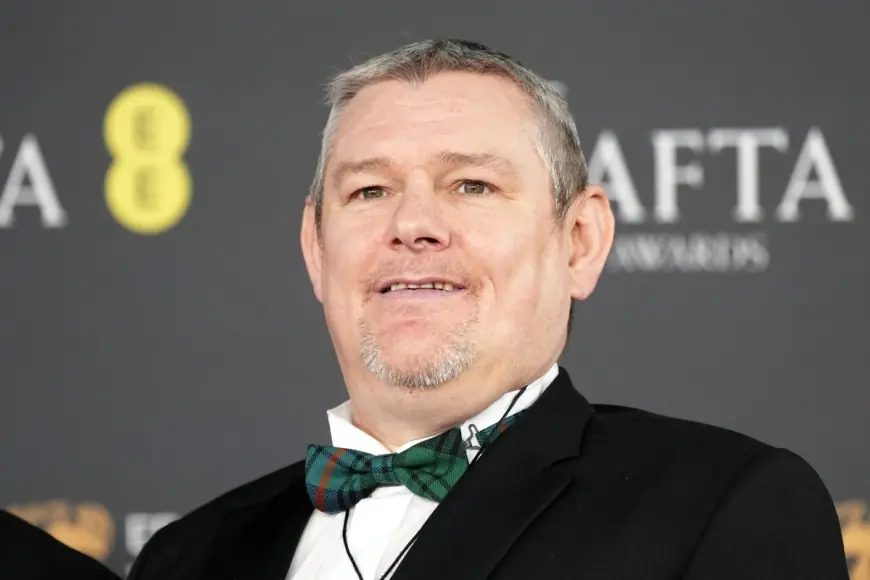
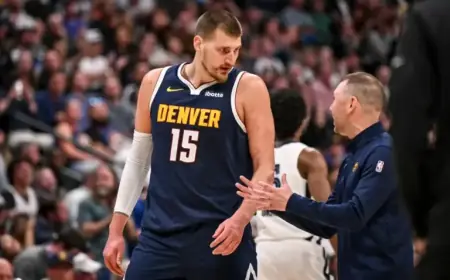
A single shouted word has become the defining headline from this year’s BAFTA Film Awards, after John Davidson—a well-known advocate living with tourette syndrome—audibly blurted a racial slur during the live ceremony in London on Saturday, Feb. 22, 2026. The moment occurred while Michael B Jordan and Delroy Lindo were on stage presenting an award, triggering immediate discomfort in the room and a widening debate about responsibility, accessibility planning, and broadcast safeguards at the BAFTA Awards and the BAFTAs more broadly.
Davidson has since apologized publicly, describing the outburst as an involuntary verbal tic and not a reflection of his beliefs. The incident has also pulled new attention to the I Swear movie—the drama inspired by Davidson’s life—along with its star Robert Aramayo and the broader awards-season ecosystem that celebrated the film while struggling to protect people affected by the broadcast.
BAFTA Film Awards: what happened when Michael B Jordan and Delroy Lindo were presenting
The flashpoint came mid-show as Jordan and Lindo walked onstage to present. A loud slur was heard from the audience, and the presenters briefly paused before continuing professionally. The immediate aftermath became as controversial as the outburst itself: viewers and attendees questioned why the audio was allowed to carry through to broadcast and why the context of tourette syndrome did not prevent harm in the moment.
The ceremony had included awareness that Davidson experiences vocal tics, but the on-air handling left many feeling that Black guests were not adequately protected and that disability inclusion was treated as a note rather than a production plan. The academy later issued apologies and said it had begun a review of how the incident was managed.
John Davidson Tourette and John Davidson Tourette’s: disability context meets live-show risk
The public conversation has repeatedly returned to a core reality: john davidson tourette and john davidson tourette's are not slogans, they describe a neurological condition that can involve involuntary sounds or phrases, sometimes including coprolalia (the involuntary utterance of socially taboo words). Davidson’s supporters emphasize that intent is not the same as impact, while critics argue that impact still demands stronger protections for those targeted by the language.
Davidson himself has questioned why he was seated close to sensitive audio pickup points given prior knowledge of his vocal tics. That detail has sharpened focus on event design—where guests are seated, what microphones capture, what delay systems do, and how producers intervene when a known risk becomes a live reality.
I Swear movie and John Davidson I Swear: Robert Aramayo’s BAFTA moment collides with controversy
The incident has inevitably followed the awards narrative for i swear and the i swear movie, a biographical drama inspired by Davidson’s life and advocacy. john davidson i swear has become a common shorthand online for the uncomfortable collision between celebration and harm: a film built around disability awareness became linked to a broadcast failure that many say undermined inclusion.
Robert Aramayo, who portrays Davidson, has been central to the film’s awards-season visibility. While the performer’s work has been praised, attention has shifted to the systems around the ceremony—how a show honors a story about disability while failing to prevent a predictable moment from causing fresh injury to others.
BAFTA Awards response: resignations, review, and a credibility test for the BAFTAs
In the days after Feb. 22 (ET), a prominent judge connected to an emerging-talent panel resigned, calling the handling unsafe and unacceptable. That resignation increased pressure on organizers to move beyond apologies and toward measurable changes in how live events balance accessibility with harm prevention.
The academy’s review now faces a credibility test: it must show how it will protect Black guests and audiences from racist language, while also treating disabled participants with dignity rather than blame. The tightrope is practical, not theoretical—future ceremonies will be judged on whether they adopt clear protocols for risk scenarios that are known in advance.
What changes could follow at the BAFTA Film Awards without sidelining tourette syndrome inclusion
The most immediate questions center on operational fixes that do not stigmatize tourette syndrome. Solutions being discussed across the industry include stricter microphone zoning, clearer seating strategy, faster live delay intervention, and real-time captions or on-screen context when appropriate—paired with backstage check-ins for affected presenters.
The goal is not to erase disability from public space, but to stop preventable harm when a vulnerable moment is broadcast to millions. The BAFTAs now have to prove they can do both.
| Timeline (ET) | Key moment | Why it matters |
|---|---|---|
| Sat, Feb. 22, 2026 | Slur heard during onstage presentation | Live broadcast risk becomes real-world harm |
| Sun, Feb. 23, 2026 | Organizers issue further apologies and begin review | Accountability shifts from statements to process |
| Mon–Tue, Feb. 24–25, 2026 | Judge resignation amplifies pressure | Demands structural change, not just regret |
The lasting impact of this bafta controversy will hinge on whether the academy’s next steps rebuild trust—protecting those targeted by racist language, supporting disabled participants like John Davidson, and ensuring a single involuntary word never again becomes the headline that defines the night.