





















Trump’s Media Upset: Lawsuits, Funding Cuts and Rhetoric That Remade the Fourth Estate — Nytimes.com

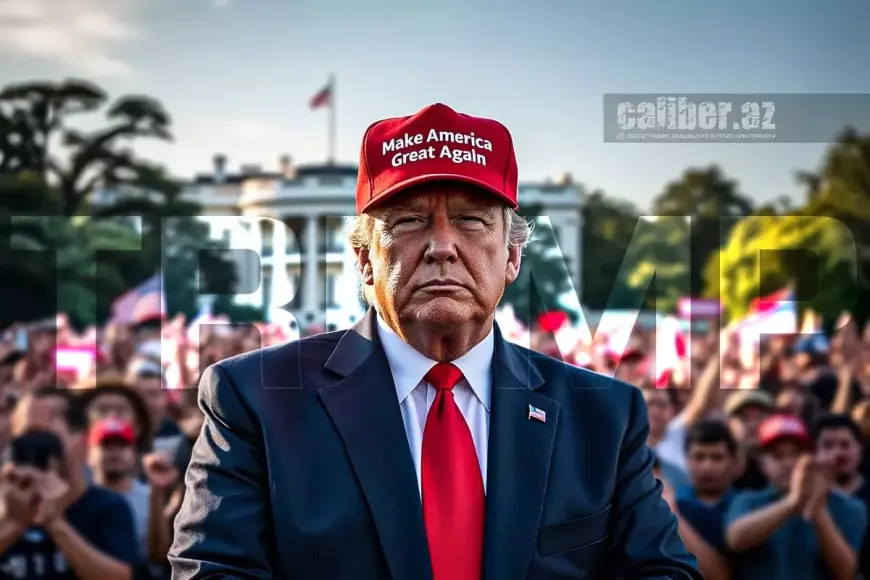
Recent opinion and analysis in the provided coverage outline a striking shift in the relationship between the presidency and the press, themes that readers searching nytimes. com will encounter in contemporary debate. The latest assessments argue that a mix of litigation, financial pressure and sustained rhetorical attack has dramatically altered how traditional media operate and how much influence they retain.
What Nytimes. com Coverage Emphasizes About Media Power
The commentary collected in the context frames this era as an upset: the long-standing influence of traditional media has been chipped away. One strand argues that, over successive presidential campaigns and terms, the press aimed to check and often to damage a high-profile political figure — and that effort did not succeed in the way many expected. Key consequences noted include successful legal challenges brought by the president against media entities and settlements that media organizations chose to accept rather than incur greater risk.
Those developments are paired in the material with explicit actions targeting public funding streams. Efforts to reduce federal support for taxpayer-funded public broadcasting were advanced and then executed, producing visible financial stress in publicly funded news programming and triggering cancellations of some weekend news shows. Commentary highlights that the funding reductions were decisive in straining operations that previously benefited from predictable federal dollars.
Mechanisms: Legal Pressure, Funding Cuts and Public Messaging
The recent pieces identify three practical tools that altered the power balance: litigation, budgetary leverage, and persistent delegitimizing rhetoric. On litigation, the president pursued legal action against multiple news organizations and secured outcomes that have been characterized as victories. Broadcast entities chose settlement paths in at least some high-profile disputes, a choice framed in the commentary as evidence of the president’s legal pressure changing media behavior.
On funding, the targeted reduction of federal support for public broadcasters created immediate programming consequences and financial shortfalls. Media figures who had urged continued federal assistance for public media were cited as having been proven wrong about the durability of those revenue streams. The result, as presented in the analysis, is a smaller public-media footprint and fewer public-funded programs on the air.
Finally, rhetoric and administrative measures were used to delegitimize adversarial outlets. The material chronicles steps taken by the presidential staff to rebut or label coverage they considered erroneous, and notes that those efforts formed part of a broader campaign that weakened opposition-leaning media structures over time.
What Comes Next for the Fourth Estate
Taken together, the coverage paints a media landscape that has been reconfigured: traditional outlets are described as less influential, some public programs have closed, and legal exposure now shapes editorial risk calculus. As the president prepared to deliver a major national address highlighted in the material, that moment was cast as further evidence that media opponents were in a fragile position.
Looking ahead, the analysis suggests several fault lines to watch. One is whether legal strategies will continue to chill aggressive reporting or instead prompt newsroom changes that reduce legal vulnerability. Another is whether the loss of public funding will prompt alternative revenue models or further program contractions. Observers who consult nytimes. com and similar sources will likely see debate concentrate on these structural shifts rather than only on headlines and personalities.
These assessments are drawn strictly from the recent opinion and analysis in the provided context. Details remain fluid and developments may evolve as legal, legislative and marketplace responses unfold.