

















Lizzie Mcguire Dad Robert Carradine’s Death Deepens Conversation on Bipolar Disorder — Family, Cast and Fans Mourn

The shock of Robert Carradine’s death is landing hardest on his family, former co-stars and fans of the lizzie mcguire era — and it is renewing focus on how long-term bipolar disorder can shape a life behind the scenes. Carradine’s family has framed his passing as the end of a nearly two-decade battle with bipolar disorder; that struggle and the private grief around it are the immediate, human consequences.
Lizzie Mcguire circle and family feel the impact first
Here’s the part that matters: children, grandchildren, siblings, nieces and nephews, and the cast members who worked with him are first in the line of impact. The family has asked for privacy while grieving a "beloved father, grandfather, uncle and brother" and described Carradine as a beacon of light for those who knew him. His older brother, actor Keith Carradine, has emphasized the family’s wish that Bobby’s long struggle with bipolar disorder be known and destigmatized.
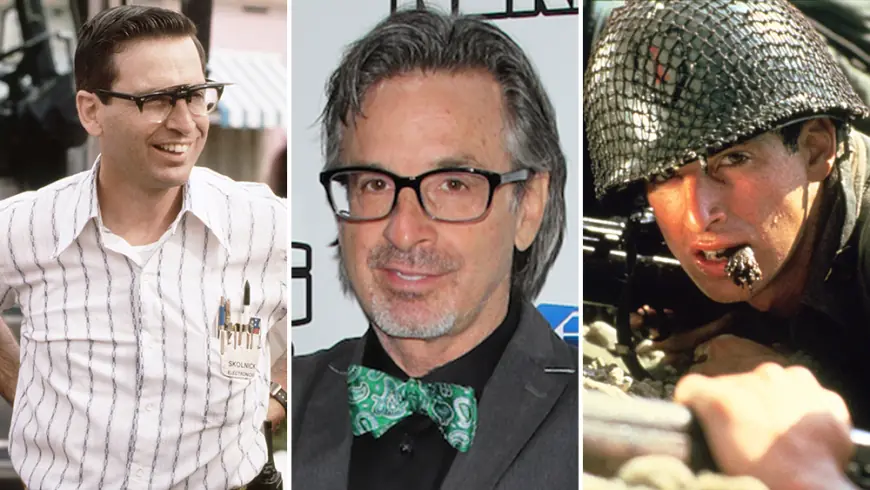
It’s easy to overlook, but the immediate ripple also reaches casual fans who remember him as the on-screen dad in the lizzie mcguire sitcom and as Lewis Skolnick in a defining 1984 comedy—roles that placed him in many households across generations.
Verified details about his death and the family response
Robert Carradine died by suicide at age 71. Confirmations arrived in late-Monday statements and in a Feb. 24 family statement; the family described a nearly two-decade battle with bipolar disorder and asked for privacy while grieving. The family’s message called him a "beacon of light" and said they hoped his journey would encourage addressing stigma around mental illness.
Survivors were listed as his children, grandchildren, brothers, nieces and nephews, and others close to him. The family explicitly requested privacy as they process the loss.
Career snapshot and personal milestones
- Born March 24, 1954.
- Made his big-screen debut in 1972 alongside John Wayne in The Cowboys; a brother encouraged him to audition.
- Appeared in Martin Scorsese’s Mean Streets and Hal Ashby’s Coming Home with Jane Fonda and Jon Voight.
- In 1980 he had two films at Cannes: The Big Red One and The Long Riders.
- In Walter Hill’s The Long Riders, Robert, Keith and David Carradine played the Younger brothers; other paired real-life brothers populated the cast.
- His biggest mainstream hit was Revenge of the Nerds, in which he played Lewis Skolnick alongside Anthony Edwards.
- Family anecdotes include David Carradine buying the movie horse Z-Tan, which later lived on Robert’s Hollywood Hills property, and sightings of daughter Ever Carradine riding the horse between their home and Runyon Canyon in the 1980s.
Mini timeline of public appearances and festival dates
- Jan. 8, 2003 — Attended the Monte Walsh premiere at Warner Bros. Studios in Burbank, California.
- Feb. 2, 2006 — Attended SBIFF opening night for Ask The Dust in Santa Barbara.
- Feb. 24, 2008 — Arrived at the 18th Night of 100 Stars Gala in Beverly Hills.
- Oct. 9, 2014 — Appeared at a King of the Nerds panel at New York Comic Con.
- March 9, 2016 — Performed with Keith Carradine at the final A Night at Sardi’s at The Beverly Hilton.
- March 27, 2017 — Attended the premiere of The Zookeeper’s Wife at ArcLight Hollywood.
- Oct. 26, 2023 — Attended an AFI Fest screening at TCL Chinese Theatre in Hollywood.
Bipolar disorder context, types and help resources
Bipolar disorder is a mental illness defined by unusual shifts in mood, energy, activity levels and concentration. There are three named forms: Bipolar I disorder, Bipolar II disorder and Cyclothymic disorder. Bipolar I is marked by manic episodes that can last at least one week and include prolonged mood instability that may feature extreme increases in energy or euphoria or depressed, irritable states. An estimated 4. 4% of U. S. adults experience bipolar disorder at some time, totaling about 11. 3 million people.
If you or someone you know may be struggling with suicidal thoughts, call 988 any time day or night or use online chat options. Crisis Text Line offers free, 24/7 confidential support by texting 741741.
Remembrances from family and cast
Family members and former co-stars have shared personal recollections: a daughter described growing up with a single dad in Laurel Canyon and said she always felt loved and protected; a niece praised his kindness and acting talent; castmates from the lizzie mcguire set recalled warmth and care from his on-screen family and expressed sorrow that he had been suffering. His brother highlighted Robert’s gifts, humor and tolerance and called him "profoundly gifted. " The family emphasized celebration of his life alongside acknowledgment of his long health struggle.
Q&A (brief)
Q: Was his death tied to mental illness?
A: The family framed his death as the culmination of a nearly two-decade battle with bipolar disorder and said he died by suicide at 71.
Q: Who survives him?
A: He is survived by children, grandchildren, brothers, nieces and nephews and others close to him.
Q: How can someone get immediate help?
A: Call 988 any time or text 741741 for Crisis Text Line support.
If you’re wondering why this keeps coming up in public conversation: the family has made the struggle with bipolar disorder a central part of how they want him remembered, hoping to reduce stigma and prompt more open discussion about mental health.
The real question now is how this moment will affect public conversations about long-term mental illness in entertainment circles and beyond. Recent remembrances underline both his professional legacy and the private challenges he faced.
What’s easy to miss is how many people — family, co-workers and casual fans — carry small, enduring memories of his work that now sit alongside a public conversation about mental health.