






















Premium Bonds: NS&I cuts prize-fund rate to 3.3% and trims big prizes from April

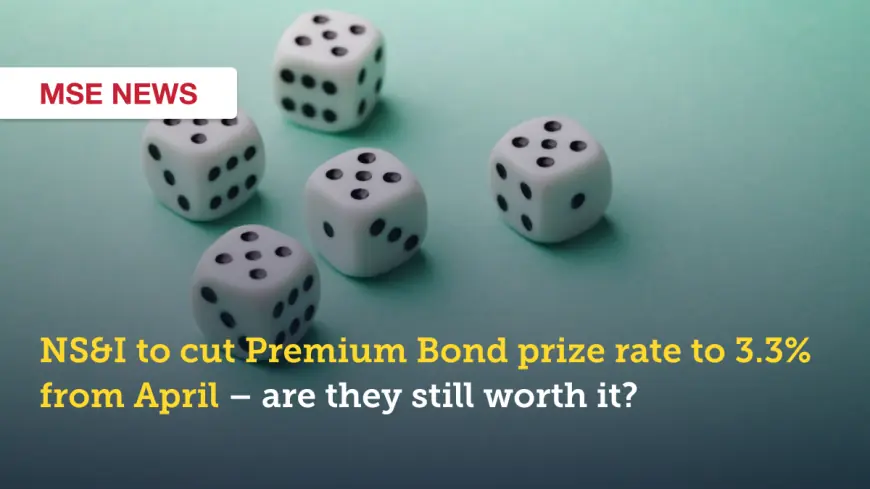
NS&I will lower the annual prize-fund rate for premium bonds to 3. 3% from 3. 6% from the April draw, a move that shortens the number of big prizes and lengthens the odds of winning—changes that will affect how attractive the product is for savers now. The shift matters because it both reduces the headline benchmark return and reduces the number of large, tax-free prizes available in the monthly draw.
Premium Bonds prize rate and odds: what’s changing in April
NS&I will cut the prize-fund rate from 3. 6% to 3. 3% for the April draw and beyond, and the odds of any single £1 bond winning a prize will lengthen from 1 in 22, 000 to 1 in 23, 000. The odds have been the same since December 2024 until this change. The April adjustments follow a run of reductions last year that drove the prize-fund rate from 4% in January to 3. 6% by August.
How the April draw reshapes prize counts
The April draw is expected to feature fewer larger prizes and a slightly smaller overall pool of prizes. The estimated number of £1 million prizes will remain unchanged at two. Estimated £100, 000 prizes fall to 71 in April from 78 in February, and £50, 000 prizes will fall from 154 in February to an estimated 143 in April. Prizes worth £25, 000 are forecast at around 284 in April, down from 311 in February, and estimated £10, 000 prizes fall from 777 to 712 over the same period. The number of £25 prizes is set to rise to about 2, 806, 003 in April, up from 2, 643, 007 in February, while the total number of prizes in April is expected to be around 5, 943, 029, down from 6, 183, 066 in February.
What the change means for savers and typical returns
The annual prize-fund rate is the nearest thing premium bonds have to an interest rate, and cutting it from 3. 6% to 3. 3% lowers that benchmark. Most people with typical luck will not receive the headline rate—either 3. 6% or 3. 3%—even with the maximum £50, 000 invested. For most savers with average luck, accounts that pay interest are now even more likely to beat premium bonds because interest is a guaranteed return rather than a random prize. For example, a top easy-access standard non-ISA rate of 4. 5% would pay £45 a year for every £1, 000 saved; by contrast, many people saving the same £1, 000 in premium bonds would win nothing in a month’s draw.
Tax, ISAs and who might still favour Premium Bonds
Premium Bond prizes are tax-free, which can matter for savers nearing or exceeding their personal savings allowance (PSA). The PSA means basic 20% rate taxpayers don’t pay tax on the first £1, 000 a year of interest, higher 40% rate taxpayers don’t pay tax on the first £500 a year, and top 45% rate taxpayers pay tax on all interest. With a top standard (non-ISA) easy-access rate of 4. 5%, it takes just over £22, 222 in savings for a basic-rate taxpayer to exceed their PSA and just over £11, 111 for a higher-rate taxpayer. If someone has larger cash deposits, has already used a £20, 000 a year ISA allowance and therefore risks exceeding their PSA, premium bonds may still be a reasonable choice—provided they accept the random nature of prizes. For savers who prefer guaranteed, tax-free returns, cash ISAs remain likely the better option; the top easy-access cash ISA rate is currently 4. 4%, slightly lower than the top standard non-ISA rate but tax-free and offering a guaranteed return that is higher than the current premium bonds prize rate of 3. 6%.
NS&I’s rationale, scale and the market backdrop
NS&I, which is backed by the Treasury, says it must balance the interests of savers, taxpayers and the wider financial market while meeting set targets for the amount of net finance it needs to raise each year for government. Andrew Westhead, NS&I retail director, said the change to the prize-fund rate and odds reflects shifts in the wider savings market and helps balance those interests. He added that Premium Bonds continue to be the most popular UK savings account, and noted that Premium Bonds have recently passed £40 billion in prizes drawn. The April draw is expected to have close to six million tax-free prizes worth around £375 million. Launched 70 years ago in November 1956, Premium Bonds are marketed on 100% security, the flexibility to withdraw easily and the chance of potentially winning a tax-free prize each month. The Bank of England base rate was reduced in December, and further reductions are expected; that backdrop was cited as part of the wider market context for NS&I’s decision. People can hold up to £50, 000 in Premium Bonds, including those aged under 16.