















How the Cjng Shock Is Hitting Communities and Security: who feels the impact after El Mencho’s death

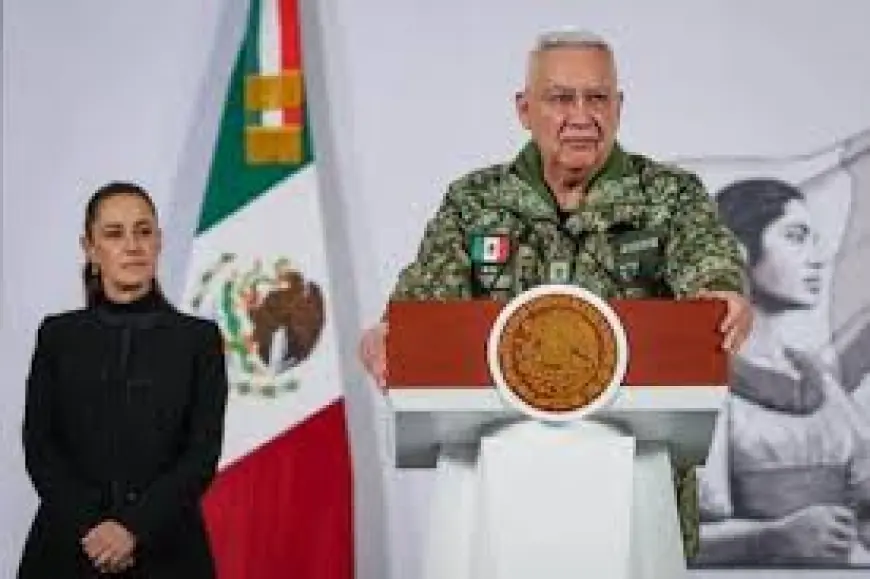
The death of Rubén Nemesio Oseguera, known as El Mencho, has immediate human consequences: civilians advised to stay home, local services under strain and security forces stretched. The cjng leadership blow triggered a concentrated wave of violence and mass road blockades across Mexico that left dozens dead, hundreds of blockades recorded and key transport points watched closely into Monday.
Cjng fallout: who is most affected and how
Here’s the part that matters: residents in cities and rural areas where blockades and clashes occurred faced sudden disruption to daily life, while security personnel bore the first violent response. Authorities asked the public to remain at home for safety as multiple states recorded isolated attacks and blockades following the operation that killed El Mencho.
What happened in the Jalisco operation (essential facts)
An Army operation in a forest in Jalisco resulted in the death of Rubén Nemesio Oseguera, alias El Mencho, identified in the context as the leader of the Cartel Jalisco Nueva Generación. The action in Jalisco left seven narcotraficantes dead and at least three soldiers wounded during the initial operation. The United States had offered 15 million dollars for information leading to his capture, and the operation had help from Washington.
Nationwide unrest and the scale of blockades
Violence after the operation expanded beyond Jalisco: the federal government recorded 252 blockades across the country, most concentrated in Jalisco. By the close of Sunday at 20: 00 hours, 90% of those blockades were deactivated and 23 remained active. Authorities urged people to stay at home while local forces addressed hundreds of isolated incidents.
- States with “focal events and isolated blockades” attended by local forces: Aguascalientes, Baja California, Chiapas, Colima, Estado de México, Guanajuato, Guerrero, Hidalgo, Michoacán, Nayarit, Nuevo León, Oaxaca, Puebla, Quintana Roo, Sinaloa, Tabasco, Tamaulipas, Veracruz and Zacatecas.
Casualties, security-force losses and the unfolding toll
Beyond the immediate casualties in Jalisco, the federal government communicated a harsher toll from retaliatory attacks: at least 25 elements of the National Guard and one member of the Attorney General’s Office lost their lives in attacks carried out by organized crime after the death of Nemesio Oseguera Cercantes, alias El Mencho. The contrast between the soldiers wounded in the Jalisco firefight and the later, higher toll among security forces underscores the rapid escalation of violence after the operation.
Mexico City response: calm messages and heightened readiness
Clara Brugada, head of government of Mexico City, said “En Ciudad de México estamos en calma” and urged residents not to fall into disinformation that generates fear, noting that services in the capital are operating normally. She invited families to continue daily routines—bringing children to school and going to work—and said information would be provided permanently and transparently. As a preventive measure, her Cabinet remained in permanent session.
Security steps in the capital included a deployed operation with support from federal elements, reinforced surveillance at the airport and road points, and continued preventive patrols across neighborhoods. Brugada noted that Cóndores, the helicopters of the Secretariat of Security, were conducting permanent and periodic overflights.
- The operation in Jalisco left seven alleged cartel members dead and at least three soldiers wounded.
- Following El Mencho’s death, at least 25 National Guard members and one Attorney General’s Office official were killed in attacks.
- Authorities logged 252 blockades nationally; 90% were deactivated by 20: 00 hours Sunday, with 23 still active at that time.
- Local responses took place in 19 named states (listed above); the public was asked to stay home for safety.
The real question now is how long heightened tensions and fragmented violence will persist and how quickly normalcy can be restored across affected regions. What’s easy to miss is that the immediate security numbers capture only part of the social disruption—schools, transport and local commerce face interruption even where direct violence does not occur.
One detail in the provided coverage remains unclear in the provided context: an incomplete line about flights to Puerto Vallarta. Details on that point were cut off and are unclear in the provided context.
Micro timeline: Sunday — Army operation in Jalisco kills El Mencho; same day — seven narcotraficantes dead and at least three soldiers wounded; by Sunday 20: 00 hours — 252 blockades logged and 90% deactivated; Monday — federal government reports at least 25 National Guard members and one Attorney General’s Office member killed in post-operation attacks.
If you’re wondering why this keeps coming up, note that the operation combined a domestic Army action with assistance from Washington and targeted a figure described as both the most wanted and most dangerous—factors that amplified the scale of the reaction across multiple states.