




















Gta Vi price leak forces a rethink of launch expectations after high Xbox listing appears

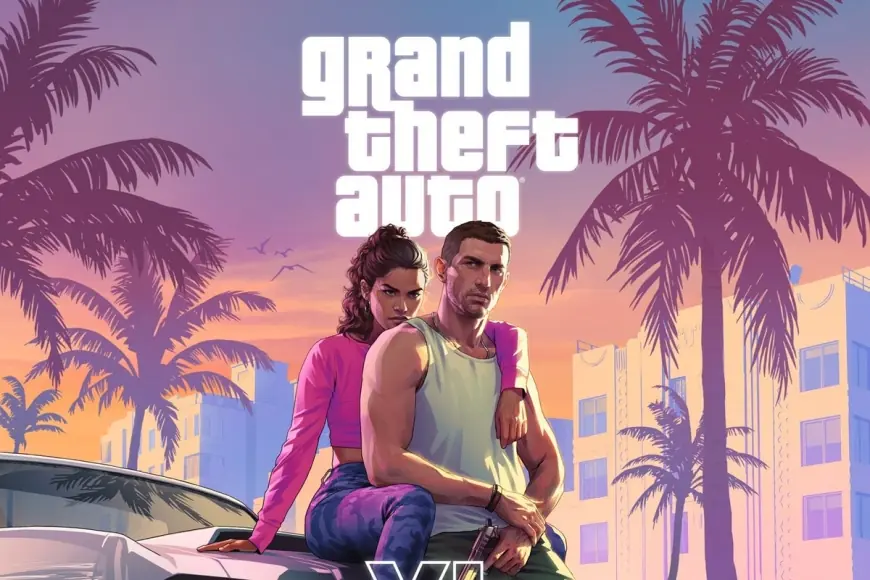
A recently surfaced digital storefront listing has injected fresh uncertainty into expectations for gta vi by showing an £89. 99 price for the Xbox edition and a separate £60. 99 tag for a PC code. The split in headline numbers shifts the conversation away from pure release timing and toward how the game will be sold, who pays what, and whether PC players will see the same availability or price at launch.
Gta Vi pricing ripple: immediate consequences for shoppers and launch plans
What changes because of this apparent listing is simple: headline expectations about how much players must budget for gta vi are moving up. If the Xbox tag is treated as a guide, that number would likely translate to a roughly $99. 99 equivalent in the U. S., pushing the top end of what many call a standard full-price game. Meanwhile, the lower PC code price in the same listing complicates assumptions about parity between platforms and whether PC buyers will actually get day-one access at that price.
Here’s the part that matters for players: a digital storefront that’s frequently used by PC customers shows two different price points in one place. That split raises practical questions for consumers, retailers and platform storefronts about how editions will be differentiated and whether online multiplayer being listed at launch affects overall packaging and cost.
What the listing shows (and what is still unclear)
- Xbox edition price shown as £89. 99, which has been suggested as likely to become a $99. 99 U. S. tag.
- PC code shown separately at £60. 99 in the same listing.
- The listing includes a brief summary, screenshots taken from the game's official slate, and an indication of online multiplayer at launch.
- There is no confirmation from the developer and publisher about the game’s price or whether PC will launch alongside consoles in November.
It’s important to note the listing is described as a placeholder in tone and content, and similar placeholders for other games have shown unlikely prices before. This listing could therefore be arbitrary, but even placeholders shape consumer expectations and retailer preparations.
What’s easy to miss is that the storefront tied to the listing has a long history of offering PC codes and being favored by PC gamers, which helps explain why a separate PC price appears. That context matters because it changes the interpretation of whether the lower PC tag signals a confirmed PC-day-one plan or simply an internal inventory listing for codes.
Mini timeline (verifiable notes):
- Multiple proposed pricing points for the game have appeared in recent months.
- This particular digital storefront listing surfaced with distinct Xbox and PC prices and launch-related descriptors.
- The same storefront has presented far-off or uncertain titles with specific price tags in the past, suggesting placeholders are common.
If you’re wondering why this keeps coming up: pricing is already a hot topic because a top-tier tag on consoles would push the perceived ceiling for mainstream releases, and a divergence between console and PC pricing affects buyer sentiment and pre-order behavior.
Stakeholders likely to feel these ripples first include console buyers who may face a higher outlay, PC gamers watching whether that platform is matched at launch and digital retailers who will need to reconcile placeholder listings with official pricing. The uncertainty also feeds into broader conversations about what a "standard" game should cost when online components are billed as part of the package.
The real test will be the official confirmation from the developer and publisher; until then, updates may evolve. Recent coverage shows this isn’t the first pricing point floated publicly in recent months, so expectations could still shift.
Minor editorial aside: the bigger signal here is less the exact numbers and more how a single storefront’s placeholders can reset market expectations—especially when those placeholders present inconsistent pricing across platforms.