























What Does El Mencho Mean? The Name Behind Mexico's Most Feared Cartel Boss

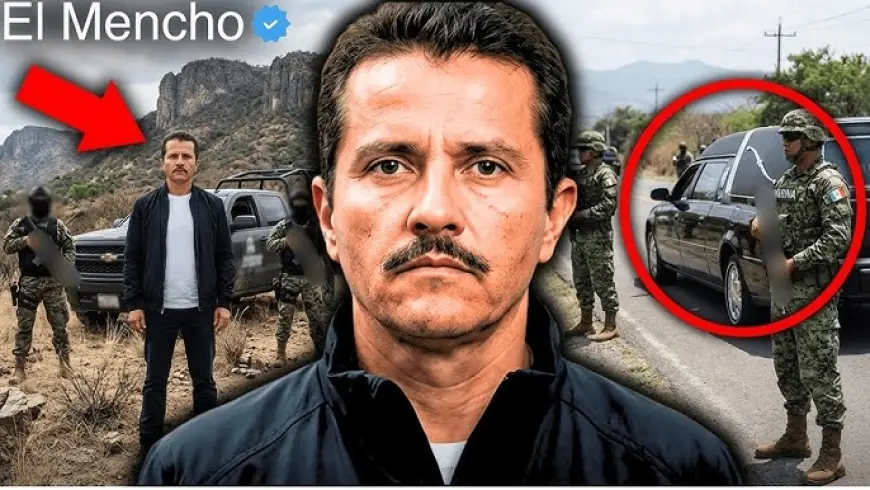
With the death of Nemesio Oseguera Cervantes dominating global headlines, millions of people are asking the same basic question: what does El Mencho mean? The answer is surprisingly simple — and far less dramatic than the man himself.
El Mencho: The Literal Meaning
"El Mencho" is a Spanish-language nickname with no direct English translation and no deep symbolic meaning. It is simply a casual, affectionate diminutive — a shortened, street-style version of his given name, Nemesio. In Mexican Spanish culture, it is common practice to take a long or formal name and reshape it into a softer, more familiar nickname for everyday use. "Mencho" is that informal version of Nemesio, much the way someone named Roberto might go by "Beto" or someone named Francisco by "Paco."
The word "El" is simply the Spanish masculine article meaning "The." So in its most literal sense, El Mencho translates to nothing more than "The Mencho" — a personal identifier, not a title or a symbol of power.
How "Mencho" Becomes From "Nemesio"
The phonetic jump from Nemesio to Mencho follows a pattern common in Mexican regional dialects, particularly in the rural states of Michoacán and Jalisco where Oseguera grew up. The name is softened, the first syllables altered, and a diminutive ending applied — a natural evolution in spoken informal language. It carries no built-in meaning related to violence, leadership, or crime. It was simply what people called him.
His Other Nickname: "The Lord of the Roosters"
El Mencho had a second, more evocative alias: "El Señor de los Gallos" — translated directly as "The Lord of the Roosters." This one did carry a symbolic meaning. It derived from his well-documented passion for cockfighting, a traditional practice in rural Mexico. While El Mencho remained his dominant name in law enforcement, media, and public life, the rooster nickname reflected the rural cultural world he grew up in.
Why a Simple Nickname Became Synonymous With Terror
The name El Mencho carried no inherent menace when first used. What transformed it into one of the most feared phrases in modern criminal history was the empire built behind it. Under his leadership, the Jalisco New Generation Cartel became one of the two most powerful criminal organizations on the planet — rivaling the Sinaloa Cartel, with an operational presence in all 50 U.S. states and operations spanning Mexico, South America, Europe, and Australia.
| Alias | Meaning | Origin |
|---|---|---|
| El Mencho | "The Mencho" — informal diminutive of Nemesio | Given name, Mexican nickname tradition |
| El Señor de los Gallos | "The Lord of the Roosters" | His love for cockfighting |
| El Menchito | "Little Mencho" | Nickname of his imprisoned son, Rubén Jr. |
How Cartel Nicknames Work in Mexican Culture
El Mencho sits in a long tradition of cartel leaders known by their aliases rather than their legal names. Joaquín Guzmán was known globally as "El Chapo" — meaning "Shorty," a reference to his height. Amado Carrillo Fuentes was called "El Señor de los Cielos" — "Lord of the Skies" — because of his fleet of Boeing 727 jets used for drug smuggling. These nicknames serve multiple purposes: they simplify identification within communities, build a personal mythology, and ultimately become the names that outlast the men themselves.
In the case of El Mencho, the name began as an ordinary nickname used by childhood friends and family in rural Michoacán — and ended as the alias plastered on a $15 million USD U.S. State Department reward poster, spoken in law enforcement briefings from Washington to Rome, and now etched permanently into the history of organized crime.