




















Asha Sharma Named Microsoft Gaming CEO, Replacing Phil Spencer as Xbox Enters New Era

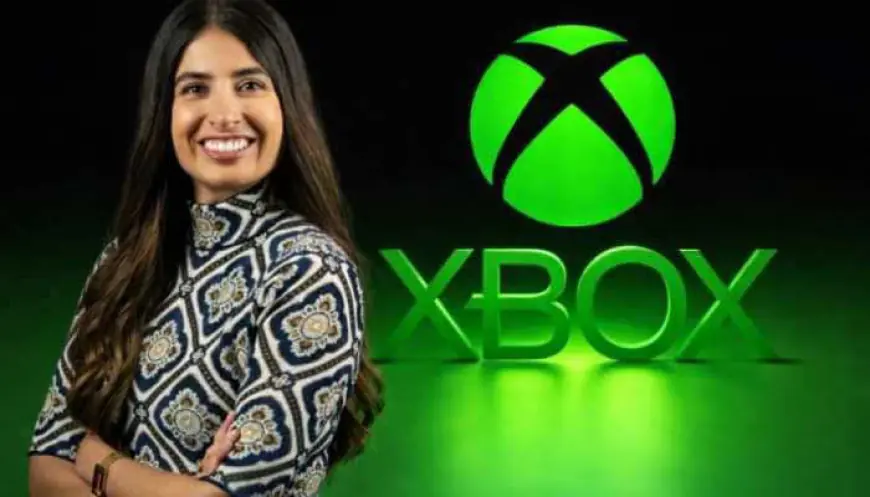
In one of the most significant leadership changes in gaming history, Microsoft named Asha Sharma as Executive Vice President and CEO of Microsoft Gaming on Friday, February 20, 2026 — replacing longtime Xbox chief Phil Spencer, who is retiring after 38 years with the company. The announcement, made by Microsoft CEO Satya Nadella in a memo to employees, signals a deliberate strategic pivot for a gaming division facing declining revenue, increased console competition, and a critical inflection point in the AI era.
Who Is Asha Sharma?
Sharma, an executive of Indian origin, arrives at Microsoft Gaming as an outsider to the gaming industry but a well-credentialed platform builder. Her career spans some of the most consequential consumer technology companies of the past decade:
| Company | Role | Key Achievement |
|---|---|---|
| Microsoft (2011–2018) | Marketing & Product | Early career foundation |
| Porch Group | COO | Helped guide company to $1B public debut |
| Meta | VP, Product & Engineering | Led Messenger and Instagram Direct — reaching billions of users |
| Instacart | Chief Operating Officer | Managed $30B+ GMV P&L; guided company to profitability and IPO |
| Microsoft (2024–2026) | President, CoreAI Product | Oversaw Azure AI, Azure OpenAI Service, AI Foundry, and Responsible AI systems |
Over the last two years at Microsoft, and previously as COO at Instacart and a Vice President at Meta, Asha has helped build and scale services that reach billions of people and support thriving consumer and developer ecosystems.
What Happened to Phil Spencer — and Sarah Bond
Spencer, who took charge of Xbox in 2014 after running the company's gaming studios, nearly tripled Microsoft's gaming business in part through acquisitions like Activision Blizzard. He spent 38 years total at Microsoft. Sarah Bond, who had been widely seen as Spencer's most likely internal successor as Xbox President and operating chief, also announced she would be leaving the company. Both Spencer and Bond said they would advise Sharma through the transition.
Matt Booty, the longtime head of Microsoft's game studios, has been promoted to Executive Vice President and Chief Content Officer, reporting directly to Sharma — pairing her platform and AI expertise with his decades of gaming credibility.
Sharma's Three Strategic Priorities for Microsoft Gaming
Sharma laid out three priorities in her introductory memo: great games above all else, a recommitment to Xbox's core console fans, and what she called the "future of play" — new business models and a shared platform where developers and players can create together. She vowed not to treat the company's iconic franchises as "static IP to milk and monetize," and said she wants to return to "the renegade spirit that built Xbox in the first place."
Her Stance on AI in Gaming
Given Sharma's deep AI background, the gaming community immediately raised concerns about generative AI being used to replace human game developers. Her answer was unambiguous. Sharma says her stance is simple: she has "no tolerance for bad AI," adding that "great stories are created by humans."
The Business Challenge Ahead
Sharma is inheriting a division under significant financial pressure. Revenue from video games at Microsoft declined about 10% in the December quarter from a year earlier, a steeper drop than the company expected, while Xbox hardware revenue fell 32%. Microsoft also announced an unspecified impairment charge in its gaming business in January. Current-generation Xbox consoles continue to trail Sony's PlayStation and Nintendo's Switch in market share, and multiple studio closures over recent years have damaged morale across the business.
Sharma acknowledged the tumultuous state of the gaming industry, noting that gaming needs new "growth engines," and that the larger transformation of the sector requires "protecting what we believe in while remaining open-minded about the future."
Microsoft Gaming currently reaches over 500 million monthly active users across console, PC, mobile, and cloud — and the Xbox brand turns 25 this year, a milestone Sharma says she is looking forward to helping define.