





















Martin Lewis ambushes Badenoch over student loans plan in live morning-show row

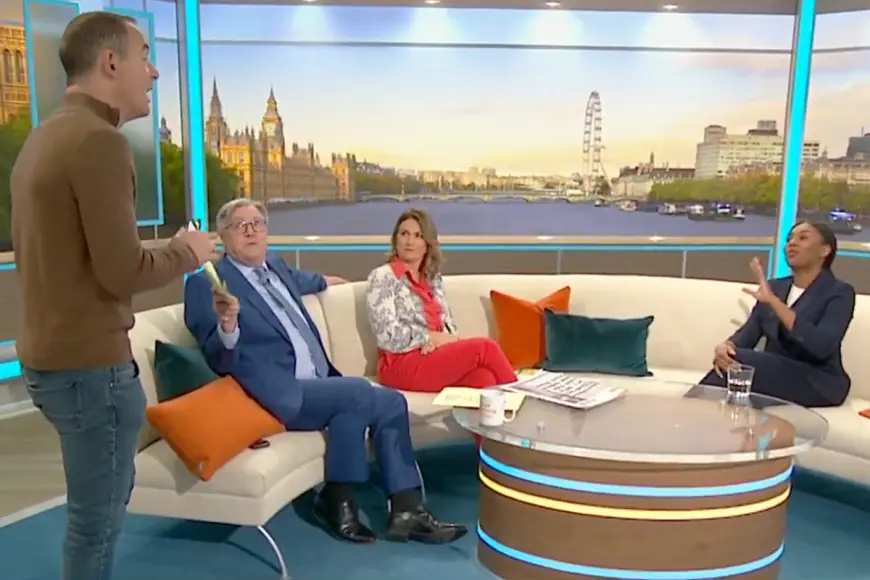
Consumer campaigner Martin Lewis interrupted a live interview with Conservative leader Kemi Badenoch on a national morning show to challenge her party’s plan to cut interest rates on some student loans, arguing the measure will mainly help higher earners and leaving both participants and viewers with a clear contest over what will actually help graduates.
Martin Lewis interrupts live interview and apologises
Martin Lewis marched onto the studio set after Ed Balls, who was interviewing Kemi Badenoch, pressed her on whether the Tory proposal would mainly benefit former students in the highest-paying jobs. Lewis began shouting from off-set, walked into shot to side with Balls and ended up sitting on the sofa. He was at one point asked to 'take a seat' during the interaction and later apologised for gatecrashing the interview, writing on social media that he regretted the interruption and asking Badenoch’s office for a calmer meeting to discuss the issue.
What the Tory student loans plan would change
The Conservative plan, described as set out overnight, would scrap any above-inflation interest rate increases on so-called Plan 2 student loans in England for those who started courses from 2012 to 2022. That change is to be financed by cutting tens of thousands of university courses deemed not to provide 'value for money'. The shadow education secretary suggested that could include creative arts courses.
Why Martin Lewis says the interest cut helps top earners, not middle earners
Lewis argued that lowering the interest rate now will mainly help those who can fully clear their loans within the 30-year repayment period, meaning lower and middle-earning graduates will not benefit. He emphasised that boosting the repayment threshold would better help middle-earning students, and added that if a sum such as £1bn were available to help students, the most direct route would be not freezing the repayment threshold. He has also called on the Chancellor to change a key decision on student loans made in the last budget, calling that decision a breach of the contract graduates originally signed.
Badenoch’s defence and willingness to debate
Badenoch stuck to her view on the morning show, insisting 'everybody will benefit' from the proposed changes and saying 'I’m the first person who’s even trying to solve this problem. ' She welcomed the chance to discuss further, telling Lewis she appreciated the interaction, that she 'does love a feisty debate', and offering to debate her plan against his on her show. In more detailed remarks later, she described student loans as having 'become a scam', recalled taking eight years to pay off her own loan with a last payment in 2011 when her debt was £14, 000, and contrasted that with what she said might be a typical graduate debt of £40, 000 today. She also said the measures introduced by the Coalition government in 2012 are not working for the world of 2026.
Broader claims and public trust
Lewis, who styles himself as a money-saving expert and regularly appears on the morning programme, described the student loans system as a 'nightmare' and a 'mess'. Polling referenced during the exchange shows he is heavily trusted by much of the public on personal finance matters. He has focused attention on controversial Plan 2 loans and warned that some of the governmental changes would be the kind of alterations a regulator would strike down if carried out by a commercial lender.
Immediate aftermath and reactions
After the confrontation, Lewis apologised for the interruption and said Badenoch had handled it far better than he would have. He reiterated his request to meet to discuss the policy calmly; Badenoch replied that she would be happy to do so and looked forward to a debate. Commentators and a columnist who reviewed the exchange judged it a win for the Tory leader, while the programme audience was left with a clear framing of the policy choice: cut interest now or change the repayment threshold to help a broader range of graduates.
Details provided here are drawn from recent coverage of the interaction. Some elements of the unfolding political response remain developing and may be clarified in follow-up discussions between the participants.