







What Happened in Mexico: El Mencho Killed, Cartel Violence Erupts Nationwide

Mexico is living through one of its most consequential security moments in decades. On Sunday, February 22, 2026, Mexican military forces killed Nemesio "El Mencho" Oseguera Cervantes — the most powerful and most-wanted cartel boss in the country — triggering an immediate wave of coordinated retaliatory violence that paralyzed multiple states, shut down airports, and forced hundreds of thousands of people to shelter in place. Here is the full story of what happened in Mexico.
Who Was El Mencho?
Nemesio Rubén Oseguera Cervantes, known universally as "El Mencho," was the leader and co-founder of the Jalisco New Generation Cartel (CJNG) — one of the most powerful, fastest-growing, and most dangerous criminal organizations in the world. The DEA considered CJNG as powerful as the Sinaloa Cartel, with an operational presence in all 50 U.S. states.
El Mencho was notorious for trafficking fentanyl, methamphetamine, cocaine, and heroin into the United States. His cartel pioneered the use of explosive-armed drones and land mines against the Mexican military and carried out a brazen assassination attempt against Mexico City's top police chief in 2020, firing grenades and high-powered rifles in the middle of the capital. The U.S. State Department had placed a $15 million USD bounty on his head, and he had been indicted multiple times in U.S. federal courts since 2017. In February 2025, the Trump administration formally designated CJNG as a foreign terrorist organization.
How the Operation Went Down
The kill operation was weeks in the making and came together through a chain of intelligence that began February 20, when investigators identified a key associate with access to El Mencho's hideout. The break came through the romantic partner of one of El Mencho's most trusted workers, who led authorities to a secluded cabin complex on the outskirts of Tapalpa, in the western state of Jalisco. On February 21, the woman left the property — and intelligence confirmed El Mencho remained inside with his security detail.
Mexico's Air Force and the National Guard's Special Immediate Reaction Force launched the operation before his location could be compromised again. During the raid, troops came under heavy fire. Four cartel members were killed at the scene, two were arrested, and El Mencho — along with two others — was wounded and died while being airlifted to Mexico City. Three members of the Mexican armed forces were also wounded. Armored vehicles, rocket launchers, and other weapons were seized at the site.
White House Press Secretary Karoline Leavitt confirmed that the United States provided intelligence support for the operation. "President Trump has been very clear — the United States will ensure narcoterrorists sending deadly drugs to our homeland are forced to face the wrath of justice they have long deserved," Leavitt said.
The Cartel's Retaliation: Chaos Across Mexico
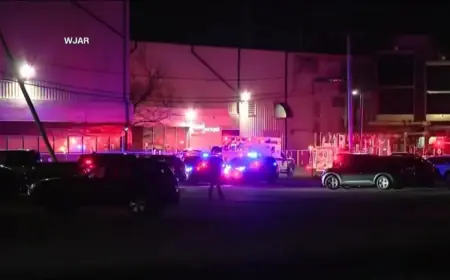
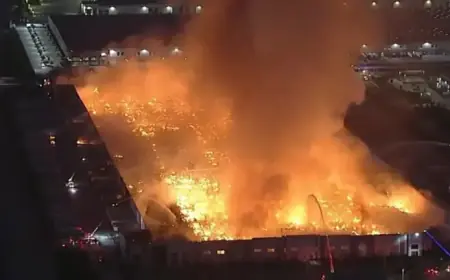
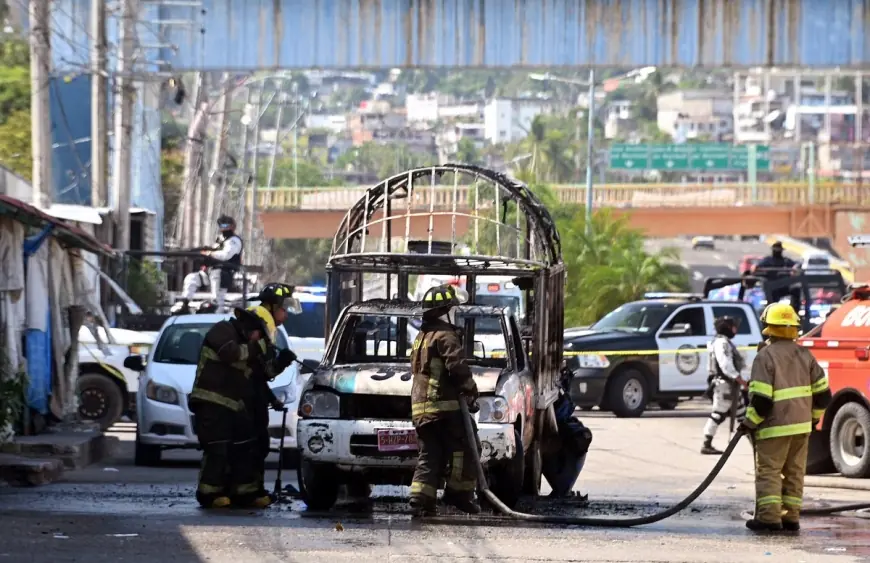
Within hours of El Mencho's death, CJNG unleashed a coordinated retaliatory assault across Mexico. By Sunday night, 252 narco-blockades had been reported on federal highways across 11 Mexican states, including Jalisco, Colima, Michoacán, Nayarit, Guanajuato, and Tamaulipas. Vehicles were set ablaze, roads were blocked with burning cars and buses, and smoke billowed over major cities.
| Location | Impact |
|---|---|
| Guadalajara | Turned into a ghost town; metro suspended |
| Puerto Vallarta | Airport shut down; all international/domestic flights canceled |
| Jalisco (statewide) | Code Red declared; public transport halted |
| Michoacán | Ongoing blockades; multiple deaths reported |
| Cancun / Quintana Roo | U.S. shelter-in-place advisory issued |
| Monterrey / Tamaulipas | Travel warnings for U.S. government staff |
At least 14 additional people were killed in Jalisco, Michoacán, and Guanajuato on Sunday, including seven National Guard troops. Videos went viral showing panicked travelers sprinting through Guadalajara airport, smoke rising over Puerto Vallarta's coastline, and tourists stranded on beaches with nowhere to go.
Where Things Stand Today
As of Monday, February 23, the security situation is gradually stabilizing in some areas — but Mexico is not out of the woods. By nightfall Sunday, Mexico's security ministry reported that zero narco-blockades remained on federal highways, down from 85 at the peak of Sunday's unrest. Guadalajara's metro system has mostly reopened. Public transport in Jalisco resumed Monday. Jalisco, however, remains under Code Red, with residents still being urged to stay home unless absolutely necessary.
The U.S. Embassy's shelter-in-place orders for Cancún, Playa del Carmen, Cozumel, Puerto Vallarta, Guadalajara, Tijuana, and other cities remain in effect through today. Mexican President Claudia Sheinbaum has called for calm, stating: "Peace, security, and normalcy are being maintained in the country."
What Comes Next: Power Vacuum and the FIFA World Cup
The biggest question hanging over Mexico today is who — or what — comes next. El Mencho leaves no clear successor. His brother is imprisoned in the United States, his son "El Menchito" is also behind bars, and his daughter is in custody. Analysts warn this leadership vacuum could trigger an internal power struggle between CJNG's regional bosses, potentially sparking a civil war within the cartel — a pattern previously seen when Sinaloa Cartel leader Joaquín "El Chapo" Guzmán was arrested.
The timing adds enormous stakes. Guadalajara is a FIFA World Cup 2026 host city, and the tournament is set to kick off this summer on U.S., Mexican, and Canadian soil. Sunday's chaos raised immediate alarms about whether Mexico can ensure security at that scale — a question the Sheinbaum government will now have to answer urgently.