






Gary Antuanne Russell Poised to Steal the Show on the Barrios–Garcia Undercard — What Fans in Las Vegas Can Expect

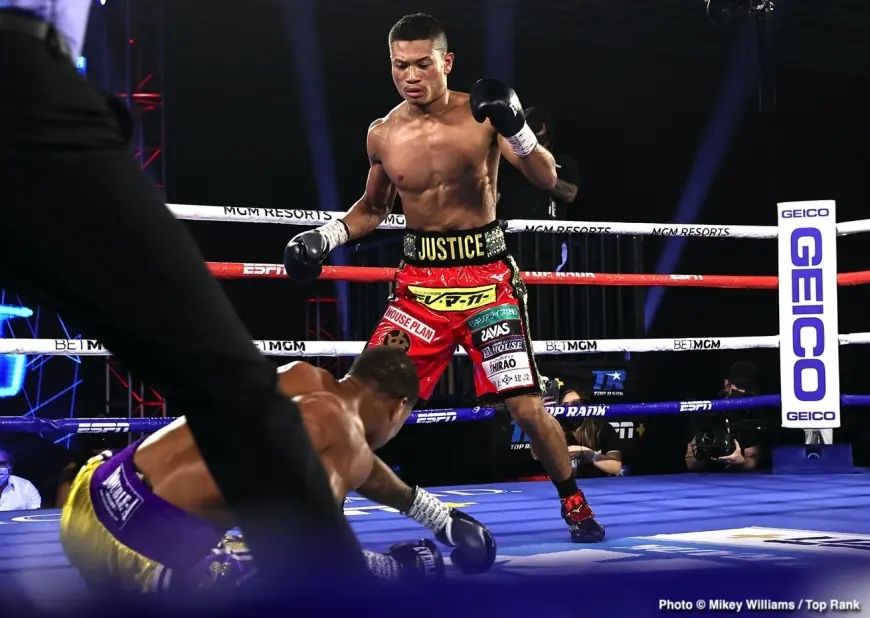
For fight fans in Las Vegas and followers of the junior‑welterweight ranks, gary antuanne russell’s title defense is less a supporting act and more a strategic moment. With an unbeaten mandatory challenger finally cleared to travel, Russell gets a high‑visibility platform that can accelerate matchmaking ambitions and shift attention inside the 140‑pound division. Here’s the part that matters: this night will test whether his in‑ring tools and recent exposure change how matchmakers and audiences value him.
Gary Antuanne Russell’s night matters to fans, rivals and future matchups
Russell arrives with a heavy knockout rate and a recent elevation in profile from appearing on the same major card as other headline names. For local fans, the bout offers a live showcase of the WBA title; for television viewers it provides an early barometer of Russell’s readiness for higher‑tier opponents who have moved up to 140. If he delivers a clear, emphatic defense, momentum could shift toward bigger, more marketable pairings with the division’s top names.
What’s easy to miss is that this is more than one night’s result — it’s a crossroads for scheduling and matchmaking. The matchup’s viability was preserved by a late travel clearance for the challenger, and that narrow escape keeps the division’s immediate plans intact rather than forcing a reshuffle.
Event details and the immediate sequence around the defense
Russell will defend the WBA 140‑pound title against Andy Hiraoka on the undercard of the Barrios–Garcia headliner at T‑Mobile Arena. Hiraoka had a last‑minute visa delay that was resolved, allowing the mandatory challenger to travel from Japan and preserve the scheduled title fight. The card also features Richardson Hitchins defending his own junior‑welterweight belt on the same show.
- Russell’s pro record entering the night stands with heavy stoppage numbers and one loss on his ledger; he was an Olympic teammate and training partner with another high‑profile east coast fighter who recently moved up and won on the same card earlier in the year.
- Hiraoka comes in undefeated and had been the WBA mandatory after a noted knockout in Tokyo; travel clearance was late but confirmed, avoiding a replacement or postponement.
- The matchup was rescheduled previously when plans were impacted by another high‑profile fighter’s legal situation, making this defense the first to proceed after that disruption.
If you’re wondering why this keeps coming up: the combination of Russell’s power, the challenger’s unbeaten run, and the card’s packed billing creates a pressure cooker where a single performance could reroute several potential future fights.
Mini timeline of relevant touchpoints:
- 2016: Russell lost to a fighter who later won junior‑welterweight Olympic gold (noted as part of his amateur pedigree).
- September 2024: The mandatory challenger secured his top WBA position with a knockout in Tokyo.
- Earlier this year: A high‑profile teammate moved up to 140 and won on the same major card, increasing spotlight on Russell.
The real question now is which audiences feel the biggest shift: casual viewers who tune in for the headliner, or the core division followers looking for clarity over championship pecking order. For both groups, Russell’s performance will be the clearest signal.
Practical implications for stakeholders: local attendees get a marquee title defense on a stacked night; the mandatory challenger gets his first fight outside Japan at this level; and promoters retain a critical matchup that had been threatened by administrative delays. If Russell shows the versatility he’s promised, his path toward higher‑profile opponents becomes easier to justify.
Writer’s aside: The bigger signal here is how a single cleared visa can preserve a sequence of plans that affect multiple fighters’ trajectories — and how thin the margin is between a smooth event and a reshuffle.