















Landry Shamet Trusted Late as Mikal Bridges Benched in Knicks' 126–111 Loss to Pistons

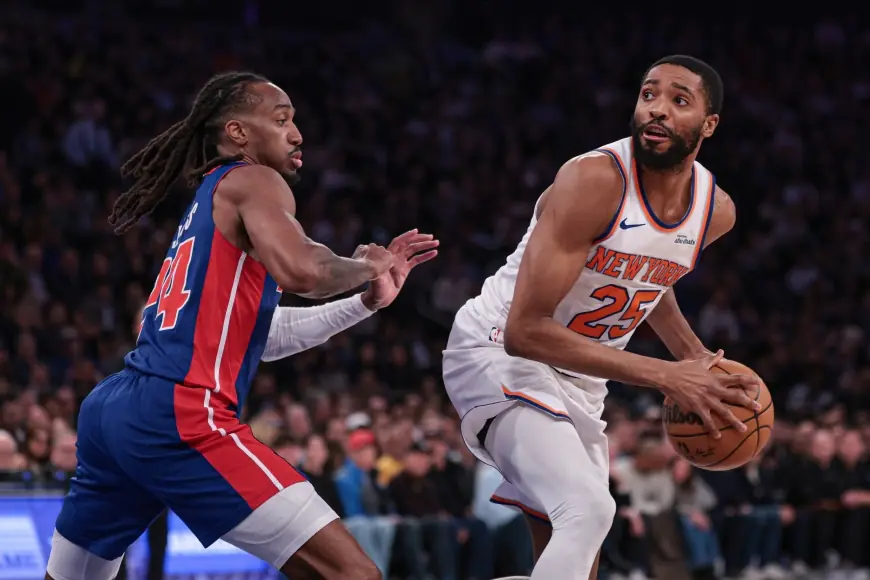
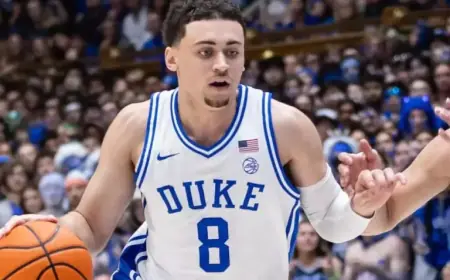
landry shamet received extended run down the stretch Thursday night as the New York Knicks fell 126–111 to the Detroit Pistons at Madison Square Garden. The decision to keep Shamet in the game while Mikal Bridges sat the final minutes has become a focal point for a team searching for consistent late-game answers.
Development details
Coach Mike Brown left Bridges on the bench with 9: 31 remaining in the fourth quarter after calling an early timeout; Bridges did not return. Landry Shamet finished the night with 15 points in 28 minutes on 4-of-10 shooting, including multiple three-point attempts. Bridges played 25 minutes and ended with eight points on 4-of-9 shooting, missing all three of his three-point attempts. The Knicks trailed for much of the fourth, and Detroit stretched the deficit to 97–81 during a brief sequence of negative possessions involving Bridges that preceded the benching.
Bridges' contract status and the cost to acquire him have amplified attention on the move: the team traded five first-round picks for Bridges and signed him to a four-year, $150 million extension. Those investments frame the expectation that he will be a reliable two-way presence in high-leverage minutes.
Landry Shamet and the benching timeline
Brown described the choice as situational, noting that Shamet had hit shots and the Knicks needed scoring, but game tape shows the benching followed three consecutive possessions that went poorly for Bridges— a turnover on a deflected pass intended for Jeremy Sochan, a missed contested corner three over Javonte Green, and a transition foul on Green. Detroit capitalized, and Bridges did not see the floor the rest of the night. Shamet provided a brief spark, pulling the Knicks within 109–97 after a layup with 5: 07 left, but the Pistons responded and closed the game behind a big night from Cade Cunningham.
Immediate impact
The late-game rotation change coincided with defensive breakdowns that Detroit exploited. Cunningham finished with 42 points, and while Bridges limited him to 1-of-5 shooting when serving as the primary defender, the Knicks’ defense loosened after Bridges' exit and OG Anunoby, who returned from a four-game absence, struggled at times to contain Detroit’s attack.
Anunoby logged 32 minutes and scored eight points after missing the previous four games with a right toenail avulsion; he said the injury required full removal of the toenail and that the area remained painful. The combination of Bridges' quiet scoring night and Anunoby's uneven containment of Detroit helped the Pistons pull away.
This was not the first time Brown turned to Shamet late: Bridges had been replaced by Shamet down the stretch in earlier victories this month, setting a pattern that has drawn scrutiny given the resources invested in Bridges. What makes this notable is the contrast between Bridges’ defensive effectiveness in certain matchups and the coaching staff’s willingness to prioritize immediate perimeter shooting in closing minutes.
Forward outlook
The Knicks will need to reconcile short-term rotation decisions with the long-term role envisioned for Bridges, who was acquired in a high-cost trade. The team’s next games will be watched for whether Brown returns Bridges to late-game lineups or continues to favor spot shooting from reserves when offense is the immediate priority. League-wide concerns about end-of-season competitiveness have produced broader discussion of competitive incentives and recent fines levied on other teams for benching healthy players, and Brown has publicly expressed support for measures that would encourage teams to fight for postseason positioning.
In the meantime, landry shamet’s late-game trust and Bridges’ limited offensive output remain tangible factors shaping how the Knicks close games and allocate minutes in the weeks ahead.