




















Paul Anka: Still Doing It His Way — New Album, Tour and No Plans to Retire

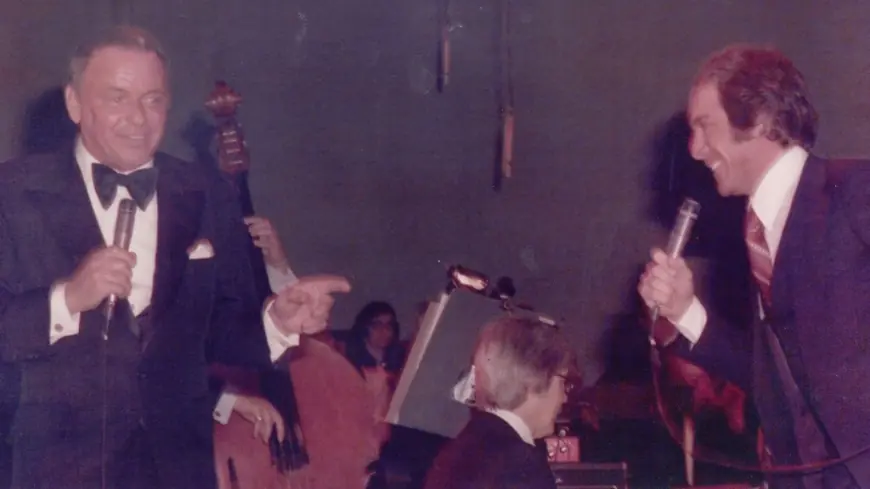
paul anka, now 84, is still actively recording and performing: he released a new album just this past week, is preparing for a March tour leg, and says he has no intention of retiring. Those developments underscore a career built on reinvention, discipline and direct control over how his music is used.
Paul Anka's New Album and Where It Fits
His latest release, Inspirations of Life And Love, arrived in time for Valentine’s Day and is presented as a collection about love and life. It joins a catalog of more than 130 recordings. The new record follows a long pattern of reinvention that has allowed him to remain present in popular culture, including a recent documentary titled Paul Anka: His Way.
Live Energy: McCallum Theatre to a March Tour Leg
Fans recently gathered at the McCallum Theatre in Palm Desert, California, where a feeling of fall was in the air and the audience fell back into the nostalgia Anka supplies. Onstage he still commands attention: when the lights go down, the room lights up. He is ramping up for the next leg of the A Man and His Music Tour in March, and says the live experience — the energy returned by crowds — is central to why he continues to perform.
How paul anka Keeps Going at 84
He traces longevity to early immersion in show business — he began around the age of 10 — rigorous personal habits and creative reinvention. He follows a disciplined routine, including a daily shot of olive oil with lemon, and describes himself as a voracious reader of medical literature. Those habits, he says, help him still hit the notes, strut the stage and keep a sense of humor in performances.
Reinvention, Languages and Writing for Others
Anka emphasizes adaptation. As a teen star he felt self-conscious about his physique and worked with a trainer and weights; later he learned enough Japanese, French, Spanish, German and Italian to record songs in multiple languages and broaden his international reach. When pop upheavals displaced performers of his era from radio, writing for others sustained his career and produced enduring works including a late-night television theme and songs recorded by other major artists.
Catalog Control, Commercials and Partnerships
He says he is protective of how his music is used. Times of Your Life was the only commercial he did, and he now personally reviews requests: nothing is approved without his expressed consent. He describes working closely with his publishing partners to grant or deny uses and stresses careful oversight over catalog placements.
Reflections on Fame, the Rat Pack and Personal Choices
Reflecting on early stardom, he recalls moving from a modest small-town background into fame and the pressures of celebrity. He spent time around the Rat Pack and in Las Vegas and watched peers drink and smoke; noticing their health problems, he avoided becoming a smoker or a big drinker. He has also written for and with other major artists across decades, including a collaboration with a major pop star whose 1980s demo surfaced after that artist's death in 2009, and songs he wrote that became hits for other performers.
Career Longevity and No Plans to Retire
He repeatedly rejects retirement. Speaking in February 2026, he said he knows what retirement is but doesn’t want it: "Let's say I do 75 days a year. I got the rest of the year to do what the hell I want. I get to write. I got my things. This is so much fun. " He credits being a writer for saving his career and notes that changing with the times is essential. Reflecting on a 2005 covers album, he recalled critics feared damage to his reputation, but he persisted.
Legacy Moments and Cultural Echoes
His catalog continues to surface in new contexts: a 2020 sample of his recording by a contemporary artist sparked a social-media trend, and one of his co-written songs became one of the final hits for a later pop icon. He has more gold records on the wall of his home outside Los Angeles than he can count, not only for his own recordings but for songs he wrote for others, including a hit made famous by Buddy Holly and another associated with Tom Jones.
Unfinished Threads and Open Items
As the story goes, Frank Sinatra once told him he was thinking about retiring and Anka — only 25 at the time — began a response that is unclear in the provided context. He also sees A. I. playing a significant role in music, but details about his perspective are incomplete in the material provided.
Across interviews and stage appearances, the portrait is consistent: an artist who controls his catalog, adapts to change, values live shows and intends to keep working on his own terms.