

















Finland Hockey: MacKinnon's late power-play lifts Canada into Olympic gold medal game

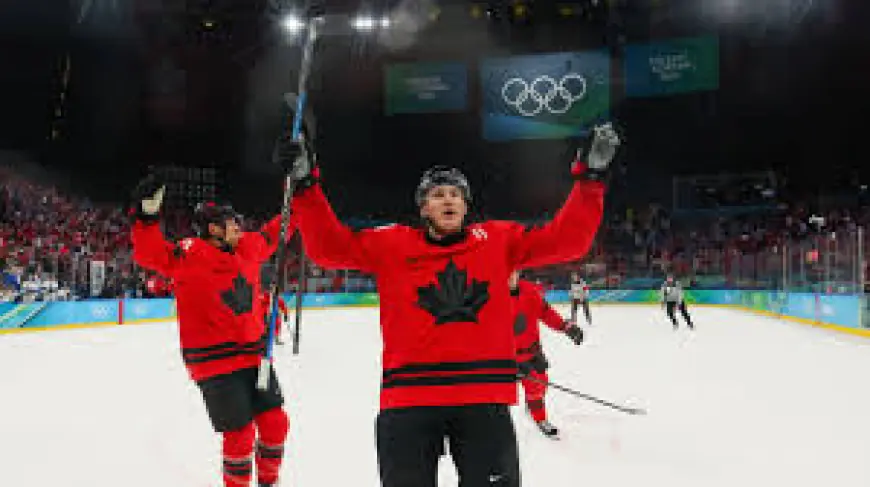
finland hockey conceded a two-goal lead and fell 3-2 in the Olympic men's semifinal after Nathan MacKinnon converted a power-play goal with 36 seconds remaining. The comeback denied the Finns a place in the gold-medal game and advanced Canada to the final while sending Finland to the bronze-medal match.
Development details
Finland opened the scoring early in the second period when Erik Haula netted a short-handed goal created after Joel Armia’s play on Sam Reinhart. The Finns held a 2-0 advantage well into the second half, but their defensive posture hardened thereafter. Canada pulled one back when Shea Theodore scored at 9: 26 of the third period, and MacKinnon finished the comeback on the power play with 36 seconds left in regulation.
Statistically, Finland’s approach had measurable consequences: they were outshot 39-17 over the contest and managed only two shots on goal across the final 17 minutes of the second period. The Finns effectively spent roughly 37 minutes in near-constant penalty-kill or defensive recovery mode, a stretch that allowed Canada to maintain territorial pressure until the late turnaround.
Finland Hockey: Context and escalation
The game unfolded as a classic clash of styles. Finland relied on its established defense-first identity—clearing the puck, limiting sustained zone time and frustrating opponents—while Canada applied relentless offensive waves. After Haula’s short-handed strike put Finland ahead, the team largely retreated into conservative hockey, prioritizing risk avoidance over possession and attack.
That cautious posture narrowed Finland’s attacking options and ceded momentum. Teuvo Teräväinen acknowledged the instinct to protect the lead, noting how Canada’s push made players reluctant to take risks that might invite three-on-twos or other dangerous chances. The Finns’ quick clears and disciplined checking disrupted Canada early, but those same tactics reduced Finnish shot volume and offensive testing of Canada’s keeper, Jordan Binnington, who was described as one of the shakier goaltenders in the tournament.
What makes this notable is how a team’s signature strength—defensive discipline—became a liability when it replaced offensive balance, producing a self-inflicted collapse rather than a controlled victory.
Immediate impact
The immediate consequence is decisive: Canada moves on to the Olympic gold-medal game, while Finland drops to contest the bronze. The turnaround erased a lead that had looked secure and handed momentum to the Canadians at the tournament's most consequential moment.
Individually, Erik Haula’s short-handed effort and Joel Armia’s involvement remain bright spots for Finland, but the team’s overall shot totals and long defensive stretch underscore the narrow margin by which their game plan failed. The Finns were successful at limiting high-danger chances for long stretches, yet that same success deprived them of offensive rhythm and allowed Canada repeated entries that culminated in the two third-period goals.
Forward outlook
With Canada booked into the gold-medal game, Finland’s next confirmed destination in the tournament is the bronze-medal match. The Finnish delegation and coaching staff will head into that game assessing how the prolonged defensive posture after taking the lead contributed directly to Canada’s comeback, and which tactical adjustments are implementable for the remaining medal opportunity.
Upcoming milestones are straightforward: Canada will prepare for the final, while Finland will prepare for the bronze-medal contest, each consequence rooted in the late, decisive moments of this semifinal.