















Aj Dybantsa Among Prospects Driving Executives to Value 2026 No. 1 Pick at $100 Million

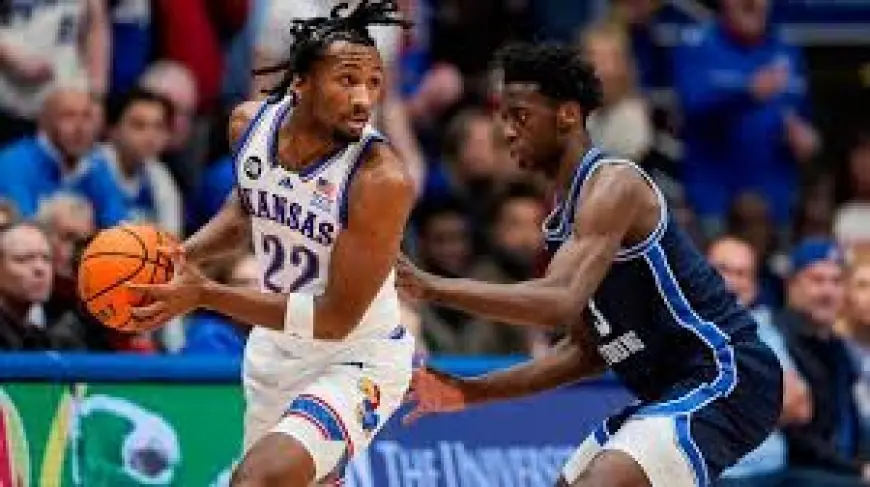
NBA insider Brian Windhorst has relayed that front offices are placing a nine-figure price on the 2026 No. 1 draft selection, arguing the top slot could be worth as much as $100 million. The remark matters now because teams are preparing for a draft class widely viewed as unusually deep—featuring Darryn Peterson, Cam Boozer and aj dybantsa—and that depth is reshaping roster and financial calculations across the league.
Development details: Aj Dybantsa and the $100 million valuation
Windhorst relayed a front-office assessment on The Hoop Collective with Tim Bontemps and Tim MacMahon that if teams had the opportunity to outright buy the No. 1 pick, clubs would be willing to pay $100 million for it. The remark places a concrete figure on how executives value draft control: 30 franchises are effectively competing for the safety net that comes with selecting first, because picking No. 1 allows a team to take the player who best fits its needs rather than conforming to the board.
The top tier of the class is repeatedly described as containing Darryn Peterson, Cam Boozer and Aj Dybantsa. That trio, plus other high-end prospects, is driving the belief that a single decision at the top of the draft can change a franchise’s trajectory. The valuation was framed in direct comparison to routine league enforcement actions: the league fined the Utah Jazz $500, 000 for resting multiple starters late in a game, an amount that executives view as minor relative to the potential upside of landing a transformative rookie.
Context and escalation
The $500, 000 fine followed an incident in which the Jazz sat three of five starters in the final quarter of a game they won, prompting scrutiny from the league office after the Oklahoma City Thunder alerted officials through so-called back channels. That punishment and the ensuing conversation underline a wider tension: franchise incentives can clash with league rules and competitive balance, but the financial calculus for some teams treats small fines as manageable compared with the prize of elite young talent.
Those dynamics feed broader proposals about how to allocate top amateur players. Former NBA coach Stan Van Gundy advanced a radical alternative—making college entrants free agents and eliminating the draft—suggesting teams could freely bid large sums for top prospects. Van Gundy offered a concrete number in that thought exercise, saying teams could pay a figure such as $45 million per year for a player like Cooper Flagg if the market allowed it. What makes this notable is that even theoretical market-based models highlight how much value franchises place on early-career stars.
Immediate impact
The immediate consequence is intensified maneuvering among front offices. Teams that already possess clear positional fits may be less incentivized to trade assets for certain prospects; for example, the Washington Wizards were cited as lacking a pressing need for a big like Cam Boozer after recent roster moves and the emergence of Alex Sarr, with Tristan Vukcevic currently on a two-way arrangement. That internal roster calculus affects both draft-day strategy and short-term player development plans.
For prospects such as aj dybantsa, the market signals mean heightened scrutiny and potentially elevated expectations the moment they enter the league. The valuation also affects franchise finance priorities: with franchises often valued in the billions—one referenced as being worth over $4 billion—teams may treat large expenditures to secure elite talent as strategic investments rather than routine costs. The Jazz fine illustrated a separate consequence: league enforcement can alter behavior in games, but it does little to blunt appetite for securing a top draft slot when executives place nine-figure value on that advantage.
Forward outlook
The 2026 draft remains the focal point for these debates. Teams will continue to evaluate whether to trade for draft positioning or retain assets, and league discussions about roster incentives and draft mechanics are likely to persist in public and private forums. No formal changes to the draft structure have been enacted; the conversations range from accepting the draft as-is to contemplating market alternatives that would fundamentally shift how incoming talent is distributed.
Concrete milestones on the calendar include team evaluations ahead of the 2026 selection process and continued front-office assessments of how best to turn draft capital into long-term roster value. The next confirmed events are the ongoing pre-draft evaluations and the eventual 2026 draft itself, when the theoretical valuations and internal calculations will be tested in actual picks, trades and contracts.