























Hilary Knight, Megan Keller Deliver Dramatic OT Finish as U.S. Women Claim Olympic Gold in Milan

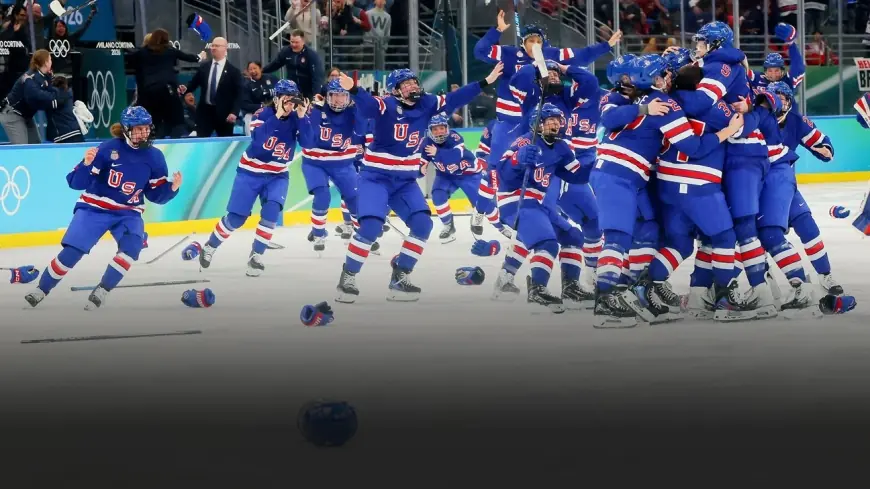
Megan Keller's 3-on-3 overtime goal completed a 2-1 comeback that captured Olympic gold for the United States in Milan, a finish that began when hilary knight deflected a crucial game-tying shot with the goalie pulled late in the third period. The result capped an Olympic run defined by stingy defense, standout goaltending and a veteran leader leaving on a historic high.
Hilary Knight's record-setting finale
The captain's third-period redirection came with 2: 04 remaining after Laila Edwards fired a shot from the point with the net empty. That tally pushed Knight into sole possession of the U. S. Olympic career records for goals and points, moving her to 15 goals and 33 points across her Olympic appearances. It was also the finishing note to what she announced would be her final Olympics, a milestone that added emotional weight to the victory.
Knight's tying goal rekindled a U. S. attack that had struggled to convert in regulation, and it set the stage for overtime where the decisive play unfolded. Teammates called the moment fitting for Knight, framing her late-game impact as emblematic of her career-long habit of producing in big moments.
Megan Keller's overtime heroics and the defensive foundation
The golden goal materialized four minutes into the frantic 3-on-3 period when a length-of-the-ice pass found Megan Keller in stride. Keller eluded a Canadian defender and beat the goaltender to seal a 2-1 victory. Observers singled out the move as technically impressive and timely under pressure.
That decisive offensive play was built on a tournament-long defensive identity. The U. S. allowed only two goals in the event, tying previous low marks for fewest goals conceded by a women's side in a single Olympics. Goaltending was central to that stinginess: the U. S. netminder made 30 saves in the final, finished the tournament with an exceptional. 980 save percentage and became the first goalie in Olympic history to record three shutouts in one tournament.
Youth hockey and the ripple effects of a gold-medal rally
The comeback and the personal milestones are already resonating beyond the Olympic stage. A youth hockey coach and his team publicly reacted to the gold-medal win, highlighting how this U. S. squad's resilience can serve as a template for younger players. Within the roster itself, the blend of veterans and younger contributors was underscored by anecdotes of younger teammates having childhood photos with Hilary Knight, illustrating a passing-of-the-torch dynamic that accompanied the victory.
The game narrative — an early Canadian short-handed goal, a late Knight equalizer, and Keller's overtime finish — offers multiple teachable moments for developing players: the impact of composure under pressure, the payoff of defensive commitment, and the value of calculated risk in sudden-death play.
What this win means and what comes next
The U. S. title in Milan combined historic individual achievement with collective execution. Knight left as the most decorated player in U. S. women's Olympic hockey history, earning a second gold in what was described as her fifth Olympic appearance. The tournament's low goals-against total and the goalie’s record-setting shutouts highlighted a program that married veteran leadership with disciplined defensive systems.
For the players who provided the key moments — the veteran who tied the game and the defenseman who finished it — the gold medal is both an endpoint and a springboard. Teammates celebrated the result as a culmination of preparation and shared belief, while observers working with youth teams pointed to the victory as a source of inspiration for the next generation of American players.
Details of celebrations and immediate next steps for individuals were not fully outlined, and some personal announcements surrounding this final Olympic chapter were noted as recent developments. Those particulars may evolve as players and staff move forward from the Games.